


Gears of War: E-Day: What Critics Think
18 professional reviews · press coverage through October 1, 2026
Gears of War: E-Day is easiest to recommend to people who want to fight alongside Marcus and Dom again. Shooting is the most widely praised part of these reviews, and watching a city fall makes the invasion more immediate than another account of something that happened years ago. The trouble comes between battles: exploration, travel and side activities can take the momentum out of the campaign. That is where critics really split, alongside the question of how much this trip into the past adds to the series.
Consensus map
Where critics agree and disagree
The campaign’s strengths and the reservations that matter most.
Weapons and movement earn strong praise.
Some awkward cover transitions; the old run is missed.
TakeawayThe strongest reason to come back.
Rescues and details give Kalona life.
Travel and repetition slow the campaign.
TakeawayThe compromise that matters most.
The collapse and Marcus–Dom bond connect.
The prequel reveals too little that is new.
TakeawayStronger as a tragedy you experience.
Several tests report good performance.
Bugs and squad rescues produce different experiences.
TakeawaySome caution is warranted, especially when playing alone.
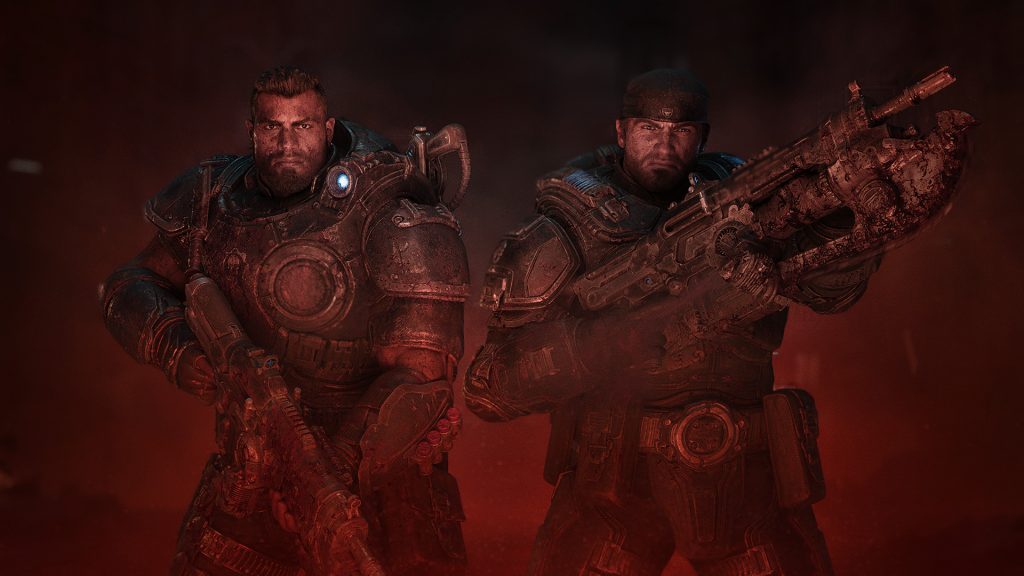
Once the shooting starts, Gears still knows what to do
The clearest point is also the simplest: several reviewers who dislike the campaign still have a great time when a firefight starts. You press against cover, find your opening, nail the active reload and feel the shot connect. Gaming Nexus describes the series’ best combat when the game sticks to that approach. GameSpot likes the impact of its weapons and the brutality of its fights, while even Gamekult, which rejects much of the adventure, praises the effectiveness of the cover system. That foundation holds up. Most of the disagreement concerns what the campaign builds around it, rather than whether shooting a Locust is still satisfying.
E-Day also tackles something that could make Gears feel stiff: moving around. Jumps, slides and transitions between cover give you more freedom to reposition. Lower pieces of cover change how the character shelters behind them, and encounters can make better use of height and distance. PPE.pl appreciates the balance between smoother movement and a soldier who still feels heavy. GRYOnline.pl finds movement particularly successful with a mouse and keyboard; Sirus Gaming sees the new options as a practical help when escaping enemy fire. You still recognize Gears, but have more ways to get yourself out of a fight that is going wrong, without simply waiting for the next opening.
There is still some friction. PLAY3.DE finds certain transitions imprecise, and ACG reports cover that holds onto the character more than expected. Losing the low, swaying camera of the old roadie run particularly bothers people who see it as part of the series’ identity. Gamekult also questions how this new agility fits with games set later in the timeline. That is an understandable concern about continuity, but descriptions of actually using the movement system praise the extra freedom much more often than they reject it. Combat comes out of this comparison well: it is familiar, yet the changes affect what you do with the controls, rather than only what appears on screen.
Critical breakdown
Combat and movementSpazioGames · GameSource · Gameswelt · GRYOnline.pl · PPE.pl · GameBlast · Gaming Nexus · MeriStation · Inven · Pure Xbox · Sirus Gaming · RageQuit.GR · Oyungezer
Kalona gives the war a face, but can break your stride
After the opening, the campaign gives you more room to cross Kalona, look for equipment and take on optional activities. Familiar streets return in different states as the destruction spreads. That lets you see what is being lost: shops, homes and people who need help. For SpazioGames and Xboxygen, the detours give the city a purpose beyond delivering the next target to shoot. Inven appreciates more compact spaces and activities that fit the main route better than those in Gears 5. There is a specific reason to defend this approach: stopping can make the things you are trying to save more believable, giving the invasion a human cost between its big action scenes.
The cost is time. Gaming Nexus describes traveling on foot as a slog and finds too many missions built around reaching a point, defending it and moving on. GameSpot criticizes repeated activities and locations that interrupt the story’s momentum. Gamekult sees return trips through familiar streets and the hunt for cases as artificial padding. GRYOnline makes a particularly useful observation: the opening pulls the reviewer straight from one fight to the next, before the wider maps abruptly slow everything down. The problem is the transition from an urgent situation into stretches where that urgency seems quite happy to wait while you walk somewhere else.
Positive reviews do not erase that cost. MeriStation appreciates the improvements over Gears 5 but would prefer a tighter campaign. Gameswelt finds value in rescuing people and revisiting a changed city, while occasionally wishing for somewhere new. ACG defends the option to follow the main objectives without collecting everything, but acknowledges that hunting mods during a crisis can interrupt the pacing. Saying that these activities are optional answers only part of the criticism: you can skip them, but the arrangement of the spaces and the travel between them still shapes the campaign. Choosing the shortest route cannot automatically turn an open section into the tightly directed sequence some reviewers want.
This is where a clear judgment helps. Exploring Kalona has value: it brings the war closer and can add encounters worth taking a detour for. Yet the slowdowns are described precisely enough, including by satisfied reviewers, that they cannot be dismissed as nostalgia for old corridors. E-Day sounds more convincing when it connects a location, a threat and an immediate task; it loses momentum when you have to cross that location again to reach the next interesting part. If you want a campaign that grabs you and never lets its pace drop, the open structure is the limitation to keep most firmly in mind.
Critical breakdown
Exploration and pacingXboxygen · PPE.pl · Inven · Pure Xbox · Sirus Gaming
SpazioGames · PLAY3.DE · Gameswelt · MeriStation · RageQuit.GR · Oyungezer · ACG
Marcus and Dom connect, but the prequel has to earn the trip
Returning to Emergence Day changes the moment at which you encounter this world. Society is still collapsing, civilians are caught in their everyday lives, and soldiers have to understand the enemy emerging from underground. Marcus and Dom already carry a loss, but now face something the war they have just fought did not prepare them for. PPE.pl finds their relationship compelling; Pure Xbox appreciates the campaign’s emotion and what the new squadmates contribute. Even Gaming Nexus, which is very critical of exploration and allies, likes the story. It would be misleading to describe every less enthusiastic review as disappointed with the narrative too. The reasons for those reservations need to stay separate.
For ACG, civilians calling out for relatives and searching for shelter distinguish a war consuming the world from one everybody has already learned to live inside. RageQuit.GR emphasizes the growing desperation and the sense that safe places are running out. This is a sensible way to tell a catastrophe whose outcome is already known: involvement can come from people and moments, even without a surprise about Sera’s eventual fate. The useful question becomes how well the game lets you experience those days, rather than how successfully it conceals what happens years later. Knowing the larger outcome does not automatically make each individual loss meaningless.
GameSpot and Gamekult want more, however. For them, a good prequel should change the meaning of the later adventures, show familiar characters differently and give weight to events the series treats as important. In their readings, E-Day too often tells us things we could already imagine. Reservations about the cast are different again: Xboxygen struggles to connect with the newcomers, while GRYOnline.pl feels Mags takes too much space away from Marcus and Dom. The story therefore works best when it shows loss and brings the squad together. It is less convincing if your reason for going back has to be a discovery that changes how you understand the entire series.
Critical breakdown
Prequel and charactersSpazioGames · GameSource · PLAY3.DE · Gameswelt · GameBlast · Gaming Nexus · MeriStation · Pure Xbox · Sirus Gaming · RageQuit.GR · Oyungezer · ACG
Xboxygen · GRYOnline.pl · PPE.pl · Inven
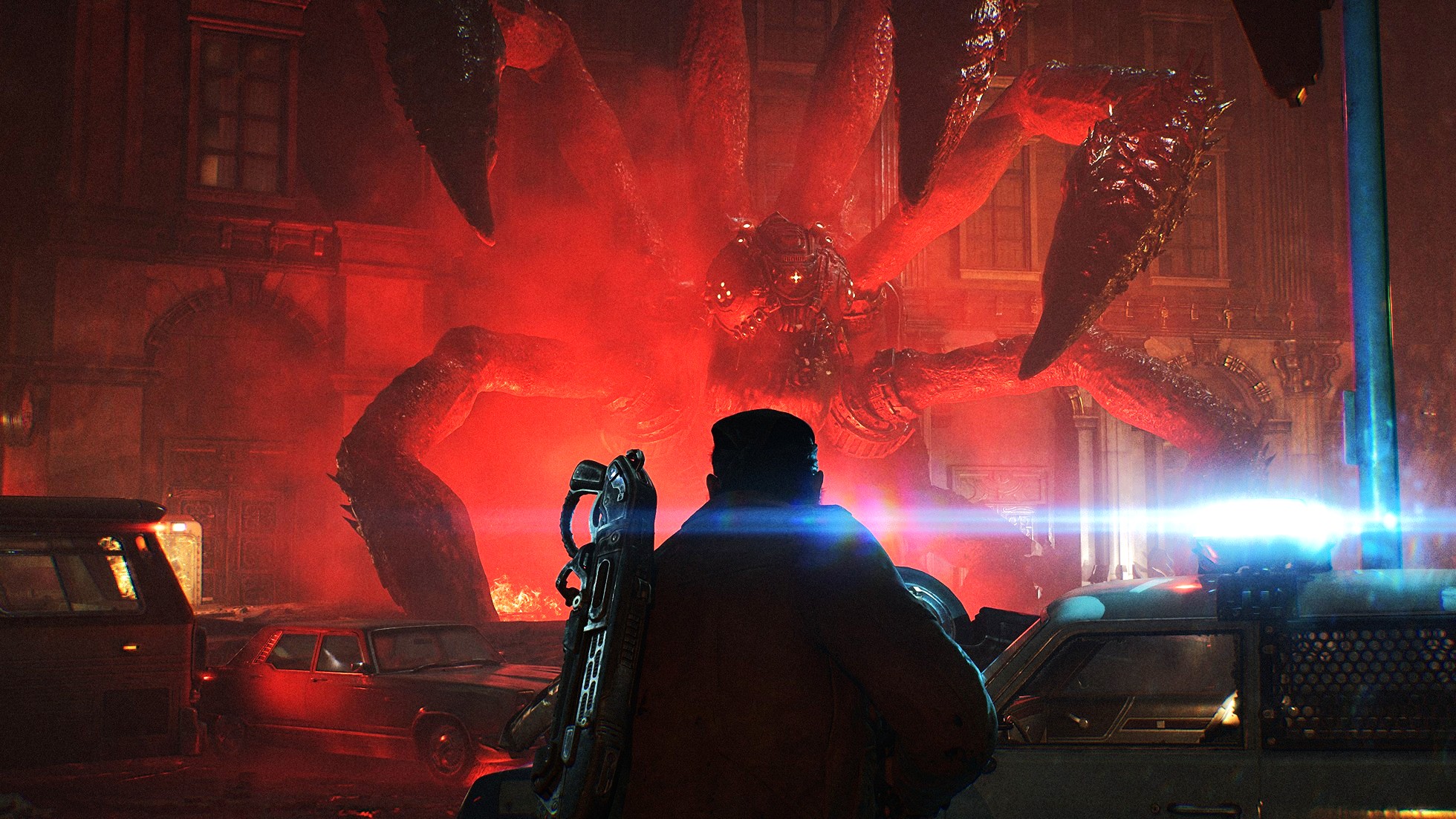
Mods add choices; large arenas can narrow them
Mods change how equipment behaves and let you build combinations that better suit your approach to fighting. Cases and certain side activities therefore offer rewards that can help in the next encounter. PLAY3.DE and Inven appreciate this customization, while GameBlast sees it as a way to adapt weapons to the player. ACG gives a clear example: a Lancer prepared for distance plays a different role from one configured for fighting closer to the enemy. These changes can make a decision interesting where previously you might simply have picked your favorite gun and held onto it as long as possible. There is a practical reason to look at the equipment instead of treating each case as another box to tick.
But a choice works when encounters let you use it. Gaming Nexus finds that wide arenas, distant shooters and targets demanding precision make the Gnasher and other short-range weapons less useful. You can enjoy a new weapon, then discover it occupies a slot you wish you had given to something with more range. RageQuit.GR also notices the usefulness of precision rifles, but points out that several enemies rush you and preserve a reason to fight up close. ACG continues to enjoy combinations that include close-range weapons. The restriction described by Gaming Nexus is specific and important, but it does not recur in the same form across every test. One reviewer’s preferred solution should not become a universal rule for the arsenal.
There is also the relationship between equipment abundance and atmosphere. Gamekult sees the constant availability of ammunition and loot as something that weakens the feeling of survival. RageQuit reaches almost the opposite conclusion about mods: they add possibilities without turning Gears into a game dominated by collecting. Customization consequently looks like a successful addition, with two limitations worth keeping separate: chasing rewards can interrupt the pace, and some situations can strongly favor one type of weapon. Neither problem justifies calling the entire arsenal useless, but both stop more equipment from being an automatic improvement. The quality of the choices matters more than how much you can collect.
Watching the city fall matters more than finding it ruined
The most important visual difference concerns what changes as you travel through Kalona. Seeing a street become unrecognizable makes the damage easier to understand than finding a ruin already waiting at the start. Gameswelt appreciates how environments tell the story of the collapse; Oyungezer values details and the stories of ordinary people. Even Gamekult praises that idea while criticizing much of the game containing it. Returning to the same locations can therefore tell you something. The complaint about reuse starts when the transformation no longer does enough to make the journey interesting. A place can be meaningful to revisit and still be visited too often.
Lighting, smoke, explosions and faces help make the catastrophe tangible. PPE.pl finds nighttime sections especially effective, but acknowledges that daylight removes some of the fear as the game returns to familiar military action. Gamekult draws a sharper distinction: Act 3, with tighter and more threatening environments, is where pacing and atmosphere finally work together for the reviewer. For ACG, sound and threats you cannot clearly see make the Locust unsettling again. That return to horror sounds convincing at its best, without maintaining the same force across the whole campaign. Expecting every section to deliver the tension of those enclosed spaces would overlook how often the adventure moves back into open warfare.
Sound earns widespread praise: gunfire, impacts and music bring energy to fights even in highly critical reviews. The problems concern other parts of listening. Gamekult criticizes dialogue balance and, alongside Xboxygen, some French performances. GameSource also reports audio issues. These need distinguishing: a weapon can sound excellent while a conversation loses clarity. Taken together, the images and sound do much more than demonstrate a technical leap. They make the disaster believable, especially when the game lets a place and a threat create tension. That strength is real even when the direction or delivery of individual scenes is less successful.
Critical breakdown
Atmosphere, visuals and soundSpazioGames · GameSource · Gameswelt · GRYOnline.pl · GameBlast · GameSpot · Gaming Nexus · MeriStation · Pure Xbox · Sirus Gaming · RageQuit.GR · Oyungezer · ACG
Playing alone: squadmates do not give everyone the same experience
The strongest complaint about squadmates comes from Gaming Nexus. Nathan Carter describes missed rescues when there seemed to be time to help, an enemy holding him while the squad stayed passive, and a finale made frustrating because nobody revived him. His conclusion that the campaign would be better with friends follows from those problems. For anyone planning to play alone, that is a serious reservation: losing because you chose a bad position is different from losing while waiting for help the game has taught you to consider part of combat. Reliable squad support matters particularly when an encounter demands another character’s intervention.
Yet GRYOnline.pl describes allies responding quickly in general, with one incident where Dom became stuck. RageQuit.GR finds the bots useful for survival. Xboxygen and Inven report more noticeable limitations. The experiences remain different, and the reviews do not establish whether situations, difficulty or test versions explain the gap. Enemy AI also receives varied assessments: some descriptions praise flanking and pressure, while others find capable maneuvers alternating with passive moments. Co-op can add coordination, but it should not become the compulsory answer to someone who wants a good solo campaign. These accounts justify caution about squad reliability, rather than a claim that every solo playthrough will fail in the same way.
On the technical side, Sirus Gaming reports Xbox crashes, GameSource encounters cinematic problems, and other sources describe stuttering or occasional drops. There are also tests with good performance: these reports do not demonstrate one shared problem on every machine. The official September 30 notes announce general stability improvements and list possible memory issues when playing through the whole campaign without restarting or reloading. The notes are presented mainly in the context of changes from the multiplayer beta to launch; they do not confirm that every problem described in reviews has been fixed. The concerns discussed here remain attributed to the tested versions. Reliability deserves attention without turning one negative experience into a description of everybody’s game.
Critical breakdown
AI and technical reliabilityGameSource · Gameswelt · GRYOnline.pl · PPE.pl · GameBlast · Inven · Pure Xbox · Sirus Gaming · RageQuit.GR · Oyungezer · ACG