The Blood of Dawnwalker: What Critics Think
17 international reviews · post-launch context through 8 September 2026
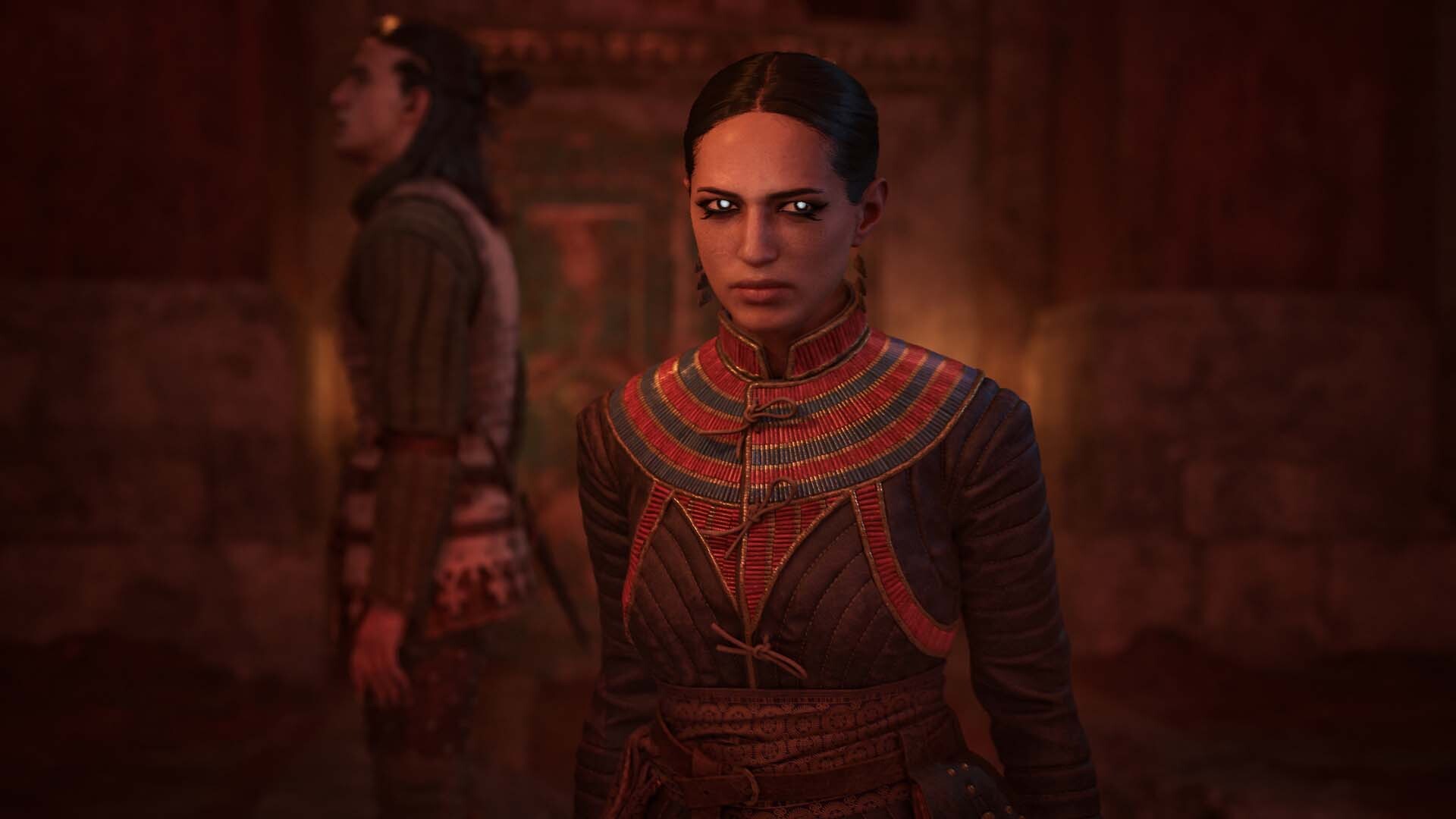
The Blood of Dawnwalker earns its strongest consensus not by escaping its Witcher lineage, but by giving familiar open-world RPG foundations a genuinely different source of pressure. Its 30-day structure, interlocking quests, morally compromised characters, and human-vampire duality create an unusually coherent role-playing framework. The disagreement begins with how far Rebel Wolves actually pushes those ideas: some critics see the time limit and two-sided protagonist as defining systems, while others find the game surprisingly reluctant to let its most dangerous concepts produce equally dangerous consequences.
Consensus map
Where critics converge — and where they split
| Aspect | Consensus | Dissent / Weight |
|---|---|---|
| Quest writing | One of the game’s clearest strengths: layered, morally ambiguous, and unusually consistent across major and minor stories. | Some open-world activities surrounding the strongest quests are much more conventional. |
| 30-day structure | A distinctive system that forces prioritisation and makes a single playthrough deliberately incomplete. | For some critics it creates excellent pressure; for others it is generous enough to blunt its own premise. |
| Choices and consequences | Narrative decisions regularly alter quests, relationships, outcomes, and the path through the campaign. | Systemic reactions to vampirism and some apparent branches are less radical than the narrative reactivity suggests. |
| Human / vampire duality | Day and night meaningfully change traversal, abilities, resources, and available approaches. | Critics disagree on whether this becomes a truly deep role-playing divide or mainly two effective gameplay toolsets. |
| Combat | Directional defence has a real learning curve and can become highly satisfying once mastered. | Group fights, camera behaviour, repetition, and general control feel are recurring sources of criticism. |
| Open world | Vale Sangora is visually distinctive and contains substantial narrative discovery. | Enemy repetition and familiar activities increasingly expose the conventional structure underneath. |
| Technical state | Presentation is atmospheric, but launch polish is inconsistent. | Severity varies significantly by platform, hardware, review build, and post-launch fixes. |
This is a qualitative synthesis of the arguments in the 17 selected reviews, not an average of their scores. Differences in weight describe how critics interpret the same systems and limitations.
Thirty days make time a currency, not a clock
The system that most clearly separates The Blood of Dawnwalker from conventional open-world RPGs is also the one critics interpret most differently. Coen has thirty days and nights to deal with the fate of his family, but the game does not run a real-time countdown while the player explores. Time advances through consequential actions: progressing quests, learning certain abilities, committing to conversations, or otherwise choosing to spend a finite resource.
IGN, Spider’s Web, SpazioGames, and ACG treat that arrangement as one of Rebel Wolves’ best ideas. The important effect is not constant panic but prioritisation: helping one person, learning one ability, or following one thread means accepting that something else may remain unresolved.
ACG’s reading is particularly useful because it connects the timer to the emotional construction of the whole valley. The same approaching deadline hangs over Coen and the people around him: plague, blood taxation, executions, and fear of the vampire regime give unrelated NPCs a shared psychological context. In that interpretation, time is not merely a scheduling mechanic but part of the worldbuilding, making even small stories feel as though they belong to the same crisis.
PC Gamer and AUTOMATON China are more cautious. Both recognise the idea but find the standard experience generous enough that its supposed danger can recede once the system is understood. GamesRadar+ goes further: its objection is almost the inverse of the usual complaint about timers, arguing that Dawnwalker would be more interesting if its restrictions were harsher and its consequences messier.
This is why the critical divide is more precise than “timer good” versus “timer bad.” The real question is whether the system succeeds because it creates the feeling of scarcity, or falls short because an experienced player can often manage that scarcity without facing the kind of irreversible loss suggested by the premise.
The valley is held together by stories more than activities
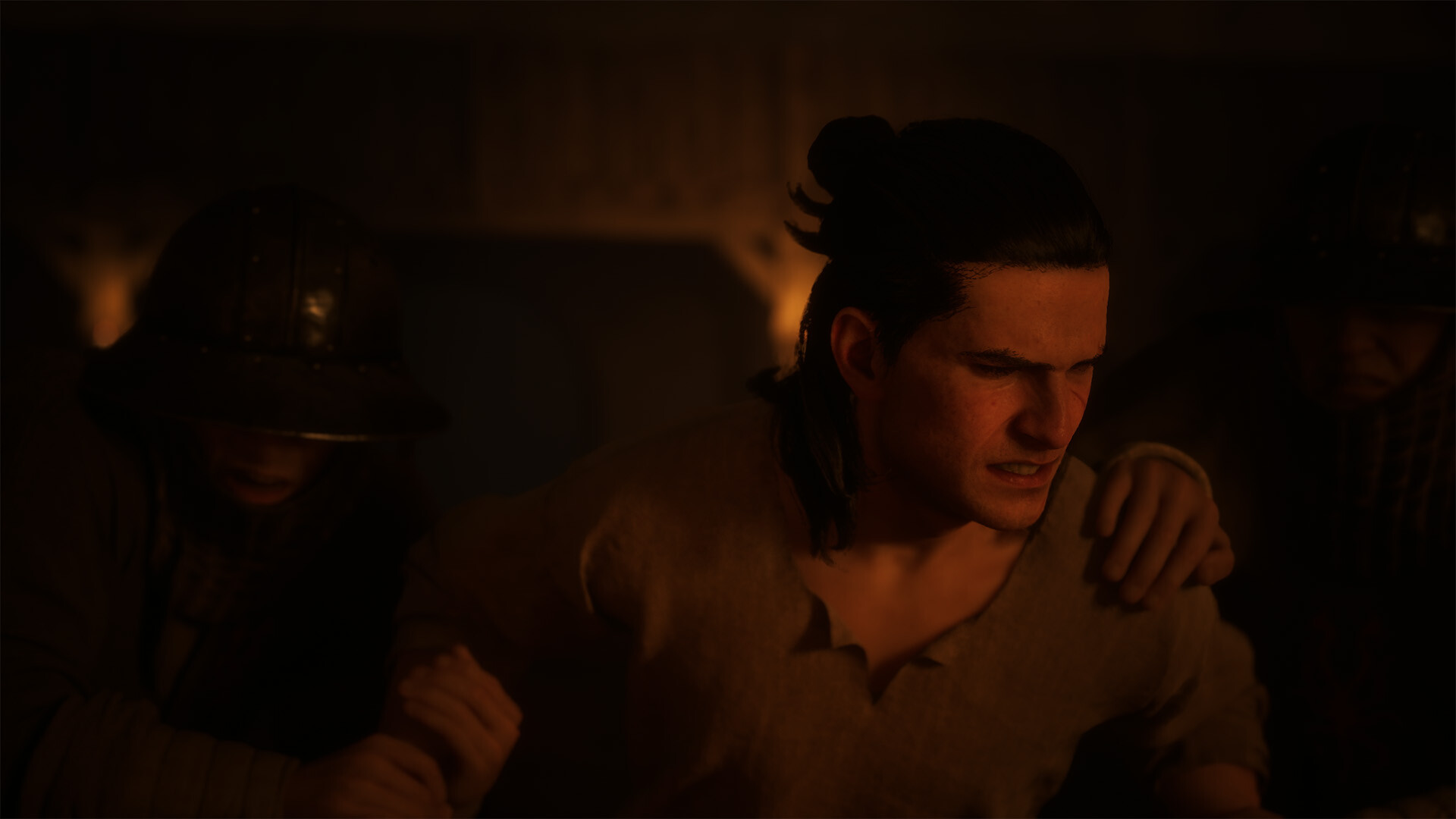
Quest writing is the most stable positive consensus in the review set. GameSpot is struck by how much narrative work Rebel Wolves puts into an unusually large number of quests: even stories that initially appear incidental can develop consequences, tragedy, or connections that make them feel more substantial than their place on the map suggests. GRYOnline.pl reaches a similar conclusion, describing the strongest material as capable of approaching the narrative quality associated with The Witcher 3.
ACG goes further into how those quests are constructed. Some apparently completed stories reveal a second movement after the expected resolution, reframing motivations or changing the meaning of what Coen has just done. That structure matters because it discourages the assumption that a quest is merely a transaction between objective and reward. Characters may continue to act, suffer, or expose information after the player believes the problem has been solved.
Tom’s Hardware Italia identifies writing, meaningful choices, and worldbuilding as the game’s strongest qualities, while ActuGaming similarly praises characters and consequences. Even GamesRadar+, the clearest negative outlier in the corpus, is more critical of how the game operationalises its ideas than of the folklore and dramatic potential underlying them.
The qualification comes from the material between those narrative peaks. GRYOnline.pl describes the search for strong stories as digging for valuable material through repetitive open-world content, while GamePro finds the open-world framework too formulaic despite praising its storytelling. Dawnwalker therefore produces an unusual contrast: the individual stories often resist checklist design better than the map containing them does.
Choice is more radical in the story than in the simulation
The Blood of Dawnwalker repeatedly offers different routes through quests, allows characters to survive or disappear, and accepts that a single playthrough will leave significant material unresolved. IGN is particularly enthusiastic about the resulting replayability, while GameSpot sees the impossibility of consuming every quest as part of the point: each campaign becomes a constructed version of the larger story rather than a completionist tour through all available content.
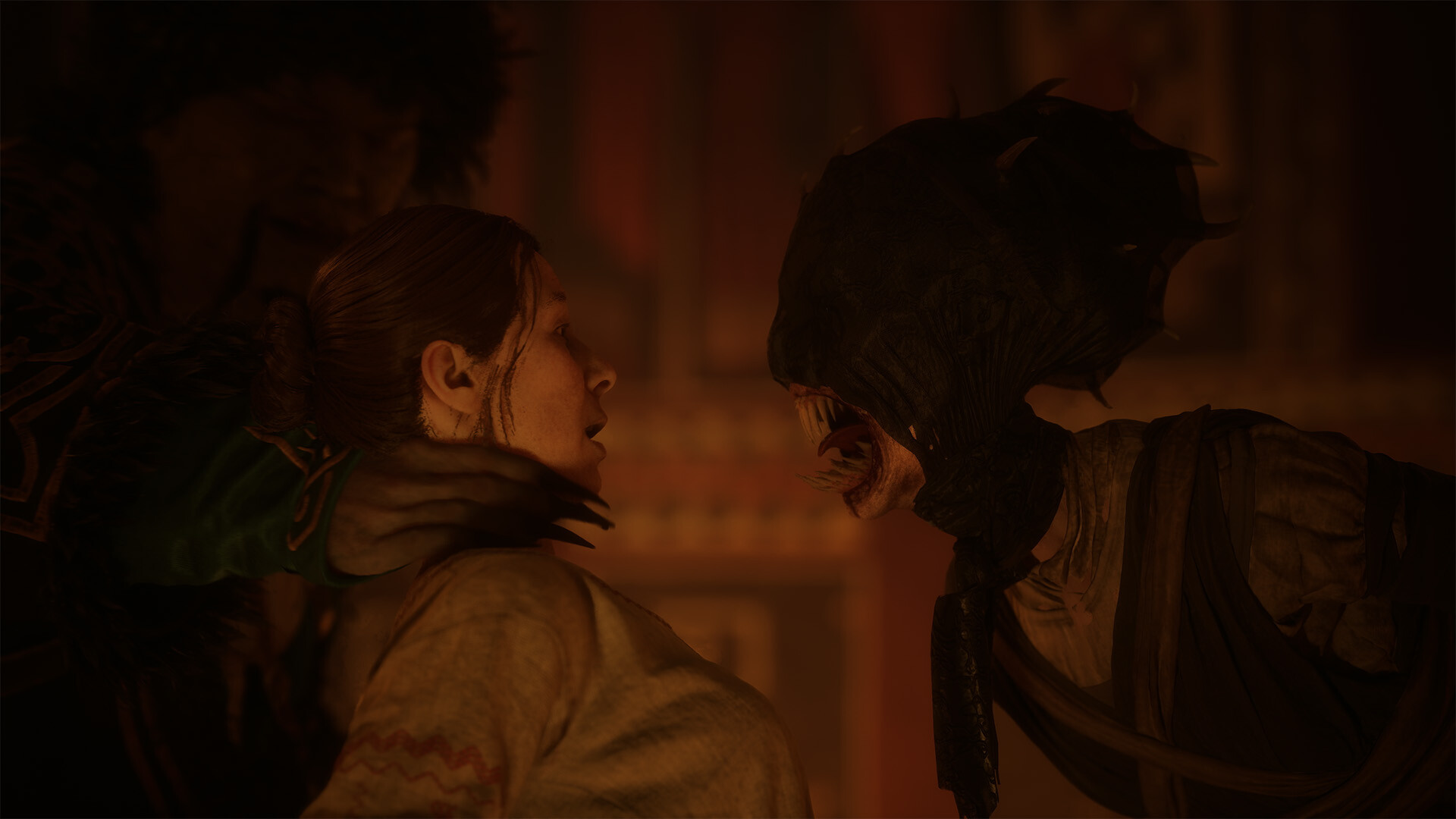
That does not mean every system reacts with the same depth. ShowGamer argues that the world could respond much more strongly to Coen behaving as a bloodthirsty vampire. GameSpot makes a related criticism of hunger: the possibility of losing control is dramatically interesting, but the game provides enough safeguards that players can often avoid confronting its ugliest consequences. Spider’s Web also identifies moments where apparent choice turns out to be narrower than the presentation initially suggests.
The distinction is therefore important. Dawnwalker is highly reactive as a narrative RPG — quests, people, information, and outcomes can change substantially — but it is not equally radical as a simulation of vampiric behaviour. The player can inhabit a monster mechanically more freely than the surrounding world always knows how to recognise that monstrosity.
Human by day, vampire by night — but how different are the two lives?
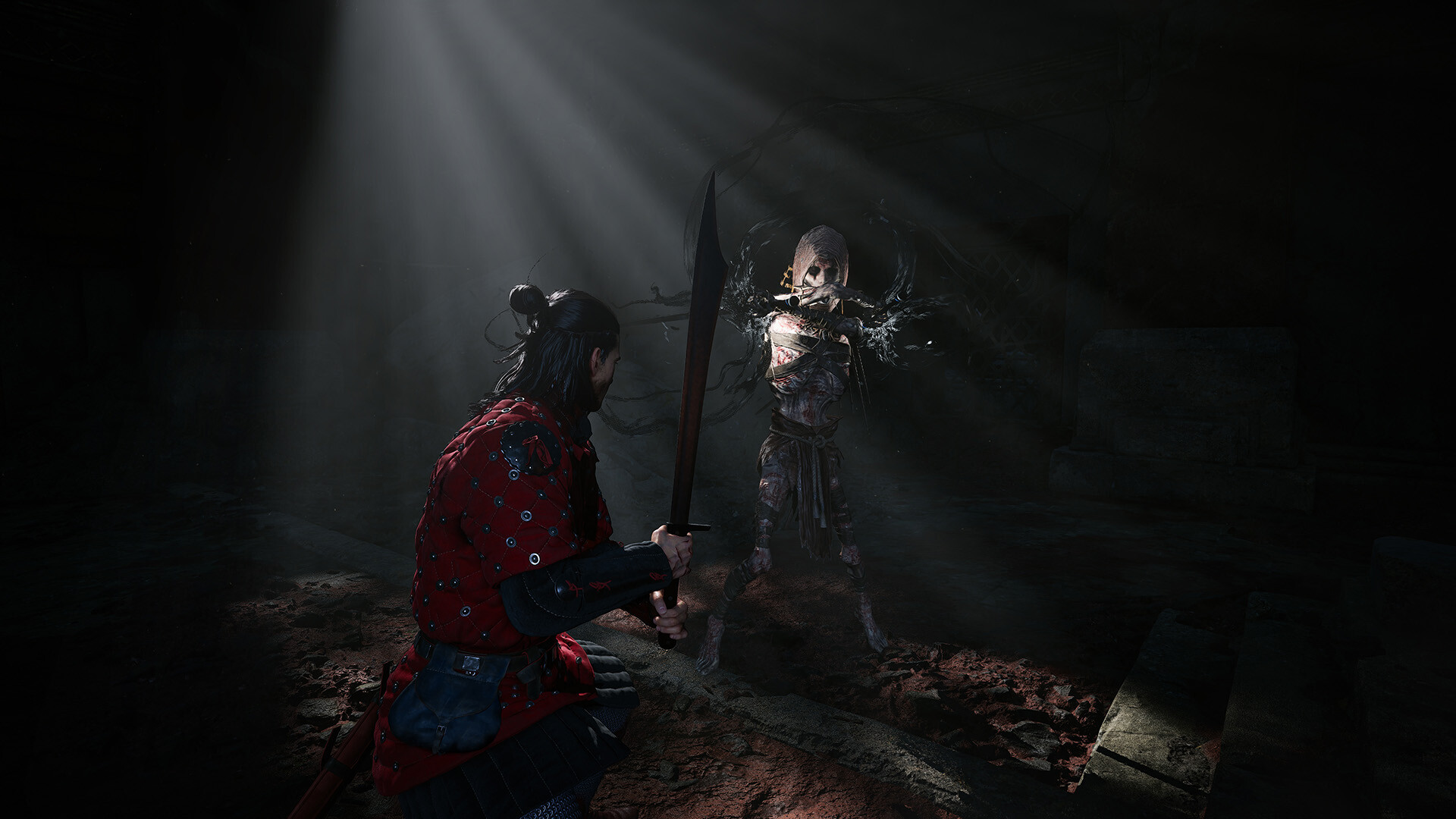
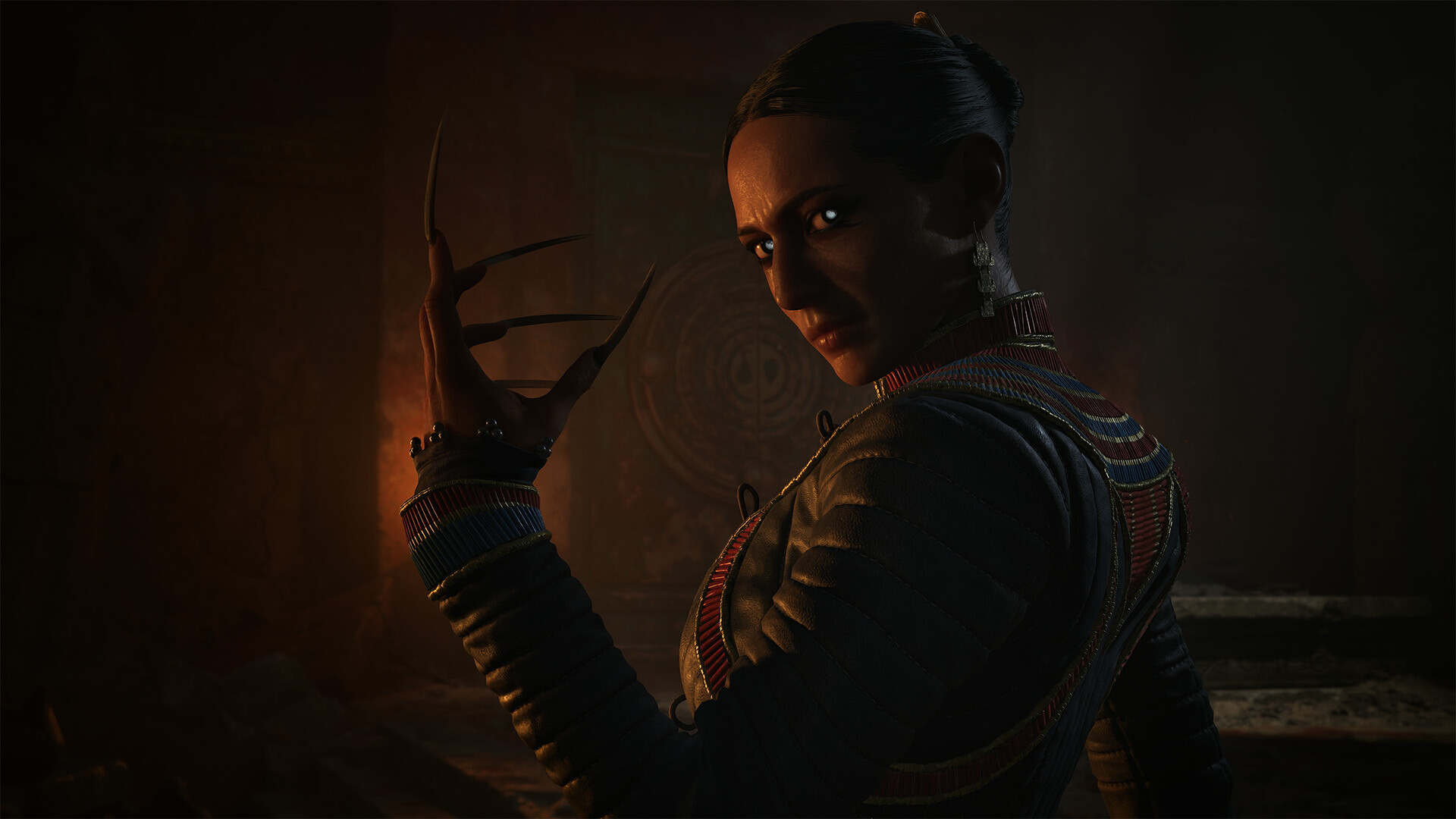
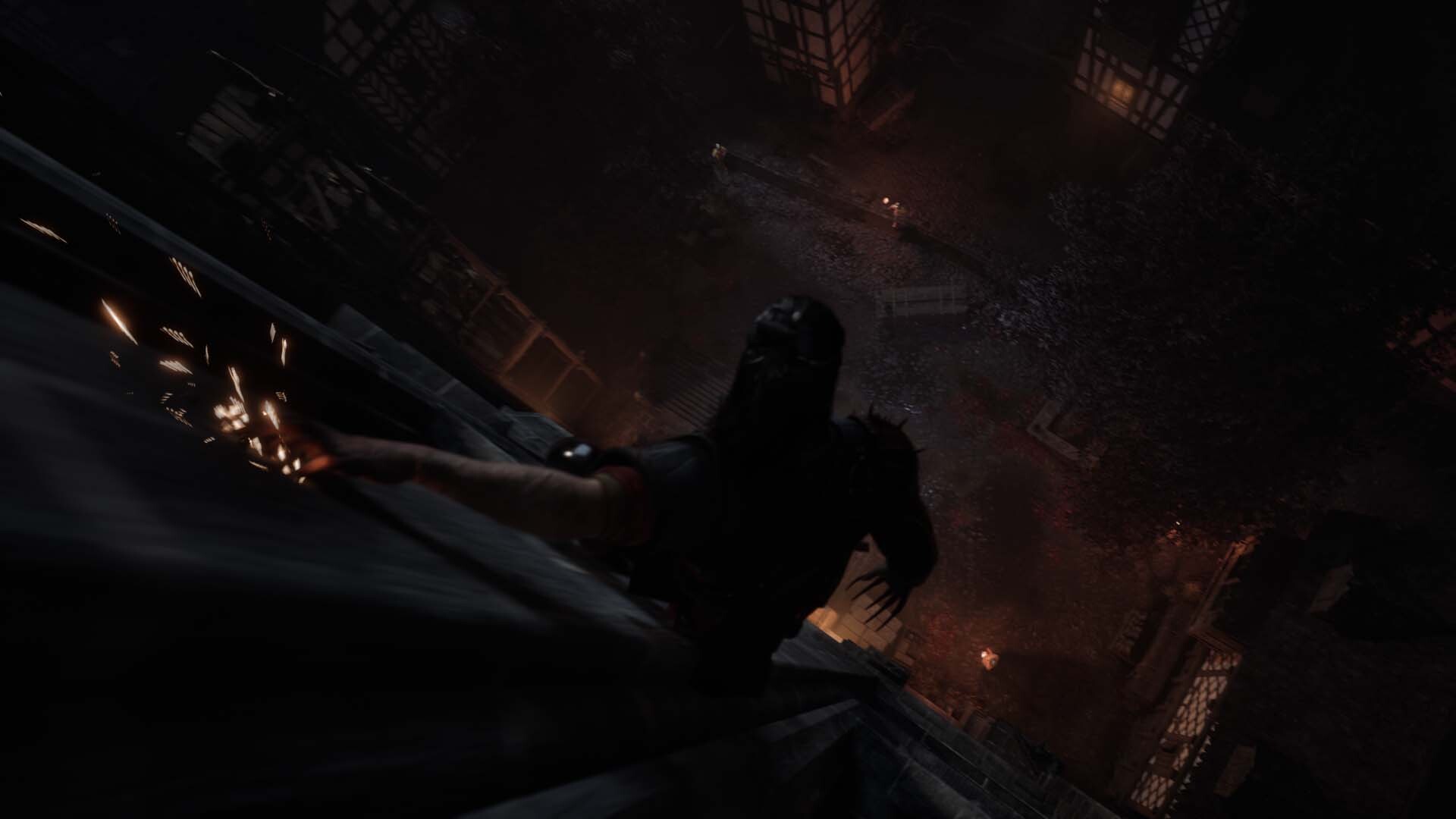
The day/night divide changes more than Coen’s appearance. Human combat revolves around swordsmanship, directional defence, witchcraft, and access to spaces where openly vampiric behaviour would be impossible. Night opens supernatural traversal, feeding, claws, rapid movement, and abilities that can turn the same location into a different problem. Wanuxi, IGN, and ACG all give substantial weight to this duality.
ACG describes the division less as two combat stances than as two lifestyles. Healing resources, stealth, mobility, feeding, traversal, and the kinds of risks Coen can take change with the sun. IGN arrives at a similar conclusion through buildcraft, finding enough mechanical separation to justify treating the human and vampire forms as different configurations rather than one character with a night-time bonus set.
GAMERGEN is less convinced that the combat difference runs as deep as the premise implies, while GamesRadar+ is more dissatisfied with the role-playing consequences of being a vampire than with the raw number of powers. This creates another recurring Dawnwalker pattern: the mechanical concept is clearly present, but critics disagree on whether it produces enough behavioural and moral transformation around the player.
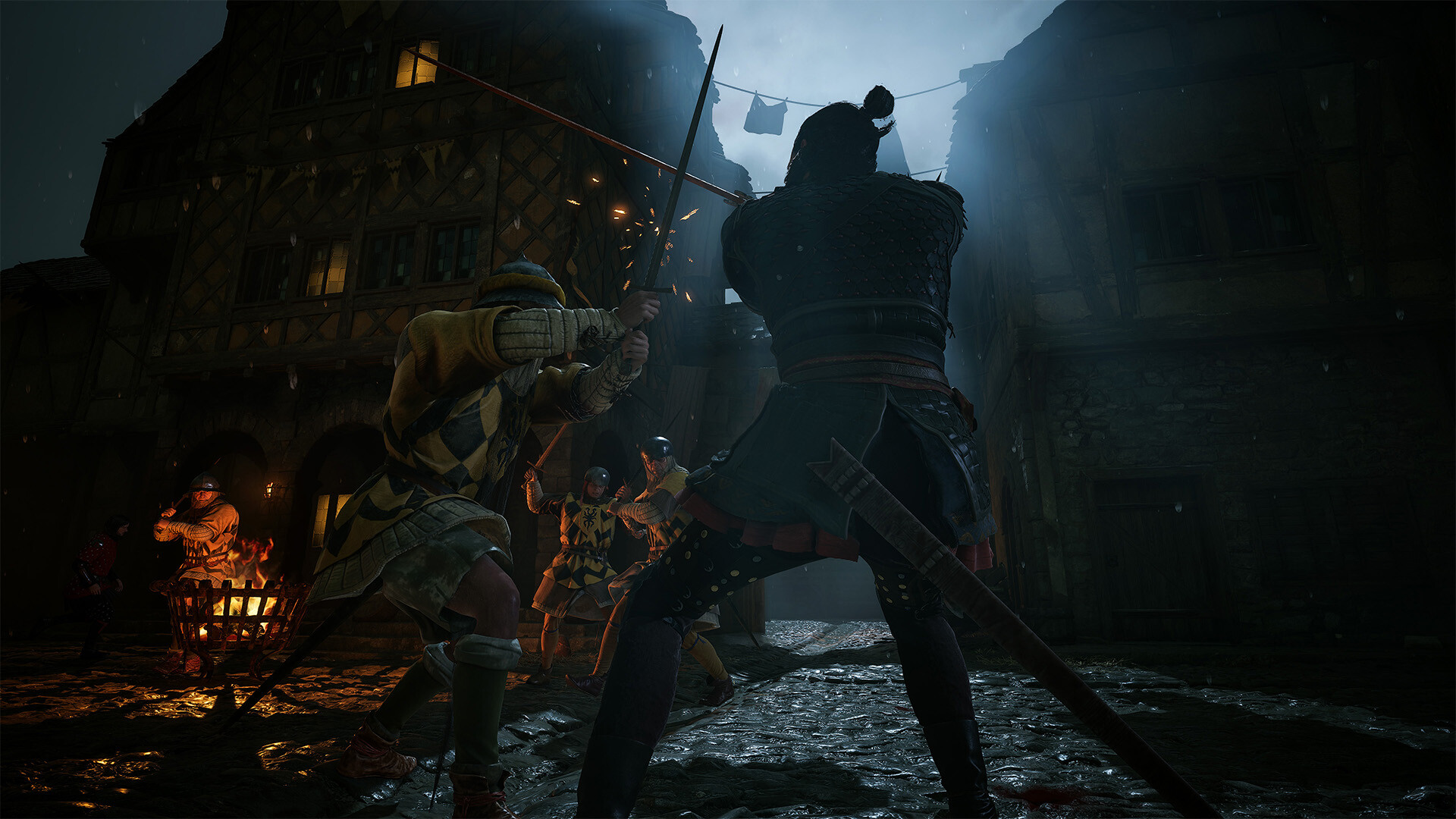
The directional combat system itself follows the same curve. ACG, IGN, GamePro, AUTOMATON China, and IGM describe an initially demanding rhythm that becomes more satisfying as directional blocks and attack reads become instinctive. SpazioGames also considers combat a strength, particularly when the encounter remains legible.
Tom’s Hardware Italia is considerably harsher, calling the combat one of the game’s main weaknesses, and several otherwise positive sources converge on the same failure conditions: groups of enemies make the directional system harder to read, the camera can interfere, some animations feel clumsy, and repeated opponents gradually expose a narrower set of interactions than the skill trees initially promise.
A handcrafted world with increasingly visible repetition
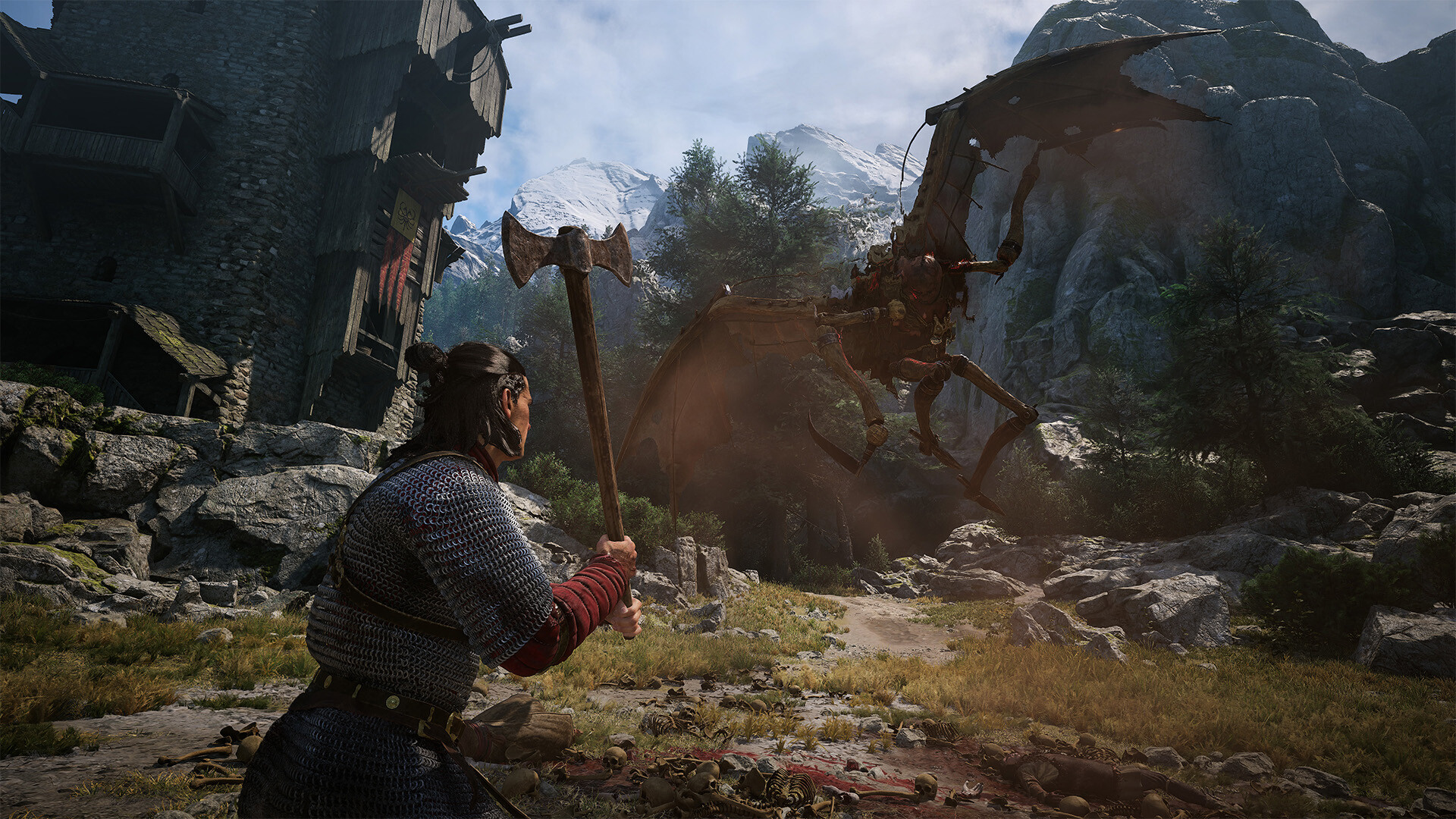
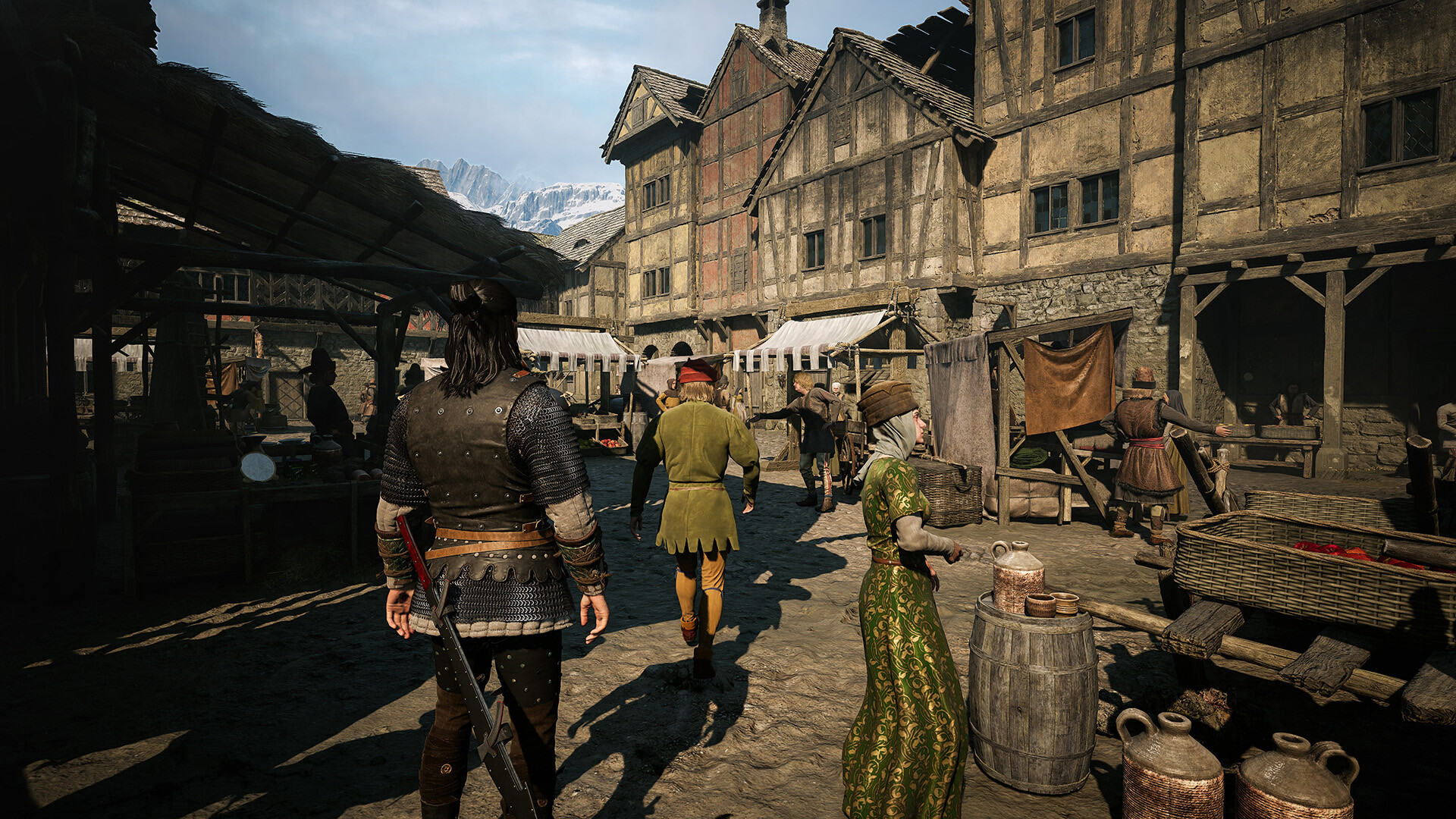
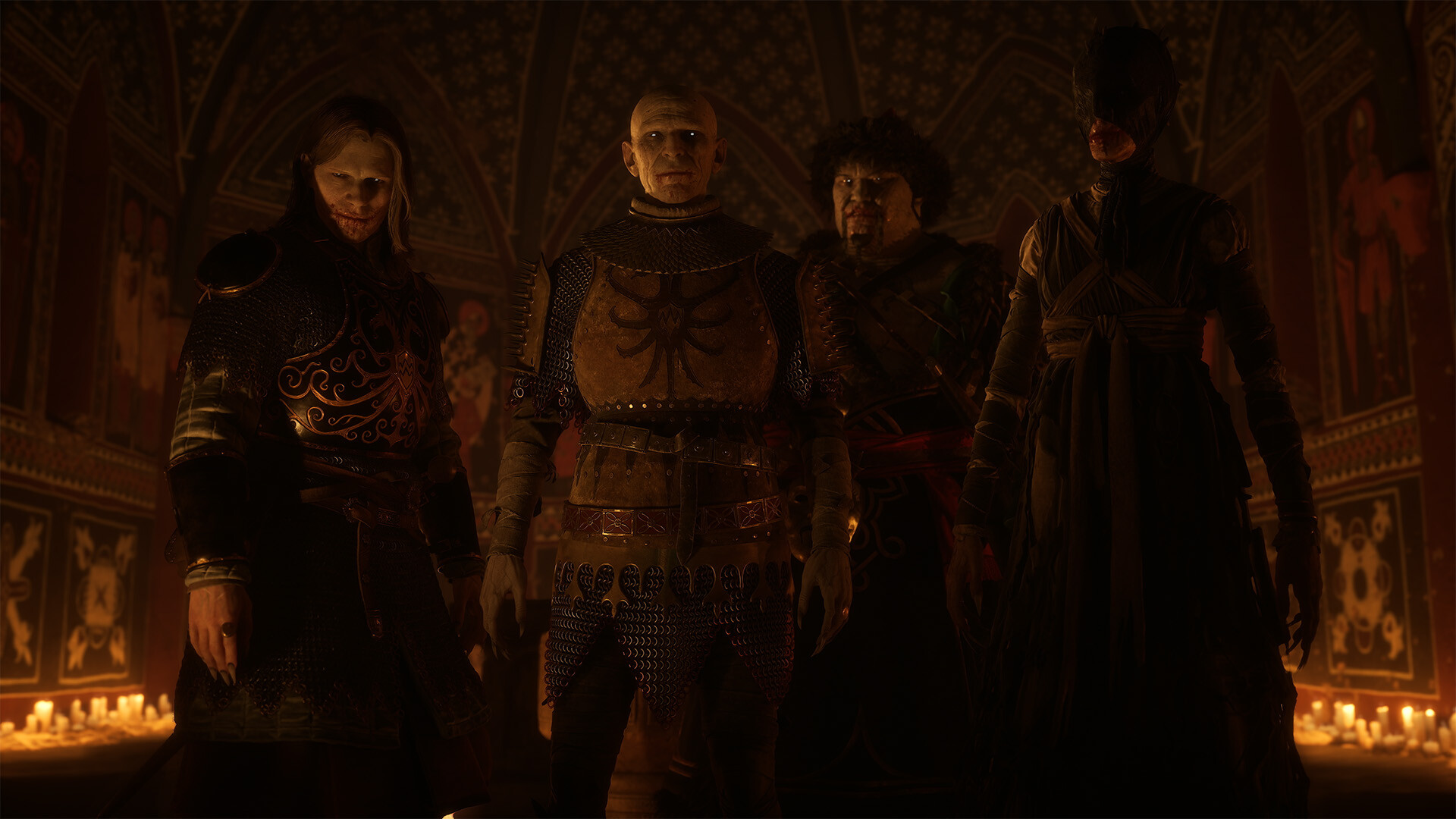
Vale Sangora benefits from being smaller and more concentrated than many contemporary open worlds. Forests, settlements, swamps, mountains, ruins, and interiors establish a coherent medieval geography, and critics frequently praise the pleasure of discovering narrative material without the world becoming a vast empty landscape. ACG is especially positive about how naturally the environments fit together, while GameSpot and ActuGaming value the amount of meaningful story material distributed through them.
The problem is sustainability. AUTOMATON China finds the world noticeably less dense and surprising in its later stages, with familiar animals, bandits, and random events returning often enough to weaken the initial impression. GamePro criticises the formula underneath the exploration, and GRYOnline.pl similarly sees conventional activities separating the player from much better narrative content.
GameStar focuses its strongest criticism on the second half, where balancing becomes a larger issue than it was during the opening. The exact emphasis varies by outlet — enemy variety, activity design, balance, or reduced density — but several markets converge on the idea that Dawnwalker’s world reveals more repetition the longer it has to sustain its initial promise.
This does not erase the value of exploration. It changes what exploration is best at. The strongest rewards are often not resources, map completion, or systemic surprises, but stories: another compromised character, an unexpected continuation of a quest, a choice that becomes more uncomfortable after new information arrives. The open world is therefore most convincing when it behaves as connective tissue for narrative rather than as a catalogue of repeatable activities.
Atmosphere is confident; launch polish is not
Visual and audio direction receive considerably more consistent praise than technical execution. ACG highlights the contrast between castle walls, swamps, moonlit fields, ritual spaces, and more peaceful wilderness, while giving particular credit to the moments when macabre, regionally inflected music pushes Dawnwalker away from being merely “Witcher-adjacent.” Voice performances also improve his impression of characters that initially seem less distinctive, especially during the story’s most desperate scenes.
Technical reports are harder to generalise because the review conditions differ. ActuGaming explicitly tested a build from before the day-one patch and encountered enough bugs to make technical polish one of its principal reservations. GamePro tested PS5 modes that were still changing around the embargo period and notes that several smaller issues had already been patched. IGM reports a comparatively manageable experience, while ShowGamer describes major PC performance drops as the most serious weakness in an otherwise highly positive review.
ACG provides another useful PC data point: on a very high-end system he generally saw strong performance but still encountered unexpected drops and micro-stutter, particularly around some cutscenes. He also criticises uneven face detail, awkward traversal transitions, and animation work that can make supernatural movement look less graceful than intended. These observations align with the broader critical distinction between strong art direction and inconsistent execution.
The current post-launch state already differs slightly from the review builds. Rebel Wolves’ official Hotfix 1.0.2, released on 4 September for PC, PlayStation 5, and Xbox Series X|S, fixes several quest problems and adjusts controller dead zones and sprint input on PC. At the same time, the developer still lists stuttering in Windowed/Borderless mode, shader-compilation crashes on some PCs, and missing PS5 gamepad remapping as known issues. Launch criticism therefore should not be frozen in time, but neither can the present build be described as having solved the technical picture outright.
The Witcher inheritance matters less when Dawnwalker becomes stranger
Comparisons with The Witcher 3 are unavoidable: the studio lineage, medieval open world, morally grey quests, investigative structure, and third-person combat make the connection obvious. Yet the strongest reviews tend to become most enthusiastic precisely when Dawnwalker stops behaving like an inherited formula.
The finite calendar means that content is allowed to remain unseen. The protagonist is not merely choosing dialogue attitudes but moving between incompatible physical states. Quest chains can continue after an apparent resolution, and the need to spend time turns character progression itself into a narrative decision. These ideas are what allow the project to establish a recognisable identity despite familiar foundations.
The disagreement is therefore not really about whether Rebel Wolves has produced a Witcher imitation. The 17 reviews provide little support for that reductive reading. The more interesting question is whether this first game trusts its own inventions enough. IGN, ACG, Wanuxi, Spider’s Web, and ShowGamer largely believe that it does; PC Gamer, GameSpot, GamesRadar+, and several others admire the same ideas while wishing that time, hunger, vampirism, or systemic consequence would bite harder.
That tension explains the reception better than the numerical spread. The Blood of Dawnwalker is praised for having ideas critics want to argue about rather than merely features they can catalogue. Its roughness is real, but so is the sense that Rebel Wolves has already found the part of the RPG formula that belongs specifically to this series.