


Call of Duty: Modern Warfare 4: What Critics Think
18 campaign reviews · 12 multiplayer reviews · press coverage through October 23, 2026
Call of Duty: Modern Warfare 4 returns with three distinct experiences: a cinematic campaign moving between the Korean front and Price's personal pursuit, competitive multiplayer built around customizable weapons and new modes, and DMZ, where you complete objectives and try to extract alive with your loot. Critics especially welcome the return of carefully designed missions, weighty weapons, and a variety of content. Questions remain about map balance, matchmaking, and whether DMZ can keep every deployment exciting. These are launch assessments: the campaign can already be evaluated in full, while some multiplayer reviews draw on sessions held before the public servers opened.
Consensus map
Where Critics Agree and Disagree
The essential judgments from international reviews of the three modes.
Spectacular missions, uneven storytelling.
TakeawayThe most convincing component at launch.
Powerful weapons and less acrobatic movement.
TakeawayThe fundamentals work, but need balancing.
Good variety, with disputed respawn locations.
TakeawayKill Block is the strongest new addition.
Early concerns, often from controlled tests.
TakeawayPublic-server experience still needs scrutiny.
Progression praised, PvE and PvP still need balance.
TakeawaySolid structure, uncertain long-term outlook.
This first analysis covers professional reviews only. Multiplayer is assessed using the tests available at launch.
A Campaign That Rediscovers the Rhythm of Call of Duty
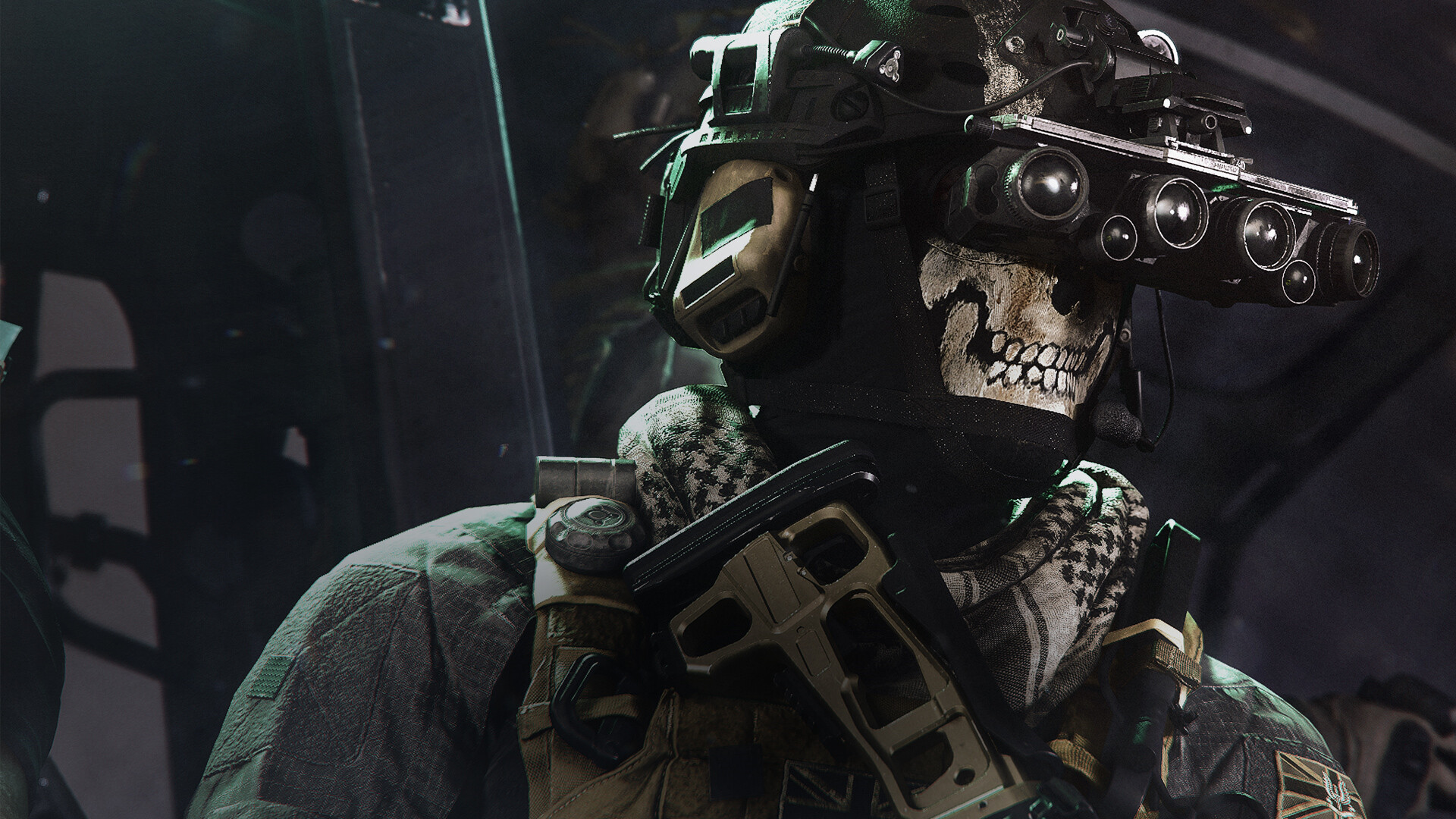
The campaign moves between the war on the Korean Peninsula and Captain Price's personal hunt for Makarov. One strand follows the young soldier Park and a group of recruits caught up in the invasion of South Korea; the other returns to Task Force 141, whose members must deal with the consequences of earlier games. It remains a tightly directed military shooter: sixteen missions featuring close-quarters engagements, infiltration, chases, and large-scale battles. The advantage is that each setting quickly changes what you're doing without trying to turn the entire campaign into one huge open world.
GamePro and CD-Action describe a convincing return to carefully staged spectacle, with hand-to-hand sequences and assaults that keep the tension high. SpazioGames and INFINITY AREA are enthusiastic about the direction, while the more measured GameSpot still considers it the strongest Modern Warfare campaign since 2019. Game Informer and The Guardian praise the range of situations, even though six to eight hours may feel short to anyone purchasing the game mainly for its story. But length isn't what holds these missions back: the available time is generally used to introduce something new rather than prolong familiar encounters.
The most debated exception is Stranded, a mission set in a snowy area where you can choose objectives, collect supplies, and follow less restrictive routes. The Guardian and Destructoid like it because it breaks up the familiar pattern of corridors and gunfights. GameStar and SpazioGames are less convinced: the additional travel weakens the narrative pressure. CD-Action also reports an unclear objective that may force players to repeat part of the mission. Freedom is useful when it changes how a fight can be approached; it is less welcome when the story loses momentum because you need to search for something.
Overall, the campaign works because it recovers something the series had lost in several recent entries: the ability to guide players through substantially different events without reducing every level to a checklist. Stranded remains an experiment that divides opinion, but it does not undo the strength of the main set pieces. For players who want a compact, cinematic campaign, this is one of the clearest reasons to return to Modern Warfare.
Critical breakdown
Campaign and MissionsGame Informer · The Guardian · Destructoid · GameSpot · Multiplayer.it · SpazioGames · Jeuxvideo.com · INFINITY AREA · PC Games · GameStar · GamePro · Vandal · PSX Brasil · Game8 · Inven · CD-Action · GRYOnline
Price, the Korean Recruits, and a Story That Cannot Give Everyone Equal Weight
The story is trying to do two things at once. It needs to conclude an arc involving characters who have been with the audience since the 2019 reboot, while introducing new soldiers important enough to carry part of the war on their own. Park and his squad work best when the conflict is shown from a less heroic perspective: fear, questionable orders, and relationships between soldiers lend the missions weight beyond their explosions. Price's storyline instead brings revenge and the consequences of his decisions to the foreground.
Game Informer likes the relationships among the Korean soldiers but feels that certain characters, including the antagonist played by Mads Mikkelsen, are underused. The Guardian reaches a similar conclusion: the adventure is entertaining, but Price's personal story loses some of its force near the end. Jeuxvideo.com finds the story effective despite fairly conventional writing. INFINITY AREA and CD-Action are more enthusiastic because they value the moments where the player must decide whether to obey morally questionable orders.
Those choices need some context. This is not a story that changes completely in response to your decisions, as PC Games makes clear: individual situations may play out differently, but most of the path remains fixed. GamePro appreciates the contrast between blockbuster spectacle and quieter personal scenes. 3DM is less satisfied with how the central characters' stories conclude, finding the resolution too rushed. Having such a large cast offers more perspectives on the conflict, but it also takes time away from relationships that needed a few additional scenes.
The plot provides a good foundation for the campaign and can be emotionally engaging. It is less successful at handling every protagonist equally: the new recruits have room to develop, while some familiar figures are brought to a conclusion too quickly. The result is a satisfying narrative overall, though less consistent than the direction supporting it.
Critical breakdown
Story and CharactersDestructoid · GameSpot · Multiplayer.it · INFINITY AREA · GameStar · GamePro · Vandal · PSX Brasil · CD-Action
Game Informer · The Guardian · SpazioGames · Jeuxvideo.com · PC Games · Game8 · Inven · 3DM · GRYOnline
Weapons and Movement: Less Acrobatics, but Multiplayer Is Still Fast
The biggest change in competitive multiplayer is how movement feels. The Omnimovement of recent Black Ops games gives way to controls closer to earlier Modern Warfare entries, with tactical sprinting, sliding, and greater emphasis on managing recoil. That doesn't make matches slow: encounters happen constantly, and a moment's exposure can be enough to lose a gunfight. What changes is the attention you must pay to your position, while weapons convey a sense of impact that many reviewers think finally matches their appearance.
PC Games compares the result with 2019's Modern Warfare and praises the recoil, time to kill, and opportunities to anticipate engagements. Jeuxvideo.com finds a successful balance between immediacy and realism. Game Informer likes the range of ways to build a weapon and the Gunny system, designed to help players choose attachments that suit their style. Game8, which also tested public launch matches, describes responsive hit feedback and clear differences among assault rifles, burst-fire weapons, sniper rifles, and shotguns.
Not everyone welcomes the change equally. Inven argues that certain weapon categories, especially sniper rifles and DMRs, hold too much of an advantage over lighter guns. The less flexible movement can make engagements more dependent on whoever already controls a strong position. 3DM appreciates changes to recoil and time to kill made after the beta, but notes that some movement restrictions remain. Much of the disagreement concerns how much weight reviewers place on raw speed compared with controlling sightlines and positioning.
The system succeeds at its primary job: guns feel distinctive, landing shots is satisfying, and movement still leaves room for aggressive plays. But it is not a neutral design. Positioning now matters more, and the advantages of certain weapon classes will need further balancing if a few efficient choices are not to crowd out the rest of the arsenal.
Critical breakdown
Gunplay and MovementGame Informer · The Guardian · Destructoid · Multiplayer.it · Jeuxvideo.com · PC Games · Vandal · PSX Brasil · Game8 · 3DM
Maps and Modes: Convincing Variety, With Some Respawn Problems
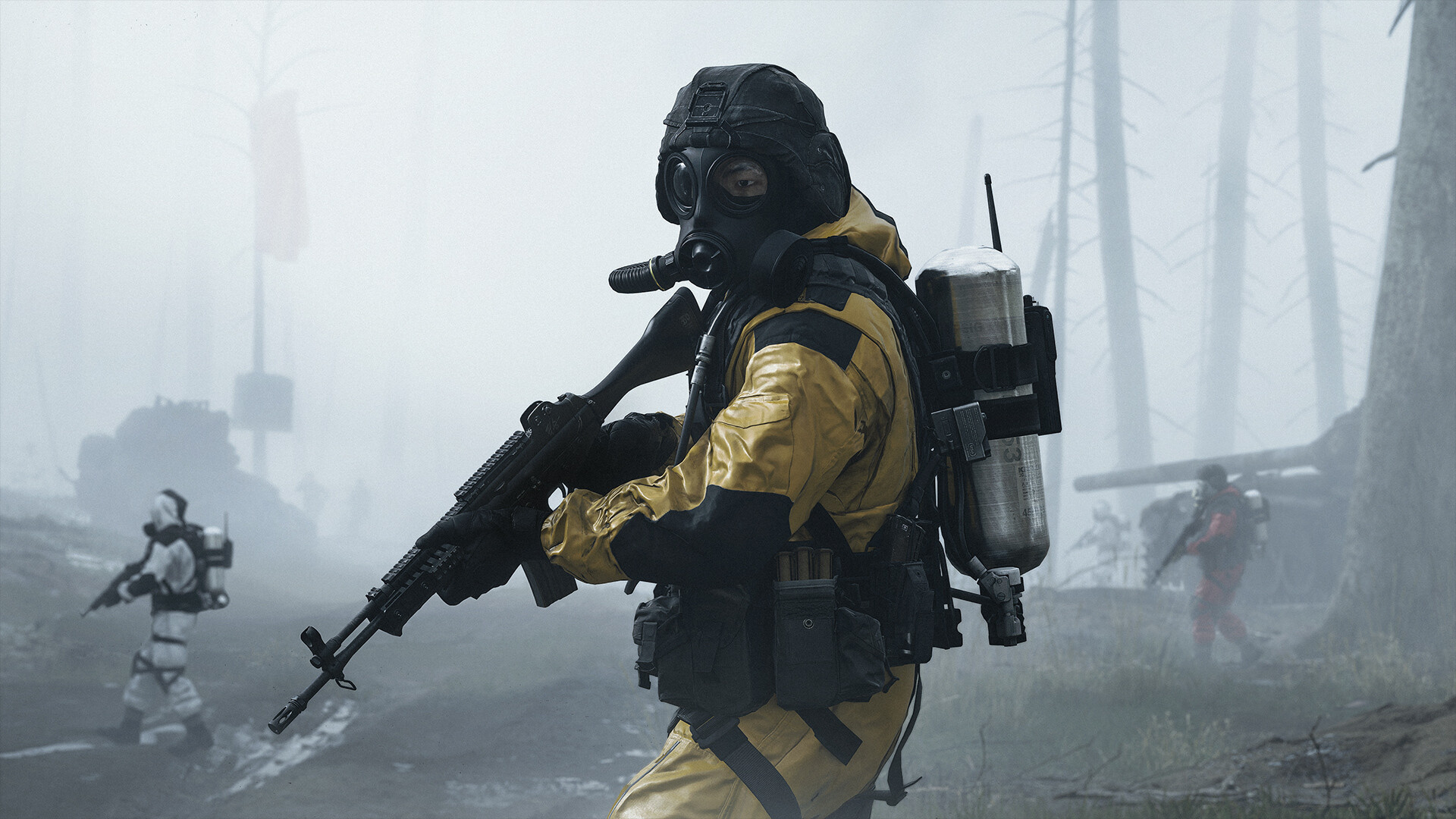
Multiplayer isn't restricted to familiar modes such as Team Deathmatch, Domination, and Kill Confirmed. There are larger engagements, different round rules, and Kill Block, a mode in which the battlefield is assembled from different sections between matches. That's a sensible idea for a series that has often relied on new weapons and maps without changing enough about the decisions made during a match. Here, at least in some modes, you need to relearn where the routes are and which positions can be held.
The Guardian sees Kill Block as one of the strongest additions: its modular spaces and shifting equipment stop players relying on the same routine every time. PC Games likes the mode and most of the map design, though it identifies Coal as a possible problem when it comes to controlling spawn areas. Game Informer praises the contrast between smaller environments such as Mumbai and Nautical and broader ones such as Reactor U92. Jeuxvideo.com and Vandal also think the launch selection provides a good variety of situations.
The downside is that a fight becomes difficult to keep fair when players respawn too close to opponents already waiting for them. Multiplayer.it thinks the new features are enjoyable without reinventing the formula; other tests flag unreliable spawns and maps that favor particular positions. Game8, however, reports that in Front Line the rotation of spawn points can get players back into action quickly and allow a losing team to turn things around. The difference may depend on the map and mode rules, not simply the skill of the other team.
The new modes offer enough ideas to justify their place, and Kill Block makes a meaningful contribution to variety. Maps are generally convincing, but spawn quality and how advantages are distributed across the space remain inconsistent. Those may be limited issues in the overall package, yet they can have a major effect on the outcome of competitive matches even when the gunplay itself feels good.
Critical breakdown
Competitive Maps and ModesGame Informer · The Guardian · Destructoid · Multiplayer.it · Jeuxvideo.com · Vandal · PSX Brasil · Game8
Matchmaking and Customization: What Launch Day Cannot Establish
Ten enjoyable matches at a press event aren't enough to judge a competitive shooter. You need to know what happens when millions of people arrive, powerful weapon combinations become common, and everyone learns how to exploit the strongest positions on each map. Modern Warfare 4 launches with extensive customization, unlockable attachments, and numerous settings for building weapons. That abundance is useful if each option offers a real advantage and trade-off; it becomes a weakness when particular parts are almost mandatory.
Game Informer appreciates being able to choose sights, stocks, ammunition, and muzzle attachments without feeling locked into a single playstyle. PC Games, by contrast, questions the Apex attachments and the possibility that continuing updates will force players to chase whichever loadout is currently dominant. Inven criticizes the balance among certain weapon types and aim assistance, while 3DM describes how adjustments between the two betas significantly changed movement and time to kill. These are specific observations, but they don't yet describe a settled competitive balance.
Then there's matchmaking. Destructoid identifies it as an open concern, PC Games notes that a session among journalists under similar conditions feels different from a public beta, and PSX Brasil reports demanding matches even for players seeking a less competitive experience. Multiplayer.it is deliberately cautious because some testing took place in a controlled environment. There is no responsible yes-or-no verdict to give on SBMM from that alone: observing public servers over time is necessary to establish how strict match assignments are and how much they affect play.
Customization is already extensive enough to count as a strength. Balance and matchmaking remain provisional judgments. It is fair to record the problems reviewers have identified, but premature to treat them as universal faults, or to declare issues solved when they may only become visible after weeks of regular play.
Critical breakdown
Balance and MatchmakingDMZ Finally Has Structure, but Its Future Depends on the Players
DMZ returns as an extraction mode separate from traditional competitive multiplayer. You enter the Hajin deployment zone alone or with a squad, gather materials, fight AI-controlled enemies, complete objectives, and decide when to attempt extraction. Other groups may cross your path, cooperate briefly, or become the greatest threat of the run. Losing means risking the equipment you brought into the area; getting out alive lets you invest your haul in the operations base and your operators' progression.
Game Informer considers DMZ much more convincing than earlier attempts thanks to its progression, gear, and the ability to plan each deployment. The Guardian notes that the base, upgrades, and dynamic events give raids a purpose beyond one long firefight. Multiplayer.it describes unpredictable situations and the thrill of extracting at the last second. PC Games likes the overall structure but remains concerned about enemy AI and whether the missions will stay engaging over time.
Jeuxvideo.com is less enthusiastic: it argues that PvE is too intrusive and reduces the tension of encounters between rival squads. Destructoid raises a different concern for the future: how much protection can people pursuing objectives and fighting environmental enemies expect without turning into constant targets for aggressive teams? PSX Brasil also points to a financial issue. DMZ is no longer a separate free mode, and certain bonuses attached to the more expensive edition might affect early progression. These questions deserve attention even when the foundation is sound.
DMZ's return looks successful because gear, rewards, and risk now have a coherent purpose. But no review based on a handful of days can settle how this mode will fare in the long run. The balance between PvE and PvP, player population, and future updates will matter more than early enthusiasm. For now, its potential is considerable, but its staying power remains unproven.
Critical breakdown
DMZ and ExtractionGame Informer · The Guardian · Multiplayer.it · Vandal · PSX Brasil · Game8 · Inven
Destructoid · Jeuxvideo.com · PC Games · 3DM