


Castlevania: Belmont's Curse: What Critics Think
19 professional reviews · press coverage through October 13, 2026
Paris is burning, monsters are everywhere, and Rose Belmont has a magical whip that lets her swing across rooftops, reach distant platforms and launch herself towards enemies. Castlevania: Belmont's Curse brings the series back with faster combat, a large world to explore and a new system built around tarot cards. We've compared what we consider the most authoritative international press reviews available when the embargo lifted. Critics largely agree that Evil Empire has made a very good action game. What divides them is whether this is one of the best Castlevanias ever made, or simply a good Metroidvania in a genre that's moved forward considerably while the series was away.
Consensus map
Where the press agrees and disagrees
The main points worth knowing before looking at the reviews in detail.
Fast, responsive and full of options.
Not every weapon feels necessary.
TakeawayThe strongest part of the game.
Rewarding secrets and environmental puzzles.
Some linear areas and awkward backtracking.
TakeawayStrong exploration with structural limits.
Demanding bosses and precise platforming.
Difficulty spikes and uneven challenges.
TakeawayGood challenges, inconsistent balance.
Familiar monsters and locations return.
Several signature mechanics have disappeared.
TakeawayA successful modernisation with trade-offs.
Striking environments and character designs.
Music and crowded visuals divide critics.
TakeawayVisually excellent; music gets mixed reactions.
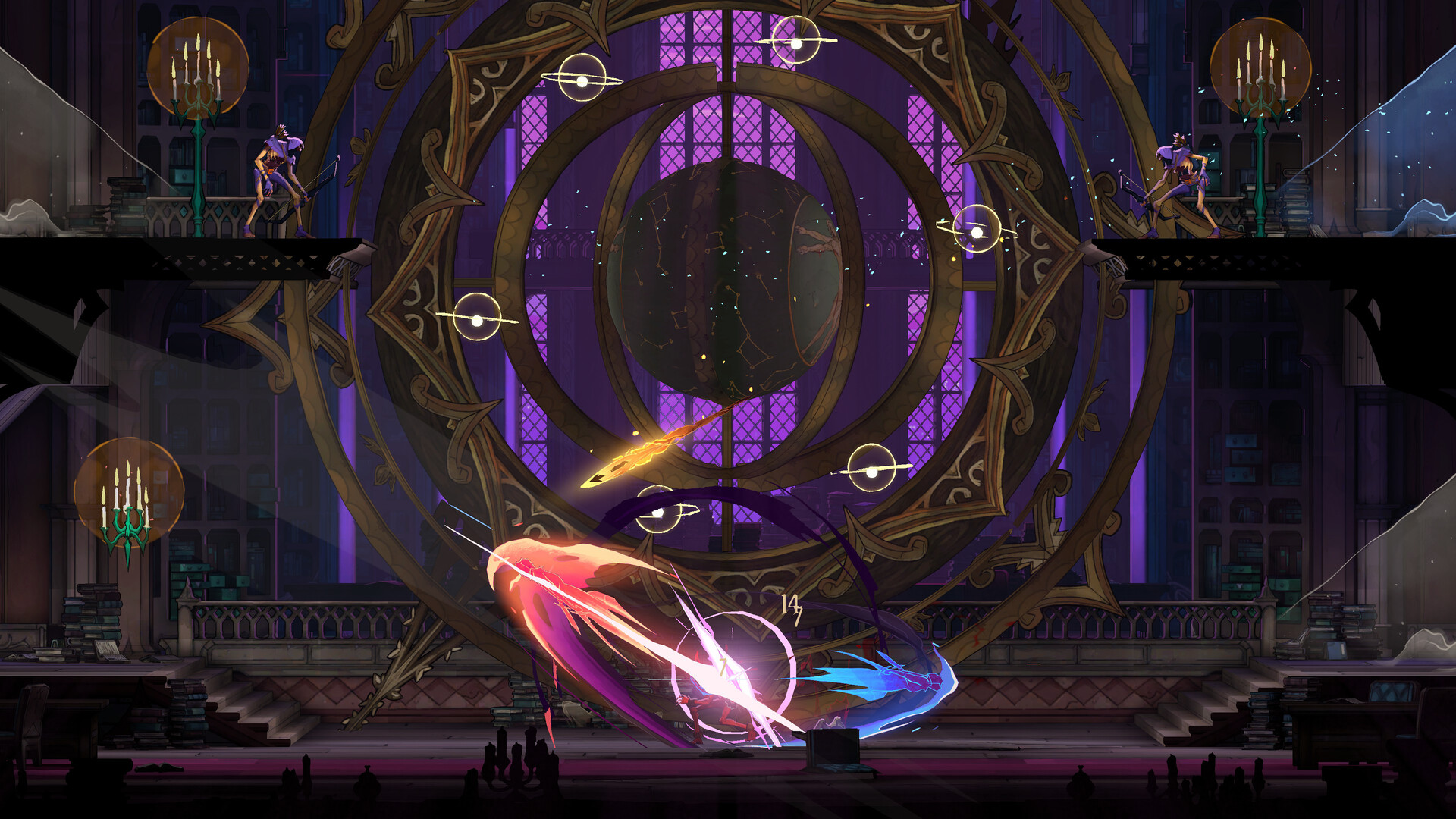
Fast combat is where the new Castlevania really shines
Rose doesn't just stand in front of an enemy and swing her whip until it dies. She can pull herself towards an opponent, attack while moving, switch weapons, cast a spell or parry an incoming strike with a magical shield. Once you've unlocked more abilities, you can chain these actions together without spending much time standing still. It's a faster approach than the combat of several older Castlevania games, and it's the part of Belmont's Curse that receives the strongest praise.
The whip is especially interesting because it's both a movement tool and a weapon. You can attach it to objects, swing across dangerous areas or use it to close the distance to an enemy. That same movement can lead directly into an attack. GameSpot considers the combat among the best in any 2D action game, particularly praising the parry system. Unlike games where defending interrupts your attacks, Belmont's Curse lets you strike and parry almost simultaneously. It makes fighting feel aggressive without taking away your defensive options.
There are seven weapon categories, including swords, spears, gauntlets and whips, each with different attacks and special abilities. Game Informer, RPGFan and Vandal appreciate the freedom to experiment, especially when weapons are combined with Arcana spells and relics. Interestingly, RPGFan enjoyed the combat without relying heavily on the parry, while GameSpot considers it essential. That suggests the game supports different approaches rather than forcing everyone to master one technique.
There are problems, however. VGC completed much of the adventure using ordinary swords and rarely felt a reason to change. Its criticism isn't that weapons feel identical, but that experimenting doesn't always seem necessary. GameSpew raises another issue, arguing that some enemies have too much health and can become overly aggressive in groups. Even GameSpot acknowledges that crowded encounters occasionally make it difficult to spot an incoming attack among all the visual effects.
These complaints don't cancel out the praise. A combat system can have responsive controls and enjoyable mechanics while still suffering from imperfect encounter balance. The important thing is that Belmont's Curse gives you several ways to approach enemies, and movement, attacks and defensive abilities work naturally together. Some equipment could have been more useful, and certain encounters are frustrating, but combat remains one of the game's clearest successes.
Critical breakdown
Combat and movementGameSpot · IGN · Game Informer · RPGFan · ActuGaming · Gamekult · Games.ch · SpazioGames · Vandal · Areajugones · Famitsu · Dengeki Online · GRY-Online · PPE.pl · GamerSky · VJGamer · Pizza Fria
Exploration is rewarding, although the map has its limits
Rose travels through the burning streets of Paris, underground passages and Dracula's castle. Along the way, you'll find locked doors, unreachable platforms and places that clearly hide something. Defeating bosses unlocks abilities that let you return to previously inaccessible locations. It's familiar Metroidvania territory, but the tarot system adds an interesting twist.
Each major tarot card represents one of Dracula's servants. Before confronting that enemy, you collect clues about their identity and location. These might be written descriptions, drawings or details hidden in the environment. Finding the boss becomes a small investigation rather than simply following a marker. Once defeated, that enemy provides a new Arcana ability, connecting the investigation directly to combat and progression.
GameSpot considers this one of the game's cleverest ideas. Game Informer and Vandal are equally enthusiastic about the secrets and environmental puzzles, arguing that paying attention to small details is consistently rewarding. You also have useful mapping tools, including progress indicators and markers for places you can't reach yet. IGN appreciates those conveniences, especially when returning to areas to collect missed items.
Not everyone is convinced by the structure, though. VGC finds exploration more conventional than the enthusiastic reviews suggest, with discoveries sometimes feeling like completing a checklist. VJGamer considers the early and middle sections more linear than some older Castlevanias, although the castle offers more freedom. GamerSky raises a different criticism: certain objectives can be difficult to locate because the game doesn't provide enough guidance about where to continue.
Backtracking is another problem. You can travel between previously discovered locations, but moving around the world isn't always quick. IGN reports lengthy transitions between save mirrors on PS5, while other reviewers find some late-game journeys unnecessarily time-consuming. Returning to a previously inaccessible room can be satisfying when you know there's something worthwhile inside. Repeating long journeys simply to reach that room is less appealing.
The investigation system is a genuine strength, and the amount of optional content gives curious players plenty to discover. The weaker parts are the more guided sections and the occasional difficulty in moving between objectives. Belmont's Curse doesn't reinvent Metroidvania exploration, but its clues, secrets and interconnected abilities give the experience enough personality to make it worthwhile.
Critical breakdown
Exploration and environmental puzzlesGameSpot · Game Informer · RPGFan · ActuGaming · Gamekult · Games.ch · SpazioGames · Vandal · Areajugones · Famitsu · Dengeki Online · GRY-Online · PPE.pl · GameSpew · Pizza Fria
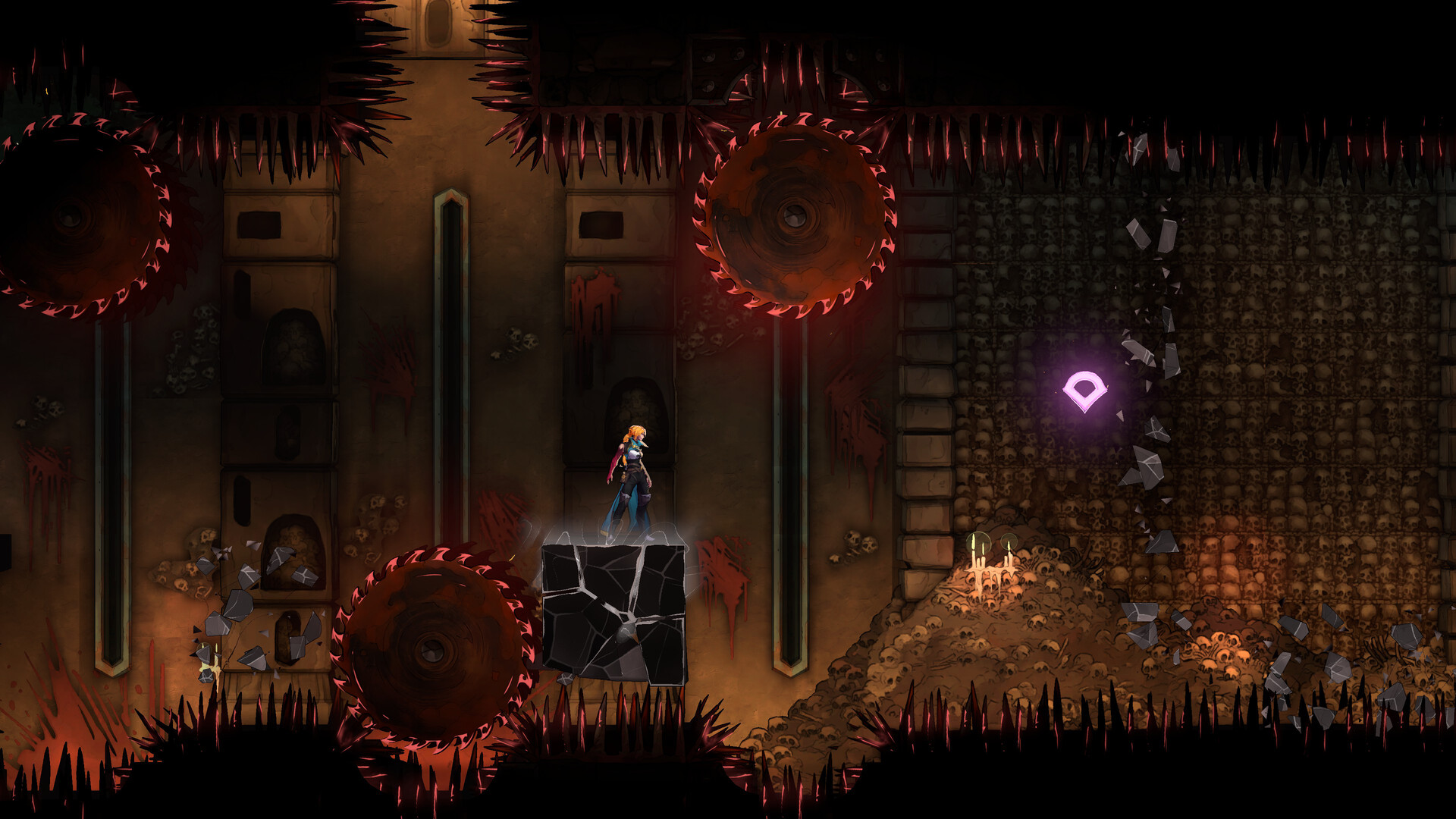
Boss fights and platforming are challenging, but not always balanced
Some rooms in Belmont's Curse are essentially obstacle courses. You have to swing across gaps, avoid spikes and time your movements around deadly traps. Elsewhere, bosses fill the screen with attacks, forcing you to recognise their patterns before moving closer. These challenges are a major part of the game, but the reviews disagree about how consistently they work.
RPGFan and GameSpot praise the creativity of several bosses. Some fights introduce unusual rules, while others combine combat with movement challenges. Game Informer also appreciates how demanding encounters encourage players to learn enemy behaviour instead of simply attacking repeatedly. When these fights work well, the difficulty comes from understanding what's happening and responding correctly.
Other reviewers had a different experience. SpazioGames and PPE.pl report that certain bosses become surprisingly easy once Rose has acquired powerful abilities. RPGFan also notes that fighting major enemies in a different order can disrupt the difficulty curve. One encounter may feel appropriately demanding, while another becomes much easier because you've already unlocked stronger equipment.
The platforming creates an even sharper disagreement. Games.ch appreciates the demanding movement sequences, but GamerSky criticises lengthy obstacle courses that require a precise series of actions. Some traps follow fixed patterns, leaving players little opportunity to stop, observe and react. Instead, progress depends heavily on memorising the correct timing through repeated attempts.
GameSpew is also critical of the balance, particularly when aggressive enemies and difficult bosses follow long stretches of combat. Returning to an encounter after dying can make things worse. Fortunately, the game offers extensive custom difficulty settings. You can adjust damage, experience gain and even choose to restart directly outside a boss room. IGN appreciates this last option because it removes unnecessary repetition without changing the fight itself.
The best encounters appear inventive and satisfying, and the custom settings are a welcome addition. But the difficulty isn't consistently well designed. Some bosses are too easy, others create sudden spikes, and certain platforming sequences rely too much on memorisation. The ability to adjust the experience reduces frustration, but it doesn't completely solve those problems.
Critical breakdown
Bosses, platforming and difficultyGameSpot · IGN · Game Informer · RPGFan · Gamekult · Games.ch · Vandal · Areajugones · Dengeki Online · Pizza Fria
VGC · ActuGaming · SpazioGames · Famitsu · GRY-Online · PPE.pl · VJGamer
Modernising Castlevania means leaving some familiar mechanics behind
Belmont's Curse keeps the familiar monsters, hidden passages and equipment associated with the series, but the way Rose develops her abilities is different. Evil Empire has simplified several RPG elements, putting more emphasis on combat and movement. You still gain experience, find weapons and equip relics, but there's less focus on collecting rare equipment or building a character through complicated combinations of statistics.
The tarot system is the biggest addition. Defeating a major enemy turns its card into a source of magical power. Each Arcana also has specific challenges that allow you to improve its abilities, while the defeated character can continue speaking to Rose. GameSpot considers this an excellent way to connect progression, storytelling and combat. Game Informer and RPGFan also praise the variety of equipment and possible combinations.
But not every upgrade is equally interesting. Gamekult argues that much of the RPG layer feels unnecessary, while SpazioGames and GamerSky question how useful certain systems really are. Many weapons within the same family mainly offer stronger versions of something you've already found. Discovering equipment is exciting when it changes how you fight. When it simply deals more damage, that sense of discovery becomes weaker.
There's also the question of whether this still feels like Castlevania. IGN enjoys the combat but misses several traditional mechanics, including familiar subweapons, healing items and deeper RPG systems. VJGamer goes further, arguing that the game resembles other modern Metroidvanias more than the series it belongs to. Both publications appreciate parts of the experience while questioning how much of Castlevania's original identity remains.
VGC approaches the problem from almost the opposite direction. Rather than asking for more traditional Castlevania mechanics, it questions whether Belmont's Curse brings enough new ideas to a genre transformed by games such as Hollow Knight, Ori and Dead Cells. These aren't the same complaints. One concerns the loss of familiar features; the other concerns the lack of innovation compared with modern competitors.
The most useful distinction is between combat and progression. The new movement and defensive systems clearly improve the action, offering enough flexibility to justify moving away from older mechanics. Progression is less convincing because not every upgrade creates an interesting choice. Belmont's Curse successfully modernises the way the series plays, but loses some of the character-building depth that made certain previous entries memorable.
Critical breakdown
Progression and Castlevania identityGameSpot · Game Informer · RPGFan · ActuGaming · Vandal · Areajugones · Famitsu · Dengeki Online · PPE.pl · GameSpew · Pizza Fria
Gamekult · Games.ch · SpazioGames · GRY-Online · GamerSky
Beautiful environments, but a surprisingly divisive soundtrack
Burning Paris looks very different from the grey corridors often associated with Dracula's castle. Buildings glow against a red sky, underground passages use cold colours, and the castle is filled with elaborate architecture and enormous monsters. Evil Empire has chosen a colourful, illustrated style instead of reproducing the pixel art of older Castlevania games.
The visual presentation receives widespread praise. Even VGC, which is much less enthusiastic about the gameplay, considers the environments outstanding. GameSpot and RPGFan are similarly impressed by the colours, backgrounds and character designs. IGN particularly appreciates the redesigned monsters, although it also finds the overall enemy variety disappointing, with repeated designs and several familiar creatures missing.
There are occasional problems when too much happens on screen. Gamekult and GamerSky report situations where camera distance, lighting or visual effects make attacks and hazards difficult to follow. These issues matter most during demanding combat and platforming, when recognising a threat quickly is essential.
The soundtrack creates a sharper disagreement. GameSpot, RPGFan, VGC and GameSpew enjoy its combination of new compositions and arrangements of classic themes. Gamekult has almost the opposite reaction, strongly criticising several modern musical choices. Dengeki Online and GamerSky also find some of the new tracks less memorable than the music associated with older entries.
The story receives less attention. Rose, daughter of Trevor and Sypha, investigates Dracula's return while dealing with a curse of her own. The tarot cards allow defeated enemies to continue speaking with her. GameSpot enjoys these supporting characters but finds Rose relatively straightforward; IGN is more positive about her personality. Overall, the narrative provides enough context without becoming the main attraction.
Visually, Belmont's Curse is clearly successful. The environments and character designs give the adventure a strong personality, even if crowded scenes occasionally make the action harder to follow. The music is more difficult to judge: several critics love its variety, while others find the new direction disappointing. That's a genuine disagreement rather than a minor complaint shared by everyone.
Critical breakdown
Visuals and soundtrackGameSpot · IGN · Game Informer · RPGFan · VGC · Games.ch · SpazioGames · Vandal · Areajugones · GRY-Online · PPE.pl · GameSpew · Pizza Fria