


Silver Pines: what critics and players think
15 professional reviews · press coverage through October 7, 2026 · 3,687 Steam reviews from October 8–20, 2026 · 95.50% positive recommendations
Private investigator Red Walker arrives in Silver Pines looking for the missing musician Eddie Velvet. You explore a nearly abandoned town, collect clues and try to survive with whatever you can carry. It’s a side-scrolling survival horror game, but between the phone calls, apparitions and people who seem to know more than they’re saying, the investigation soon becomes something stranger.
We compared the international press reviews selected for this analysis with 3,687 Steam user reviews. The response is very positive, but that 95.50% recommendation rate includes plenty of criticism. The town wins over players who still find the controls stiff, some journeys tiresome or the story’s answers disappointing. Post-launch reviews confirm Silver Pines’ appeal while making it clearer which problems players are willing to forgive.
Consensus map
Where critics and players agree
The clearest point of agreement
Widespread enthusiasm
Takeaway The town keeps making you want to see more
Strong map, divisive backtracking
Rewarding discoveries, some tiring journeys
Takeaway It works best while there’s still something to discover
Uneven quality and variety
Investigation and photographs go down well
Takeaway Recording discoveries makes the investigation feel personal
The weakest part
More defenders, substantial criticism
Takeaway Vulnerability doesn’t excuse every imprecise action
Mostly engaging
Compelling mystery, more disputed payoff
Takeaway Drawing you in comes more easily than answering your questions
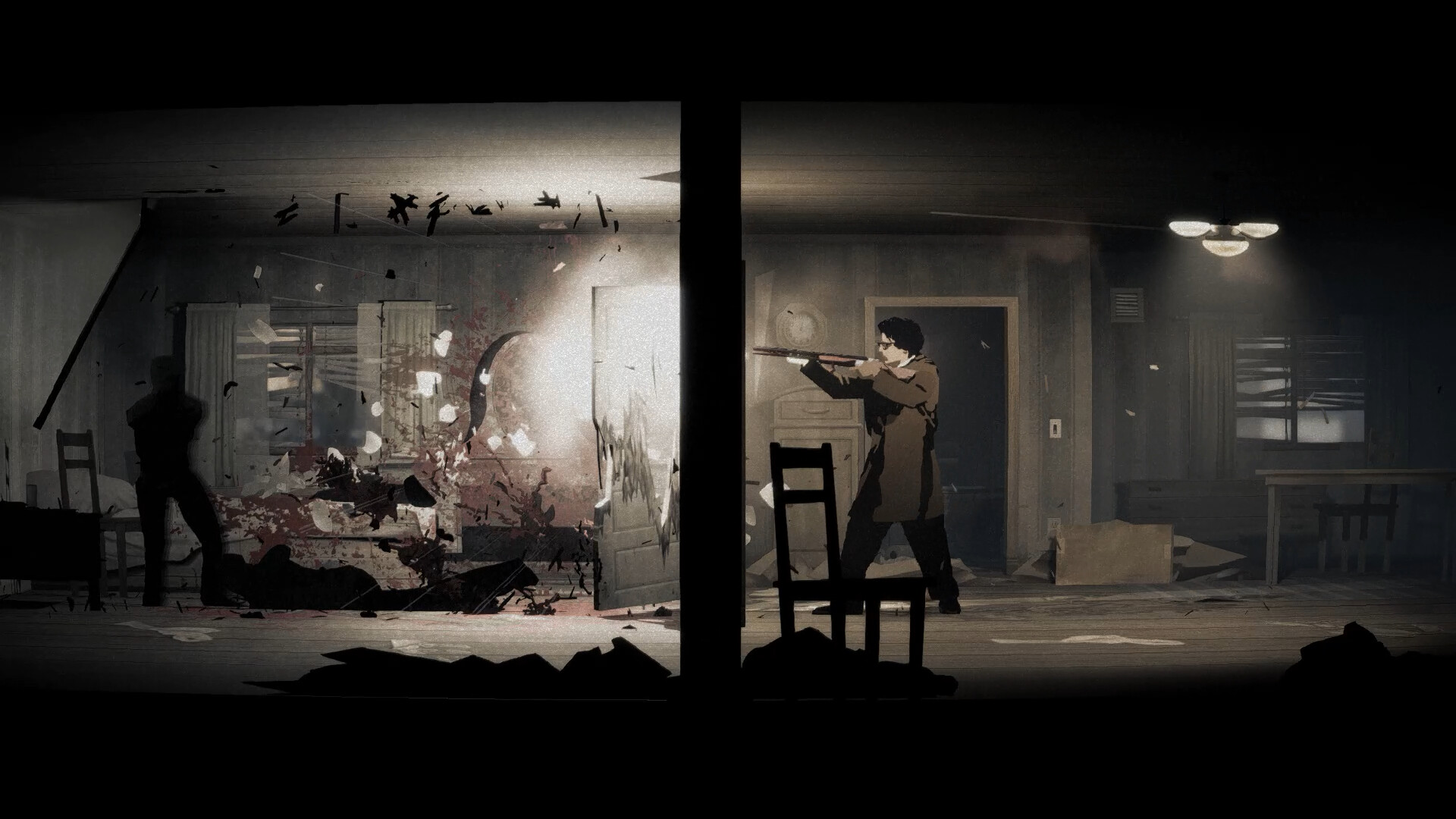
The town draws you in before the investigation gets going
You enter a room and already have several reasons to stop before finding anything to collect. Light changes between the different layers of the scene, rain crosses the frame, a window reveals the storm outside and a noise makes you check what might be moving off-screen. The side-on view shows enough to make you curious while leaving corners and details you can’t immediately explain. That attention to the surroundings does much of the work of making you want to keep going.
This is the strongest point of agreement among critics, and Steam reviews reinforce it. Players repeatedly praise the animated-illustration look, the contrasts in lighting and the sense of walking through a town that continues to exist even when nothing openly threatening is happening. Some of the harshest complaints about combat begin by acknowledging how beautiful this world is. The presentation reaches people who ultimately don’t recommend the game, too.
Sound adds a great deal to that feeling. Players remember the melancholy music, the songs and the character performances, which can make even a short conversation appealing in an otherwise unsettling place. Some describe becoming surprisingly attached to people they meet only a handful of times. Fear isn’t the only thing holding their attention. There’s also a desire to spend a little longer with those characters and understand what they’re hiding, while the soundscape connects the quiet stretches with the more disturbing scenes.
The Twin Peaks influence is obvious, alongside Silent Hill and Alan Wake, but players aren’t all looking for the same kind of horror. Some particularly enjoy the slow tension and the absence of constant jump scares; others find it less frightening than they expected. Even 4Players, which questions the game’s originality, acknowledges the strength of its opening hours. Those observations can coexist. A town can be beautiful and unsettling without retaining the same ability to surprise throughout the entire game.
Atmosphere and sound are nevertheless clear successes because they give weight to actions that could otherwise feel ordinary. Walking down a familiar street, reading a document or waiting for someone to answer the phone remain engaging because of how they’re presented. This is the safest reason to recommend Silver Pines, provided you’re looking for horror that leaves room for curiosity, melancholy and anticipation.
Critical breakdown
Atmosphere, art direction and soundGamesRadar+ · PlayStation Universe · Digital Chumps · Finger Guns · Pure Dead Gaming · Gamer Social Club · DualShockers · Gamesurf · UAGNA · Xboxygen · Vandal · HobbyConsolas · 4Players · PPE.pl · KonsoliFIN
Player breakdown
Atmosphere, art direction and soundVisual style, music, voice acting and environments make the town absorbing.
The presentation impresses, but fear and surprise don’t always meet expectations.
Exploration works better than retracing every step
You find an obstacle, realise you’ll have to leave it for now and keep exploring. Once you acquire a new tool, part of the town takes on a different meaning. A passage that seemed useless becomes an opportunity, and remembering where you saw it can matter as much as finding the right item. Silver Pines uses that progression to connect the search for clues with your growing understanding of the map, giving places you crossed hours earlier a new purpose.
Critics particularly appreciate how much is packed into the town, although backtracking divides them. Satisfied players explain the appeal clearly. Detours hide resources, equipment or small upgrades, and comparing the map with the places you’ve actually visited can point towards a room you haven’t reached. Exploration gives you a reason to pay attention to the shape of the buildings. Even some players who usually dislike backtracking say they stayed engaged because discoveries came often enough.
The complaints focus on what happens once that process runs out of steam. If you’ve killed the enemies and need to cross another sequence of empty rooms, the journey can come down to holding a direction. Red’s slow movement makes wrong turns more costly, while finding the last required item or finishing a collection can drag out this stage. Players don’t always consider the rewards worth the time spent reaching them. Steam reviews put the problem identified by critics into more practical terms, separating the discovery of a connection from simply repeating the trip.
There’s also an expectation worth clearing up before buying. Several players warn that the metroidvania label might suggest an increasingly agile character with new movement abilities. Here, progression mostly comes through tools, access and knowledge of the town, within a survival horror framework. Connections and travel options do open up as you advance; describing the game as having no fast travel at all would be wrong. Their presence doesn’t remove the time needed to unlock them, though, or the need to revisit familiar places later.
Exploration works well when remembering something leads to a discovery, and player accounts show that this happens often enough to carry the adventure. It loses strength when a journey adds no information, danger or opportunity. The map is therefore one of the best reasons to play Silver Pines, but anyone looking mainly for mobility and constant momentum should expect a slower structure, with some trips that remain tiring even when you already know where you’re going.
Critical breakdown
Exploration, map and metroidvania structureGamesRadar+ · PlayStation Universe · Digital Chumps · Pure Dead Gaming · Gamer Social Club · DualShockers · Xboxygen · Vandal
Finger Guns · Gamesurf · UAGNA · HobbyConsolas · 4Players · PPE.pl · KonsoliFIN
Player breakdown
Exploration, map and metroidvania structureSecrets, connections and tools make learning your way around the town rewarding.
Good discoveries, but less interesting journeys in the later stages.
Repetitive backtracking and slow movement make getting around too laborious.
Resources make decisions matter, but mistakes cost more too
Before heading out, you need to decide what to take. Another weapon uses space you could give to a healing item or a tool, while ammunition spent now might be missing when you reach the next encounter. Coins have two competing uses as well, paying both for supplies and for the phones where you save. The game wants you to think about how a choice might affect you beyond the room where you’re making it.
Critics are largely positive about how these systems connect, and many Steam reviews describe the same satisfaction. Resources matter, finding more brings relief and leaving with a carefully chosen loadout makes you feel prepared without removing uncertainty. The link to early Resident Evil games mostly comes from that relationship between knowing the route, managing space and spending ammunition. Even seemingly minor items gain value when they can help you avoid a fight or enter it in better shape.
Players highlight an important gap, however, between the pressure the system aims to create and what it sometimes produces. Some describe being too cautious with their coins, losing a substantial stretch of progress after dying and then finishing with money left unused. Others reach bosses almost out of ammunition and feel trapped by their remaining supplies. There are also players who find plenty of resources and consider management undemanding after the opening hours. Difficulty, exploration and personal habits clearly change the experience, so the accounts don’t support the idea of a balance that feels the same to everyone.
Limited space becomes less effective when it makes you repeat actions without an interesting decision behind them. Dropping an item, picking up another, combining it and retrieving what you left on the floor can become a laborious sequence. Fetching a forgotten tool also adds a trip that feels more costly than the original packing decision. Worn-out melee weapons don’t automatically disappear, but their effectiveness and the need for repairs add pressure to your loadout. For some players, this preparation is central to the enjoyment; for others, the interface and handling take up too much time.
Overall, the system connects exploration and survival well because it gives the things you find a practical purpose. Its biggest weakness is the cost of mistakes when imprecise combat and distant saves combine. Deciding how to spend resources is a strength; the amount of progress you may have to repeat can turn a cautious or mistaken choice into an excessive punishment.
Critical breakdown
Resources, inventory and savingPlayStation Universe · Digital Chumps · Finger Guns · Pure Dead Gaming · Gamer Social Club · DualShockers · Gamesurf · Xboxygen · Vandal · PPE.pl · KonsoliFIN
GamesRadar+ · UAGNA · HobbyConsolas
Player breakdown
Resources, inventory and savingPreparation and supply management give purpose to exploration and packing decisions.
The tension works, but balance and item handling aren’t always convincing.
Limited saves, inventory handling and scarcity can make mistakes too costly.
The camera helps you investigate without solving everything for you
You read a note, inspect a room and try to connect what you’ve learned with a lock or mechanism you saw earlier. Silver Pines’ puzzles often depend on that link between a clue and a place. Sometimes the challenge is interpreting the information; sometimes it’s remembering where to use it. The game leaves room for initiative, and several players describe reaching for pen and paper despite already having in-game tools to keep track of things.
Positive Steam comments mostly focus on searching for clues and the satisfaction of reaching a solution independently. Players like problems that ask them to observe and compare, with enough challenge to be engaging without stopping the adventure for too long. Even enthusiastic reviews mention individual codes that feel strained or steps that seem to exist mainly to send you walking again. A puzzle being solvable doesn’t necessarily make the journey required to solve it interesting.
Critics are more divided over variety. UAGNA finds several puzzles too simple, while other reviews appreciate the connections between documents and surroundings. Players generally seem more willing to accept locks, combinations and item hunts as long as the clue gives them a reasonable way to work out what to do. When progress stalls because they’ve missed a small interaction, the same complaints raised by critics return. The frustration is less about the lack of explicit guidance than the time spent checking possibilities without learning anything new.
The camera is particularly well received because it preserves a discovery without finishing the work for you. Photographing something interesting and finding the picture on the map lets you build your own visual memory of the town. You still need to decide what deserves a photograph and when it’s worth revisiting. The original photo limit drew complaints, but the October 16 Steam update increased it from 30 to 100. Those complaints therefore describe a restriction that has changed, while remaining valid accounts of early playthroughs.
The puzzles work best as a way to understand and become familiar with the town, rather than as a succession of major logic challenges. They don’t always have enough variety to stand on their own, but the camera and the search for clues make the investigation more involving. That’s a positive result, with a clear weakness whenever progress mainly depends on finding the one detail you overlooked. A good way to record discoveries helps, but it can’t make every search interesting.
Critical breakdown
Puzzles, investigation and cameraGamesRadar+ · PlayStation Universe · Digital Chumps · Pure Dead Gaming · Gamer Social Club · Xboxygen · Vandal · KonsoliFIN
Finger Guns · DualShockers · Gamesurf · HobbyConsolas
UAGNA · 4Players
Player breakdown
Puzzles, investigation and cameraClues, notes and photographs make working out solutions independently satisfying.
Engaging investigation, with some strained codes or prolonged searches.
Repetition and unintuitive steps weaken the investigation.
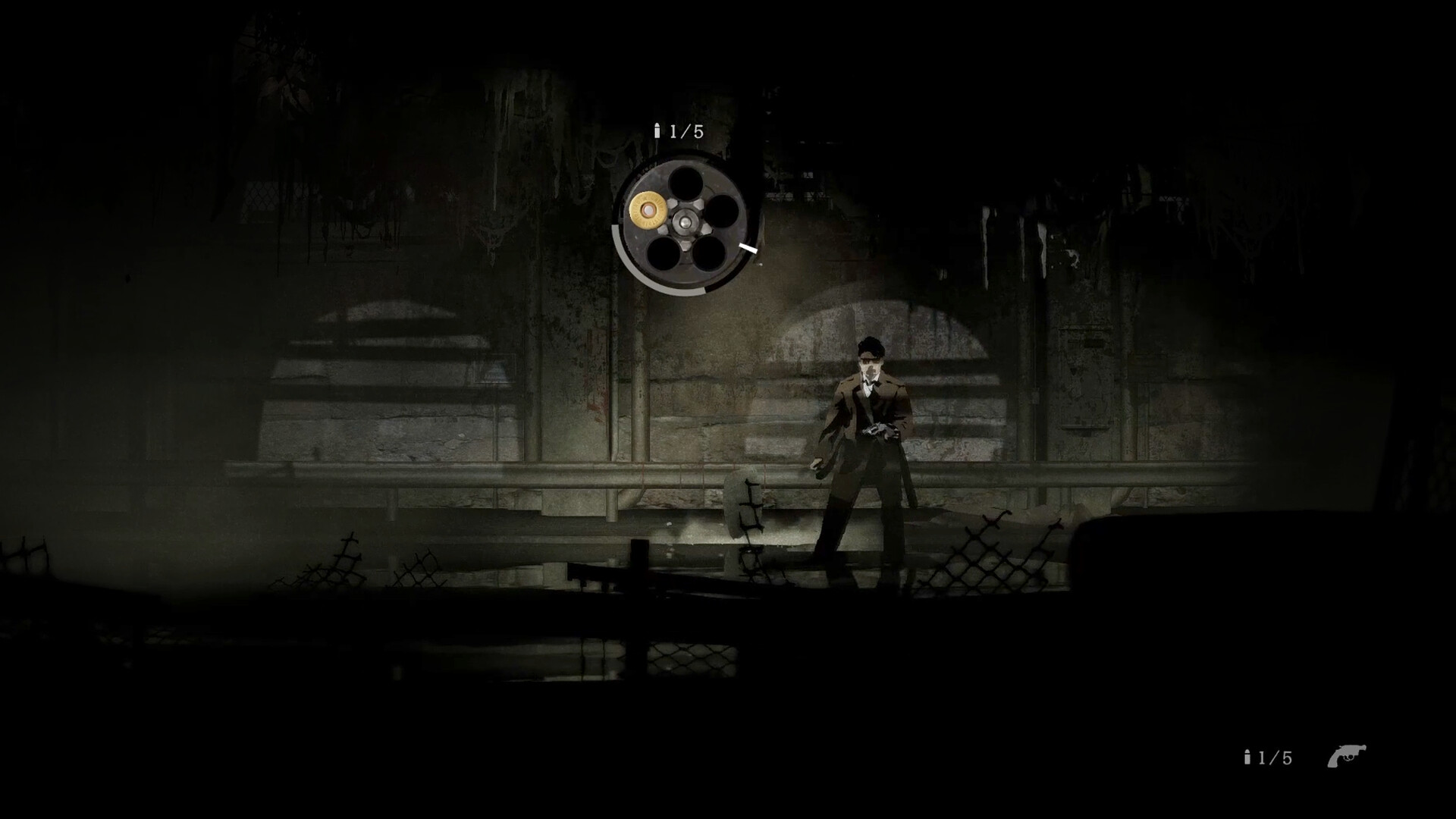
Combat has more defenders, but it remains the weak point
An enemy approaches while you’re finishing a reload, another cuts off your space and the shot you wanted to land doesn’t go where you expected. Silver Pines tries to make you vulnerable through slow movement, lengthy animations and weapons that demand attention. When it works, you need to prepare an attack and choose when to expose yourself. When it doesn’t, that same slowness makes it harder to tell how much of a mistake came from your decision and how much came from the character’s response.
Steam reviews reveal a more complicated split than the overall recommendation rate might suggest. Some players appreciate the weight of the weapons, manual reloading and the need to learn a varied arsenal. A number describe enjoying the bosses too, using different weapons throughout the game instead of stockpiling ammunition until the end. Those opinions broaden the positive camp, represented among professional reviews mainly by DualShockers and Gamer Social Club. Combat can become satisfying once its rhythm clicks.
The criticism remains substantial, though, and it also comes from reviews that strongly recommend the game. Repeated complaints concern aiming, melee attacks that appear to miss at close range, turning around and the time needed to heal or reload. Some players find it frustrating to take damage during an interaction or immediately after moving between areas. Limited ammunition makes every missed shot more irritating because the cost carries beyond the fight and changes the options available for the rest of the journey.
Bosses bring these difficulties together. A highly durable creature can drain your supplies without offering enough variation in the encounter, while additional enemies make it harder to find an opening. Restarting from an earlier save makes the repetition more tiring. Players don’t condemn combat unanimously, but their accounts confirm the weakness identified by critics. For some, learning the timing makes a big difference; for others, the problems remain after they understand what they’re supposed to do.
Combat is still the least convincing part of the game. Vulnerability can create tension, but actions need enough precision for you to understand when a mistake was yours. Reports about aiming, hit detection and interactions show that this doesn’t always hold up, especially when several obstacles combine. Silver Pines is worth considering for its investigation and exploration. Fighting can support those parts effectively, but it offers a less reliable reason to recommend the game to someone mainly looking for good action.
Critical breakdown
Combat, enemies and bossesDualShockers · Gamer Social Club
GamesRadar+ · PlayStation Universe · Digital Chumps · Finger Guns · Gamesurf · UAGNA · Xboxygen
Pure Dead Gaming · Vandal · 4Players · PPE.pl · KonsoliFIN
Player breakdown
Combat, enemies and bossesWeapon weight, reloading and learning the timing make fights satisfying.
The tension works, but stiffness and certain encounters get in the way.
Aiming, melee, interactions and bosses frustrate even some players who recommend the game.
The mystery draws you in, but the ending doesn’t reward everyone equally
Red arrives to find a musician, but conversations and clues gradually make the meaning of that search less certain. People, places and television programmes seem to point towards something the game isn’t ready to explain. Wanting to understand holds the adventure together and gives it direction even when the map offers several things to pursue. The writing asks you to live with incomplete answers, relying heavily on curiosity and the mood of each scene.
Most critics are happy to accept that approach. The strongest objection comes from 4Players, which sees an absorbing opening gradually give way to overly familiar references. Players often react in the opposite way. Recognising Twin Peaks, Silent Hill or Alan Wake is part of the pleasure, and many think the game combines those influences successfully. The performances and affection for particular characters help make the town feel like somewhere worth caring about, even when its inspirations are obvious.
Where players introduce more doubts is in what remains after the ending. Some very positive reviews admit they still haven’t understood the relationships between characters or the meaning of certain events, even after seeking out alternative endings. For some, that ambiguity is stimulating and invites discussion. Others feel the people they meet speak too much in riddles and give them too little useful information. Enjoying the presentation and staying engaged during the journey don’t always translate into satisfaction with the story as a whole.
Pacing matters as well. A long stretch spent searching for items can separate two story scenes enough to weaken the initial urgency, particularly if you’re crossing places you’ve already cleared. Players absorbed in exploration often experience those pauses as a natural part of the investigation instead. Some complaints call the story predictable; others find it too vague even at the end. The disagreement concerns both how many answers the game gives and how satisfying those answers are, so simply adding more explanations wouldn’t necessarily solve it.
The story succeeds in motivating exploration and leaving players with images and characters they remember fondly. Its ability to bring the journey to a satisfying close is less dependable. There’s a strong case for its appeal while you’re playing, with more reason for caution about how the whole mystery fits together. You can expect a story that encourages curiosity and interpretation, but there’s no guarantee the final stretch will repay every question raised along the way. That’s the most important qualification player reviews add to the initial critical response.
Critical breakdown
Story, mystery and identityGamesRadar+ · PlayStation Universe · Digital Chumps · Pure Dead Gaming · Gamer Social Club · DualShockers · Gamesurf · UAGNA · KonsoliFIN
Finger Guns · Vandal · HobbyConsolas · PPE.pl
4Players
Player breakdown
Story, mystery and identityThe mystery, characters and influences sustain interest and invite interpretation.
An engaging journey, with less satisfying answers or narrative pacing.
Overly derivative references, vague dialogue and unconvincing conclusions.
Patches change how launch problems should be read
Technical reports need to be considered separately from balance complaints. Steam reviews describe crashes, drops in smoothness and situations that stop progress, alongside accounts of completed playthroughs without major problems. There’s no verified common cause that would justify treating all these reports as one fault. When they do happen, however, paid saves increase the practical cost, because players can lose far more time than it takes to restart the game.
The official Steam updates on October 9 and 16 addressed some progression blocks and performance problems. The first also introduced a DirectX 11 launch option, suggested particularly for players having trouble on Steam Deck. The second tackled several interactions and progression situations. These fixes document work on specific problems without proving that every reported issue has been resolved. We also can’t automatically equate those cases with the progression block Xboxygen encountered in its review build.
Player accounts therefore need to be read with the timing of their playthroughs in mind, rather than treating every launch complaint as a current problem. Losing progress remains a serious concern, but the available comparison doesn’t justify describing the updated version as universally unstable.
Steam recommendations and differences between languages
The 3,687 reviews analysed include 3,521 positive recommendations and 166 negative ones, giving an overall positive recommendation rate of 95.50%. This measures recommendations for the game as a whole, while the thematic charts summarise what the review texts say about individual aspects.
Only groups with at least 100 reviews are shown, ordered by review count. Simplified and Traditional Chinese are combined, as are the Spanish and Portuguese variants. Review language does not establish nationality or location, and groups of different sizes cannot by themselves explain differences in recommendation rates.
Final verdict
Silver Pines earns a recommendation for players looking for survival horror where observation, memory and preparation matter. Atmosphere and sound sustain curiosity, the town rewards attention and the camera helps you take part in the investigation without reducing it to a sequence of directions. Player enthusiasm reinforces those strengths and shows that obvious references to the classics can coexist with a strong attachment to this particular world.
That recommendation needs to account for combat and the pace of getting around. Fights aren’t simply difficult or deliberately slow; complaints about precision and interactions point to weaknesses that can undermine tension instead of sustaining it. Revisiting familiar places also loses value when there’s nothing left to discover. The story, meanwhile, is more consistently successful at drawing people in than satisfying them once it ends.
The game succeeds overall because its exploration and investigation are strong enough to make the journey worthwhile. If that combination appeals to you, there are concrete reasons to consider it. If precise combat, quick movement or a fully satisfying narrative resolution matter heavily to you, the limitations are substantial, and the enthusiasm of Steam reviews doesn’t make them disappear.
How this analysis was produced
This comparison retains the 15 professional reviews and thematic classifications from the press analysis, with coverage through October 7, 2026. Professional sources cover several platforms; the player material consists exclusively of Steam reviews.
The 3,687 Steam reviews analysed all have distinct identifiers and were published between October 8, 2026 at 17:08:30 and October 20, 2026 at 13:03:32 UTC. Four contain no text and contribute to the overall and language figures, while the thematic analysis draws on the 3,683 non-empty texts. These reviews represent the Steam corpus analysed and are not automatically treated as representative of every player or other platforms.
Overall recommendation rates and language figures come from the positive and negative recommendations recorded in the reviews. Assessments of individual themes come from the review texts. A positive recommendation can contain a negative assessment of combat, story or another aspect.
Each professional source carries equal weight in the critical charts and is included only when it discusses the theme. Player bars are qualitative editorial syntheses of the positive, mixed and negative positions found in the analysis. They are not measured percentages, a survey or exact review counts for each theme.
Xboxygen encountered a progression block that prevented completion. Its review is used for the aspects it was able to assess, without attributing a judgment on the ending or the consistency of the complete story. Technical reports and the original photo limit were checked against the official Steam updates of October 9 and 16, 2026. No review scores were averaged.
Sources consulted
- GamesRadar+ — Silver Pines review
- PlayStation Universe — Silver Pines PS5 Review
- Digital Chumps — Silver Pines Review
- Finger Guns — Silver Pines Review
- Pure Dead Gaming — Silver Pines Review
- Gamer Social Club — Silver Pines Review
- DualShockers — Silver Pines Review: A Sublime Twin Peaks-Inspired Fever Dream
- Gamesurf — Silver Pines review
- UAGNA — Silver Pines review
- Xboxygen — Test Silver Pines, Un cauchemar presque parfait
- Vandal — Análisis Silver Pines
- HobbyConsolas — Análisis de Silver Pines
- 4Players — Silver Pines im Test
- PPE.pl — Silver Pines review
- KonsoliFIN — Silver Pines review
- Steam — Silver Pines user reviews, corpus analysed through October 20, 2026.
- Wych Elm and Team17 — Official Steam announcements, Hotfix 1 on October 9 and Hotfix 2 on October 16, 2026.
- Steam — Official Silver Pines store page, game information and screenshots.