


Stupid Never Dies: What Critics Think
16 professional reviews · press coverage through October 21, 2026
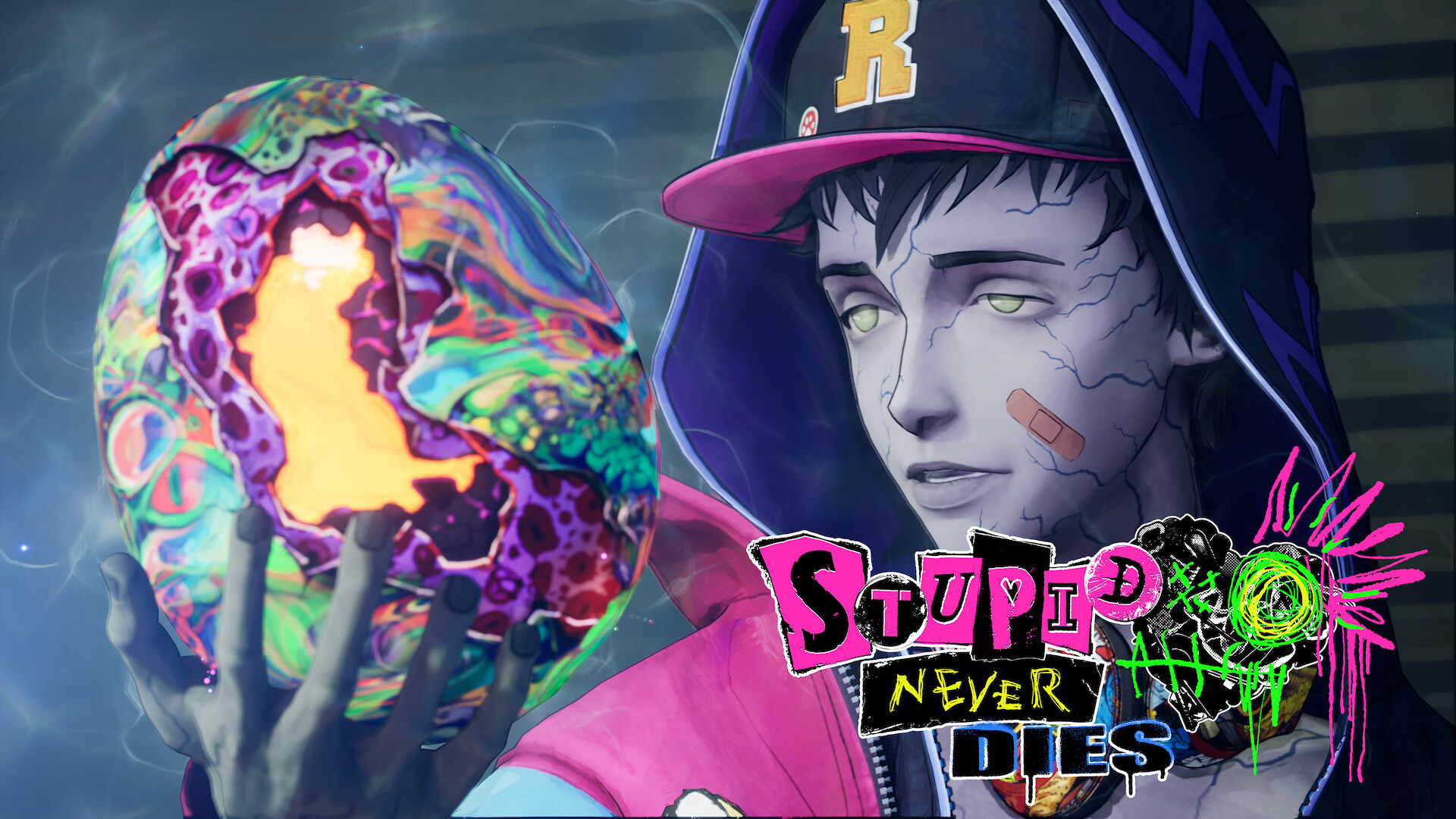
In Stupid Never Dies, you play as Davy, a zombie considered useless even by other monsters. To resurrect Julia, a girl he discovered frozen in a shopping mall, he ventures into underground dungeons, fights, devours enemies, and returns to his base to upgrade himself. It's an action RPG with a roguelite structure: temporary levels reset with each run, but your permanent progress makes Davy stronger over time. Critics are nearly unanimous in praising its absurd world and the ability to transform into other creatures. They disagree on a more important question: between imprecise attacks, repeated dungeons, and a countdown timer, how enjoyable is the combat once those first few hours are over?
Consensus map
Where Critics Agree and Disagree
The main judgments from international press reviews, before looking at each area in detail.
Lots of ideas, but divided opinions on control and precision.
TakeawayMovement does not always support the abilities on offer.
The most widely praised system in the game.
TakeawayAttacks change, but some forms are far more useful than others.
Progress gets faster, but repetition remains.
TakeawayUpgrades cannot erase the grind required to move forward.
Strategic pressure for some; frustration for others.
TakeawayIt gives choices weight, but can spoil boss battles.
Art direction wins widespread praise.
TakeawayA world full of personality, stronger than its writing.
This first analysis covers professional reviews only.
Combat Is Chaotic and Fun, but Landing a Hit Shouldn't Be a Gamble
The game offers light and heavy attacks, jumps, special moves, and a defense system quite unlike a conventional dodge. Davy can throw himself toward an incoming blow with the Stupid Parry, turning defense into a counterattack. His Bite must be charged by fighting: it restores health and, when used at the right moment, lets him devour an enemy's core. This isn't combat designed around patiently waiting for an opening. It rewards aggression and tries to make a formerly helpless zombie feel more dangerous every time he fights.
Japanese reviewers are particularly enthusiastic about that approach. Famitsu and Dengeki Online praise the offensive pace and the ability to recover resources without breaking the assault. Gamatomic also describes encounters that become satisfying once you grow familiar with parrying and transformations. Yet the absence of a target lock-on is a recurring problem. TheSixthAxis finds the forward-moving parry awkward when the screen fills with enemies; PSX Brasil reports difficulty directing attacks accurately, especially against flying targets.
GameSpot is more critical still. Steve Watts describes Davy's basic attacks as floaty and imprecise, nowhere near the responsiveness of a polished character-action game. GamesRadar+ and GamerSky raise similar concerns about hit detection and attack direction, while MeriStation feels the offensive options lack the depth needed to support them. Davy being an awkward zombie might explain ungainly animations, but that doesn't make it satisfying when you struggle to hit an enemy standing right in front of you.
Combat succeeds at creating energy, but only partly turns that energy into dependable control. The strongest moves feel good when you learn to manage Bite and counterattacks; in crowded battles, though, imprecision becomes an obstacle that no transformation can entirely overcome. That's a serious weakness in a game that asks you to fight the same types of enemies so often.
Critical breakdown
Combat and ControlsRPG Site · SpazioGames · Gamesurf · PSX Brasil · Hobby Consolas · ActuGaming · CritViews
GameSpot · GamesRadar+ · TheSixthAxis · MeriStation · GameBlast · GamerSky
Devouring Monsters Is the Best Idea, Even if Some Forms Are Better Than Others
The most original mechanic is Style Eat. When Davy devours an elite monster's core, he can temporarily acquire its abilities. A werewolf focuses on speed and melee attacks, a harpy fights at range, and a golem offers heavier blows and greater resilience. Transformations last only part of a run, so you have to decide when to activate them, which ones to keep ready, and whether to swap a powerful form for something new. Bite isn't just a way to heal: it can completely change the arsenal at your disposal.
This is the system that wins over the largest number of outlets. SpazioGames emphasizes the pleasure of experimenting, PSX Brasil praises the combinations, and Famitsu enthusiastically describes the variety of movements. Even GameSpot, despite its harsh overall verdict, enjoys finding a rare transformation, particularly because it can be so much stronger than Davy's default zombie form. RPG Site points to another benefit: some bosses reward recognizing which transformations are effective, rather than simply picking the flashiest option.
GamesRadar+ and GamerSky are less impressed. They don't dispute the sheer number of transformations, but argue that some are too weak or impractical to encourage actual use. GameBlast raises a similar issue: the forms would matter more if combat regularly required layered combinations of attacks and powers. Otherwise, the game risks offering eleven nominal styles while nudging players toward the same two or three because they finish fights more quickly.
Style Eat is a good idea that delivers a lot of satisfying moments, and it gives the game a distinctive identity through its mechanics as well as its appearance. But it remains tied to the quality of the underlying combat: becoming several different monsters matters less when only a few are consistently useful. The choice works best when a form answers a particular enemy or boss, not when it's simply a hunt for the strongest buff.
Critical breakdown
Transformations and Style EatRPG Site · GameSpot · SpazioGames · Gamesurf · Famitsu · Dengeki Online · Hobby Consolas · MeriStation · PSX Brasil · ActuGaming · Gamatomic · CritViews
The Timer Turns Every Run Into a Race: Strategy or Frustration?
Every time Davy descends into the dungeon, the clock starts ticking down. You can't stand around fighting every enemy, open every route, and explore every floor. You must decide when to chase experience, when to skip an area, and when to head toward the next boss. There are ways to recover extra seconds and move faster, but the countdown continues while you're figuring out the correct path. It changes the point of exploration: rather than clearing every room, you need to arrive far enough down the dungeon in fighting shape.
Gamatomic regards this pressure as a strength because it forces decisions and keeps runs moving. RPG Site initially finds it oppressive but later appreciates having to choose which monsters are worth fighting and which can be avoided. TheSixthAxis also values the relatively short attempts: when a randomized build doesn't work, you're not stuck with it for hours. These arguments show that the timer can genuinely shape the roguelite loop instead of merely punishing anyone who takes their time.
GameSpot sees things very differently, calling the timer one of the project's worst choices. Steve Watts describes the frustration of running out of time with a boss almost defeated. At that point, the problem isn't necessarily poor combat decisions: you've lost precious seconds chasing flying enemies that are difficult to hit, navigating awkward layouts, or walking through needlessly long corridors. PSX Brasil objects to the same pressure because it prevents you from appreciating the environments at your own pace. Some Spanish reviews likewise find that linear routes combined with a time limit restrict your freedom.
The countdown gives meaning to your decisions about which floors to tackle, so the mechanic isn't inherently misguided. It works much less well when it interferes with combat itself: a boss should test you with its attacks, not with time lost trying to keep it in view. The timer adds value to planning, but its implementation is poorly balanced in certain situations.
Critical breakdown
Timer and Run PacingRPG Site · Famitsu · Dengeki Online · SpazioGames · Gamesurf · ActuGaming · CritViews · GamerSky
Growing Stronger After Every Run Works, but the Game Repeats Too Much
Progression tries to soften the frustration often associated with roguelites. Every run starts Davy at his initial level, but the experience multiplier increases over successive attempts. You can then gain several levels in just a few fights, skip the least useful floors, and get ready for a boss more quickly. Back at the shopping mall, you spend resources on permanent improvements, new development options, and Body Hack components that modify Davy's body. Gifts for Julia also unlock upgrades, along with improvements to the powerful Davy Burst.
Dengeki Online considers this acceleration a smart way to help players keep progressing even before they fully master the action. PSX Brasil welcomes the steady growth and implant combinations, while TheSixthAxis appreciates knowing that even a failed run makes the next one easier. GameSpot acknowledges that upgrades work, but prefers the Go Nuts mode, which speeds up leveling and gets players to the enjoyable part of each descent faster. That's a revealing preference: if skipping the opening is more fun than playing through it, those early stages may not be offering enough.
RPG Site identifies an especially specific late-game problem, beyond ordinary repetition: progressing requires collecting substantial amounts of materials that appear at random, with no guarantee that a given run will provide what you need. GameBlast and Gamesurf also report that progress increasingly depends on repeating familiar rooms and encounters. Some of the mall's overlapping systems complicate matters further. GameSpot struggles to understand certain perk descriptions and questions why Davy has to board a vehicle every time just to move around the hub at a reasonable speed.
The upgrade loop makes failure easier to accept, but it doesn't solve the lack of variety. Becoming stronger quickly can be rewarding; revisiting the same areas while hoping for a random drop is much less so. Progression loses some of its appeal here because Davy evolves faster than the experience of playing him does.
Critical breakdown
Progression and UpgradesFamitsu · Dengeki Online · TheSixthAxis · PSX Brasil · Gamatomic
SpazioGames · Hobby Consolas · ActuGaming · CritViews · MeriStation · Gamesurf
RPG Site · GameSpot · GamesRadar+ · GamerSky · GameBlast
Dungeons and Bosses: The Big Battles Are Better Than the Journey Between Them
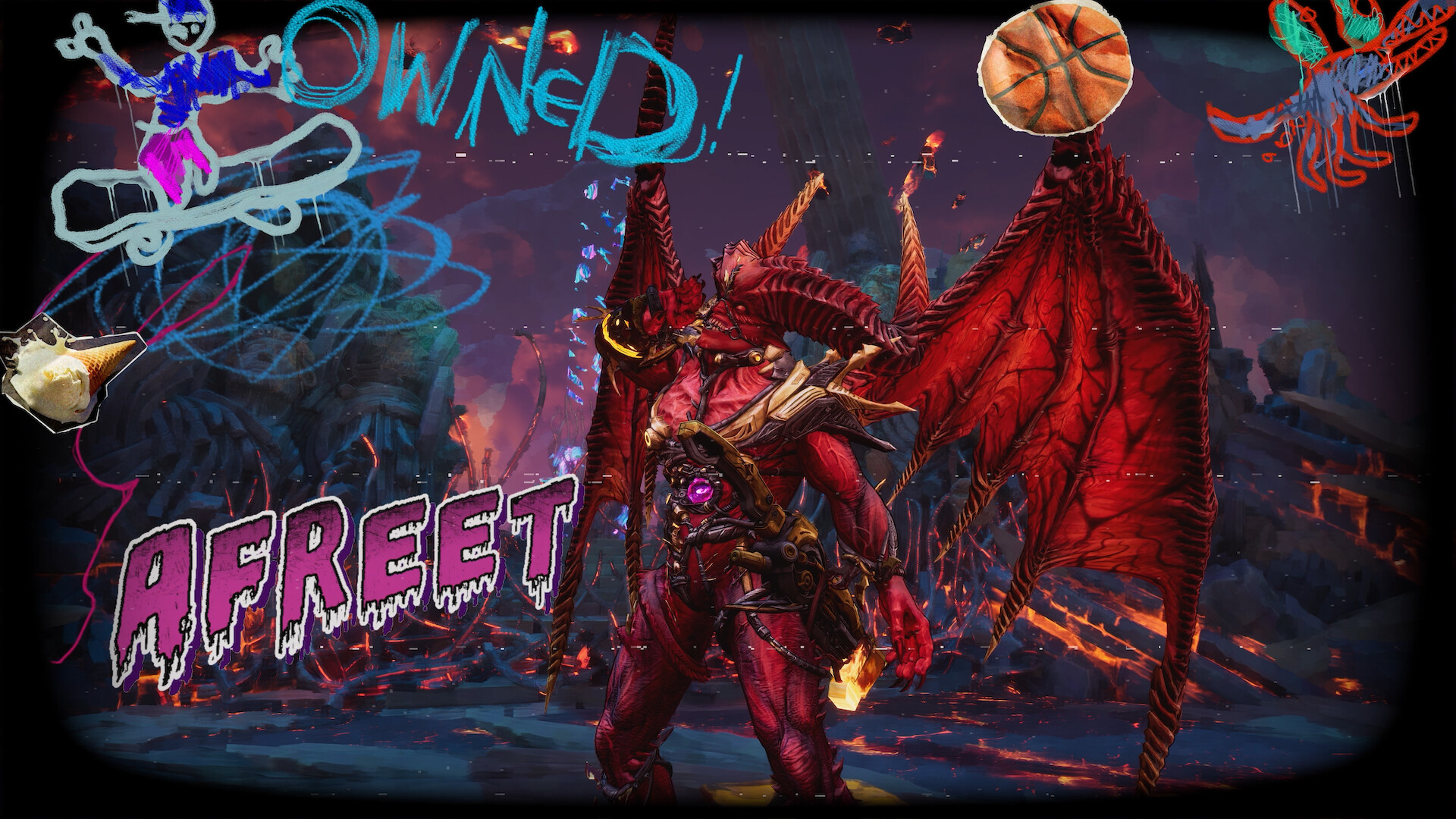
Runs take Davy through underground floors inhabited by skeletons, harpies, lizardmen, and larger creatures. Some areas change their appearance and layout, but many follow a similar sequence: enter an enclosed space, defeat a group of monsters, and move on. The game tries to offset that routine with tougher bosses that demand an understanding of their attacks, careful parries, and clever use of absorbed powers. This should be where transformations have the most meaningful impact.
Famitsu and Dengeki Online see the bosses as an incentive to master the combat, while CritViews appreciates attack patterns that are easier to follow than the chaos of crowded encounters. RPG Site describes fights that require preparation and sometimes specific resistance to status effects. That can be satisfying, but if a crucial upgrade appears randomly, your chances of winning may depend partly on luck rather than just skill.
Opinions of the dungeons themselves are considerably less favorable. SpazioGames, Gamesurf, and MeriStation describe linear rooms and activities that change too little between runs. GameBlast argues that the environments and creatures look distinctive, but the enemy combinations and objectives don't always take advantage of that personality. GamerSky sees many floors as prefabricated segments reused with limited changes instead of places that call for a fresh approach. Camera issues and flying enemies make things worse when you waste precious seconds chasing a target.
Boss battles provide some of the game's most demanding moments, but reaching them often uses up too much patience. Fewer repeated rooms and more situations built around using transformations in different ways would have made exploration much stronger. Without that variety, each dungeon floor feels primarily like preparation for the next meaningful fight.
Critical breakdown
Dungeons and BossesA Punk World Full of Ideas, With a Story That Doesn't Work for Everyone
Stupid Never Dies has a striking visual identity. Classic horror-movie monsters are mixed with graffiti, stickers, edited photographs, pop-punk fashion, and menus that seem assembled by hand. The abandoned shopping mall is more than a place to buy upgrades: it's a small community of ridiculous creatures. Dr. Frank uses Davy for his own schemes, while Bessie, Acelino, and the other characters make every return to base another encounter with this strange world.
RPG Site, SpazioGames, Famitsu, and CritViews praise the way the art direction combines influences that shouldn't fit together on paper. GameBlast finds the supporting cast and reinterpretations of familiar monsters among the best parts of the experience. PSX Brasil enjoys the effects, color choices, and voice acting, although it finds the music less memorable. TheSixthAxis is more skeptical of the soundtrack, arguing that the tracks don't match the personality of the art, despite all the nods to punk culture.
The writing proves more controversial. Davy wants to bring Julia back to life despite knowing almost nothing about her: falling for a dead girl frozen in a shopping mall is a deliberately uncomfortable premise. GameSpot points out that Julia has no say in any of this and that the protagonist's romantic fantasies can feel creepy; GamerSky raises similar concerns. TheSixthAxis enjoys the absurd character designs but finds the dialogue and jokes less successful. Other outlets, including Famitsu and Gamatomic, see that very absurdity as part of the story's charm.
Presentation is the project's safest success. Its colors, direction, and characterization give it a personality that few action RPGs can match. The story works best as an over-the-top comedy, but not every joke lands, and the treatment of Julia may put some players off. Even so, the world gives you a genuine reason to keep going when the mechanics start repeating themselves.
Critical breakdown
Presentation and CharactersRPG Site · SpazioGames · Gamesurf · Famitsu · Dengeki Online · Hobby Consolas · MeriStation · PSX Brasil · GameBlast · ActuGaming · Gamatomic · CritViews