

The Legend of Zelda: Ocarina of Time: What Critics Think of the Remake
19 professional reviews · press coverage through November 4, 2026
The Legend of Zelda: Ocarina of Time returns on Nintendo Switch 2 as a full remake of the adventure originally released for Nintendo 64 in 1998. It's an action-adventure that follows Link across the kingdom of Hyrule, exploring different areas, fighting enemies, and solving dungeon puzzles to obtain new tools and progress through the story. Nintendo has completely rebuilt the graphics, expanded the dialogue, and modernized the controls, while preserving almost all of the original structure. That faithfulness is precisely what divides reviewers. For some, it proves that Ocarina of Time has lost none of its charm. Others believe Nintendo could have been bolder, particularly with combat difficulty and certain puzzles that now feel far too simple.
Consensus map
Where Critics Agree and Disagree
The most important points raised across reviews of the remake.
Clever temples that remain a joy to explore.
Some solutions have become too obvious.
Takeaway The design holds up beautifully, but not every simplification works.
The camera and inventory make a huge difference.
Bosses and enemies struggle to keep up.
Takeaway Link has improved more than his enemies.
Secrets, characters, and progression still work.
The central field shows its age.
Takeaway A compact world that rewards curiosity.
Visuals, music, and voice acting enhance the original.
Few genuine surprises for returning veterans.
Takeaway A beautiful restoration, but a less ambitious reinterpretation.
Dungeons and Puzzles: Does the 1998 Masterpiece Still Hold Up?
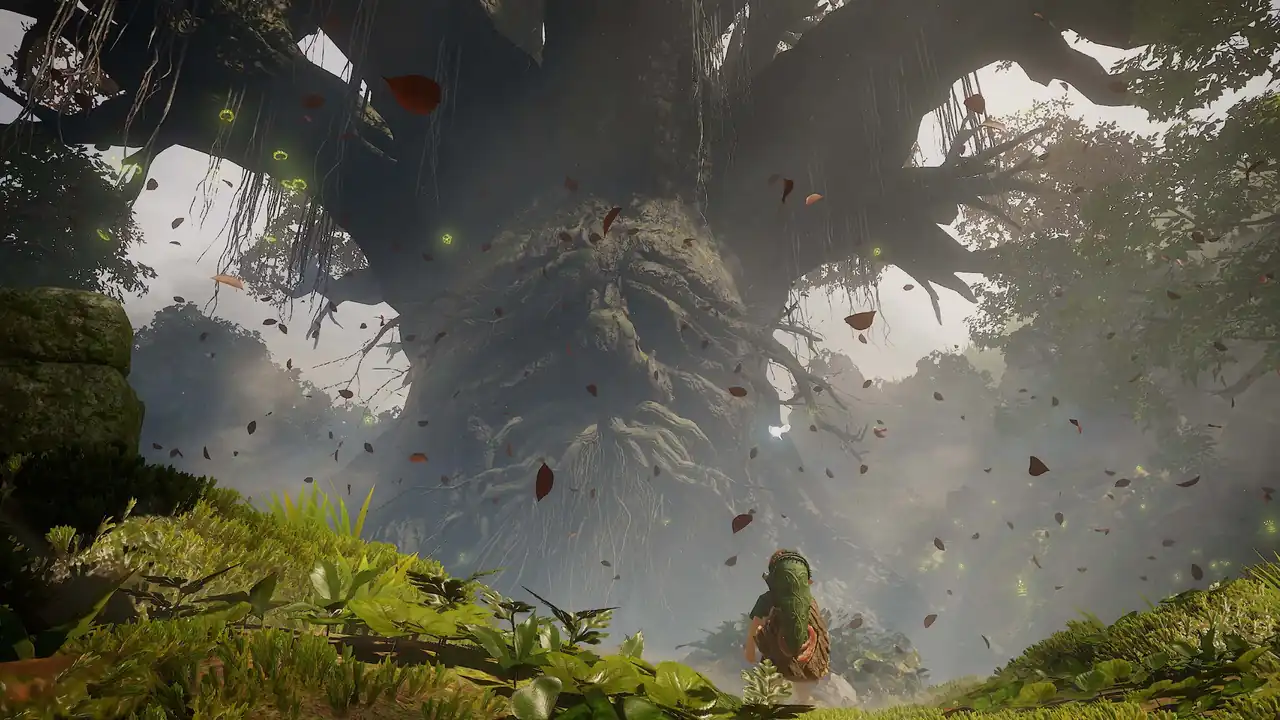
You enter a temple, find a special item, and have to work out how to use it to reach new rooms. Sometimes the solution involves a single puzzle. Other times, you need to understand how the entire building fits together. In the Water Temple, for example, changing the water level determines which paths you can reach. In the Forest Temple, you navigate twisting corridors and different wings of the same building. These ideas are almost thirty years old, yet most reviewers still consider them among the best the series has ever produced.
Skill Up is particularly enthusiastic about how each temple revolves around a specific theme. It isn't just about appearance: the mechanics, enemies, and puzzles all belong to the same design. GameSpot also defends this approach. Newer Zelda games often let you solve problems in different ways, whereas here Nintendo designed a specific solution that you have to discover. According to GameSpot, working within those limitations can be just as satisfying. SpazioGames, Vandal, and several other outlets agree that these dungeons have lost very little of their appeal.
The remake doesn't simply reproduce them unchanged, though. Some rooms have been modified, certain passages are easier, and the Water Temple requires fewer small keys. That last decision has been particularly divisive. For PPE and ActuGaming, making navigation less cumbersome helps players focus on the dungeons' best ideas. Skill Up believes the Water Temple can still leave you disoriented and force you to think about how its rooms connect, despite the adjustments.
IGN, however, considers some of the changes excessive. Logan Plant completed the remake twice and reports that certain doors are now much closer to their corresponding keys, reducing the need to think about the entire maze. Elsewhere, surfaces that once required you to figure out when to use the Hookshot have been replaced with immediately identifiable targets. That's a meaningful difference. If you recognize the symbol and already know which item to use, you've solved part of the puzzle before you even start thinking about it. RPG Site and Multiplayer.it also identify situations where the guidance becomes too heavy-handed.
That doesn't mean Nintendo has ruined the dungeons. Even IGN still considers them excellent and acknowledges that some puzzles have improved. Our assessment is positive precisely because the most important work was already done in 1998. These temples remain exceptionally carefully constructed spaces where one room affects another. The weakness lies in changes that remove not only frustrating obstacles but also that moment of satisfaction when you finally figure out how to proceed. Newcomers will still have plenty to discover, while veterans may feel that loss more strongly.
Critical breakdown
Dungeons and PuzzlesSpazioGames · Jeuxvideo.com · GamePro · Gameswelt · Vandal · MeriStation · GRYOnline · PPE · Nintendo Blast · GAME Watch · Skill Up · GameSpot · GamesRadar+ · Destructoid
Multiplayer.it · ActuGaming · IGN · RPG Site
Controls and Inventory: The Biggest Improvements Aren't the Flashiest Ones
The remake introduces manual jumping, sprinting, and a camera you can control freely with the right stick. These changes let Link move far more precisely than he could on Nintendo 64, but the improvement that really affects everyday play concerns items. Boots and other frequently used tools can be assigned to the D-pad, while a quick-selection menu inspired by Breath of the Wild lets you switch equipment without constantly interrupting the adventure. Gyro aiming also makes using the bow and slingshot feel much more natural.
Skill Up considers the new inventory one of Nintendo's best decisions. Anyone who remembers how often you had to open a menu to switch the Iron Boots in the Water Temple can easily understand why. Multiplayer.it reaches a similar conclusion, emphasizing how quick access to equipment improves the pace of almost every activity. Vandal and IGN also appreciate the increased precision of movement and aiming. IGN reports using the slingshot far more often simply because it's now easy to aim while moving.
Not every change has the same impact, however. Skill Up thinks jumping and sprinting matter less than they might initially appear to, because the world hasn't been redesigned to take full advantage of them. There aren't entirely new platforming sections built around free jumping. GameSpot, on the other hand, places enormous value on the new button. Being able to choose exactly when to jump makes even familiar sections feel more natural, especially those that originally required you to line Link up precisely with an edge. These are different opinions, but they aren't incompatible. A new control can make movement much more enjoyable without transforming level design.
Some strange limitations remain, too. RPG Site criticizes the ability to equip only one main item at a time, despite having a quick-selection menu. Gameswelt points to a few awkward steps that remain when assigning masks and accessories. These are minor problems compared with the constant equipment swapping required by the original, but they show that Nintendo hasn't completely rethought every part of the system.
Modernization works extremely well here. Nintendo has removed plenty of repetitive actions without changing how the adventure fundamentally works. Free jumping doesn't automatically make puzzles more interesting, but the camera, inventory, and aiming improve actions you'll repeat for dozens of hours. That consistent improvement, more than any single new feature, makes the remake considerably more enjoyable to control.
Critical breakdown
Controls and InventorySpazioGames · Multiplayer.it · ActuGaming · GamePro · Vandal · MeriStation · GRYOnline · PPE · Nintendo Blast · GAME Watch · Skill Up · GameSpot · IGN · Destructoid · GamesRadar+
Combat and Bosses: Link Has Improved More Than His Enemies
Fighting feels more fluid. Link moves quickly, gives you greater control over the camera, and attacks with much more detailed animations. His opponents, however, still follow relatively simple patterns. You watch an attack, dodge or block it, and take advantage of the moment when an enemy lowers its guard. It's a system that works well in an adventure where combat, puzzles, and exploration are equally important, but one that rarely poses much of a challenge today.
IGN reports enjoying the fights, particularly when several enemies attack in confined spaces. Yet it's precisely the improved controls that expose the enemies' age. Nintendo originally designed them around a 1998 control scheme, whereas Link can now move and aim with far greater precision. Destructoid reaches a similar conclusion after more than twenty-five hours, while still finding combat enjoyable. ActuGaming notes that enemies sometimes attempt to flank you, but rarely put much pressure on you as a group.
The criticism becomes stronger when it comes to bosses. RPG Site describes specific changes that have made them easier, including Phantom Ganon's slower attacks and certain obstacles removed from a miniboss arena. Vandal, PPE, and MeriStation note that many encounters take very few attempts to complete. Nintendo Blast even reports finishing the adventure without dying. The ability to summon a merchant to purchase healing items and ammunition, praised by GameSpot, consequently seems less useful. IGN says it barely needed the feature because resources were already so plentiful.
Skill Up offers a different interpretation. He considers the fights simple, but believes that fits the adventure's fairy-tale nature, where bosses are also creatures you're meant to observe and understand. The point isn't necessarily to demonstrate exceptional swordsmanship, but to find the right solution using the tools you've acquired. This explains why the battles can still work despite being easy. It doesn't completely address the reduced challenge for players who already have plenty of experience with action-adventures, though.
This is where the remake misses a genuine opportunity. Nintendo could have preserved the original difficulty while offering a separate expert mode, perhaps by bringing back Master Quest or making bosses more aggressive. Several reviews ask for something along those lines. Combat remains an enjoyable part of the adventure, but better controls have widened the gap between what Link can do and what his opponents are capable of.
Critical breakdown
Combat and BossesSkill Up · IGN · Destructoid · Vandal · MeriStation · PPE · Nintendo Blast · ActuGaming · Jeuxvideo.com · Gameswelt
Hyrule Is Small by Modern Standards, but It's Still Full of Ideas
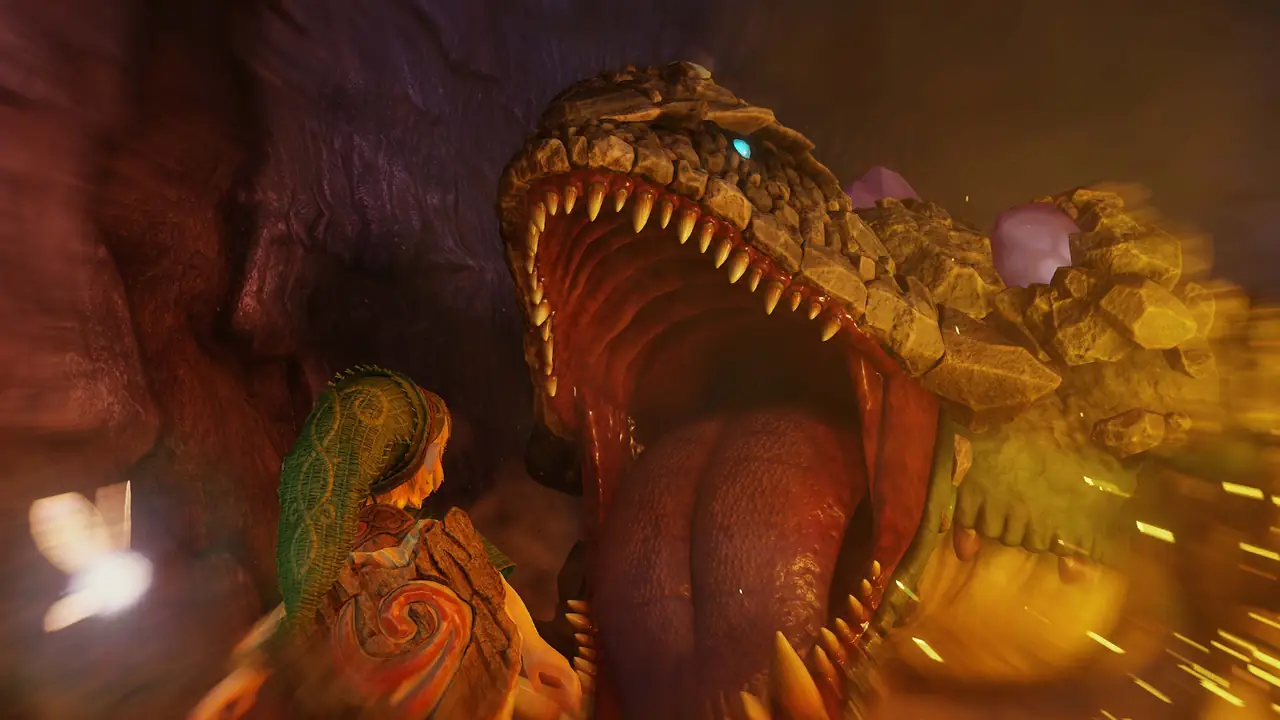
Ocarina of Time sends you from one region of Hyrule to another, introduces you to its inhabitants, and puts obstacles in your path that you'll only be able to overcome later. You find bombs and remember that cracked wall you passed earlier. You learn a melody and can quickly reach a new destination. You discover an item in a dungeon and realize it can also open hidden paths in the wider world. It's a very different structure from Breath of the Wild, but it preserves an essential quality. Almost every new ability gives you a good reason to backtrack and return to places you've already visited.
IGN strongly defends this compact design. The distances between locations are short enough to make revisiting them enjoyable, particularly after acquiring Epona or learning fast-travel melodies. GameSpot appreciates the number of characters, activities, and secrets scattered along the way. You can help someone recover their chickens, discover hidden passages, collect Gold Skulltulas, or follow a lead from a conversation. Many secrets exist simply to reward players who are curious enough to look for them.
The remake makes this world feel more alive through additional dialogue and daily routines. Characters can change location as the hours pass, and some conversations offer further information about Hyrule and its inhabitants. Multiplayer.it particularly appreciates the expanded writing, while Nintendo Blast and Omelete highlight the care taken in rebuilding familiar locations. The quest log also helps you remember what to do without turning every objective into a step-by-step route.
The most obvious limitation remains Hyrule Field. SpazioGames, GRYOnline, and Jeuxvideo.com consider it an environment that shows its age, with large spaces and relatively few activities compared with contemporary open worlds. Nintendo Blast agrees, although it doesn't think this undermines the adventure. The contrast with the richness of the villages and dungeons is considerable, especially when you're crossing the field before unlocking faster ways to travel.
We think it's important to distinguish the size of the world from the quality of what you discover. The central field is sparsely populated, and spectacular graphics don't change how it functions. But Hyrule as a whole is designed as a network of smaller interconnected locations, where something you learn in one place often lets you do something new elsewhere. A world doesn't need to be enormous to offer rewarding exploration. The original structure remains effective precisely because each journey usually has a clear purpose.
Critical breakdown
Hyrule and ExplorationIGN · GameSpot · Skill Up · Vandal · MeriStation · Multiplayer.it · ActuGaming · PPE · GAME Watch · Destructoid · GamesRadar+ · Omelete
A Better-Told Fairy Tale, Set in a Beautiful World
The story remains the same: Link meets Zelda, faces the threat of Ganondorf, and embarks on a journey between childhood and adulthood. Nintendo hasn't changed the main events, but it has expanded many conversations, added cutscenes, and given the characters voices. This lets their relationships come through more clearly and gives greater weight to moments that, in 1998, had to communicate almost everything through a handful of animations and short lines of dialogue.
Skill Up finds this presentation particularly well suited to the adventure's fairy-tale nature. He believes the remake makes it easier to appreciate characters and situations that once took a back seat to the game's technological breakthroughs. GameSpot points to the farewell between Link and Saria as an example of how a small animated gesture can make a scene more meaningful. Multiplayer.it and PPE also appreciate the work done on the dialogue. GameSpot does raise one specific criticism, however. An important plot twist involving a character is less convincing now that the new model and voice make the original mystery harder to maintain.
It's the audiovisual overhaul that brings almost all the reviewers together. The new Hyrule features much more detailed materials, dense vegetation, and lighting that dramatically changes the atmosphere of its environments. Skill Up focuses on how light is used inside the dungeons, especially the Forest Temple, where colored flames shape the appearance of different wings of the building. Gameswelt and GamePro also appreciate how the new graphics enhance the original's fairy-tale personality without chasing a kind of realism that wouldn't suit it.
Koji Kondo's soundtrack has received new orchestral arrangements and now accompanies the additional scenes as well. Skill Up considers the music one of the most impressive parts of the game, reminding us how central Ocarina of Time's melodies remain to the identity of the series. The remake even lets you use the Switch 2 microphone to hum the melodies you've learned and have Link perform them. It's an optional feature, but one that fits an adventure where music opens paths and changes the world.
Technically, reviews describe generally stable performance at 60 frames per second, including in handheld mode. There are a few visual flaws, however. Skill Up reports upscaling artifacts, especially around fine details and in large spaces. Gameswelt and SpazioGames also note aliasing and occasional objects appearing at short distances. These issues shouldn't be confused with widespread performance drops: the available reviews generally consider the frame rate very good.
The new presentation does more than impress at first glance. It genuinely helps tell the story and makes important locations, people, and moments stand out. Some choices may not appeal to players who preferred the Nintendo 64's more abstract look, and not every technical detail is flawless. But the overall quality is high enough to make the overhaul one of the remake's greatest achievements. Nintendo has brought the world to life again without changing its character.
Critical breakdown
Story, Graphics, and SoundSpazioGames · Multiplayer.it · ActuGaming · Jeuxvideo.com · Gameswelt · Vandal · MeriStation · GRYOnline · PPE · Omelete · Nintendo Blast · GAME Watch · Skill Up · IGN · GamesRadar+ · Destructoid
Faithfulness or Innovation: Should Nintendo Have Changed More?
The remake adds plenty of small features, but it doesn't radically change Ocarina of Time's structure. Progression, most dungeon rooms, essential items, and major story events remain the same. There are new conversations, puzzle adjustments, an illustrated quest log, and the Hall of Fallen Foes, where you can admire defeated enemies and challenge bosses again. What you won't find are major new dungeons, a new campaign, or Master Quest. For players who know the adventure by heart, most of the biggest surprises therefore come from its presentation and smaller details.
GameSpot defends this decision, seeing the remake as an example of how to update a classic without sacrificing what makes it special. Destructoid, despite not having been particularly attached to the series in the past, also considers the improvements sufficient to make this the best version for newcomers. Nintendo Blast and Omelete largely share that assessment. The new graphics, controls, and dialogue provide a good reason to return to Hyrule, even without an entirely different adventure.
The criticisms, however, are numerous and specific. Vandal and MeriStation would have liked more surprises for veterans. ActuGaming considers the absence of genuinely new content one of the remake's main weaknesses. RPG Site is particularly critical of the Hall of Fallen Foes, which offers little incentive to repeat encounters, and the single save slot. That last decision makes it inconvenient to keep a completed playthrough while starting another without creating a different profile on the console. IGN, meanwhile, believes a higher difficulty setting would have given greater purpose even to some of the new mechanics, such as the summonable merchant.
Skill Up takes the discussion somewhere even more interesting. He believes Nintendo chose to preserve the experience of 1998 rather than recreate the impact it had when it first released. Back then, the three-dimensional graphics, enemy targeting, and freedom to explore Hyrule were enormous innovations. Today, they're familiar features found in countless games that Ocarina of Time itself helped inspire. To surprise the people who experienced that era all over again, he argues, Nintendo would have needed a much more ambitious reinterpretation.
His conclusion is that this remake has particular value for a new generation, perhaps the children and grandchildren of those who played the original. It's an interesting interpretation, but we wouldn't adopt it entirely. You don't have to be a child to appreciate a well-designed adventure, nor do you have to have played the original to want a greater challenge. The more relevant question is how well its mechanics can still engage people who are accustomed to contemporary games.
On this point, our position is fairly clear. Preserving the dungeons, the structure of the world, and the pacing of the story was a reasonable decision, because those parts still work exceptionally well. But adding a higher difficulty setting, more save slots, and more substantial optional activities wouldn't have required changing the original experience. The remake is excellent as a restoration and as a new way into Hyrule. It's less convincing when you're looking for reasons to start over again despite already knowing every secret.
Critical breakdown
Faithfulness and New ContentGameSpot · SpazioGames · Destructoid · Nintendo Blast · Omelete · GAME Watch
Skill Up · IGN · RPG Site · Multiplayer.it · ActuGaming · Vandal · MeriStation · PPE · Gameswelt · GRYOnline · Jeuxvideo.com · GamesRadar+ · GamePro


Show original