


Valor Mortis: What Critics Think
20 professional reviews · press coverage through October 13, 2026
A soldier in Napoleon's army comes back to life in a Europe devastated by war and a mysterious plague. Around him are other soldiers transformed into monsters, hideous creatures, and an empire that seems to have completely lost control. Valor Mortis is a first-person Soulslike from One More Level, the studio behind Ghostrunner. You fight with swords, firearms, and supernatural powers, but you also need to explore, find shortcuts, and get through platforming sections. We've compared what we consider the most authoritative international press reviews available when the embargo lifted. The result is quite interesting: almost everyone agrees that the combat works, but opinions differ considerably when it comes to difficulty, progression, and how well the adventure holds together.
Consensus map
Where the press agrees and disagrees
The main points emerging from international reviews.
Precise, aggressive, and satisfying duels.
First-person makes group encounters harder to manage.
TakeawayThe combat works best in one-on-one fights.
Weapons and powers work well together.
Few genuinely different character builds.
TakeawayGood combinations, limited customisation.
Challenging bosses and intense encounters.
Difficulty and balance vary considerably.
TakeawayThe best fights impress, but not all of them.
Strong atmosphere, secrets, and shortcuts.
Linear routes and occasionally clumsy parkour.
TakeawayExploration is more enjoyable than its rewards.
Excellent atmosphere and art direction.
Inconsistent performance, stability, and pacing.
TakeawayA convincing world with technical problems.
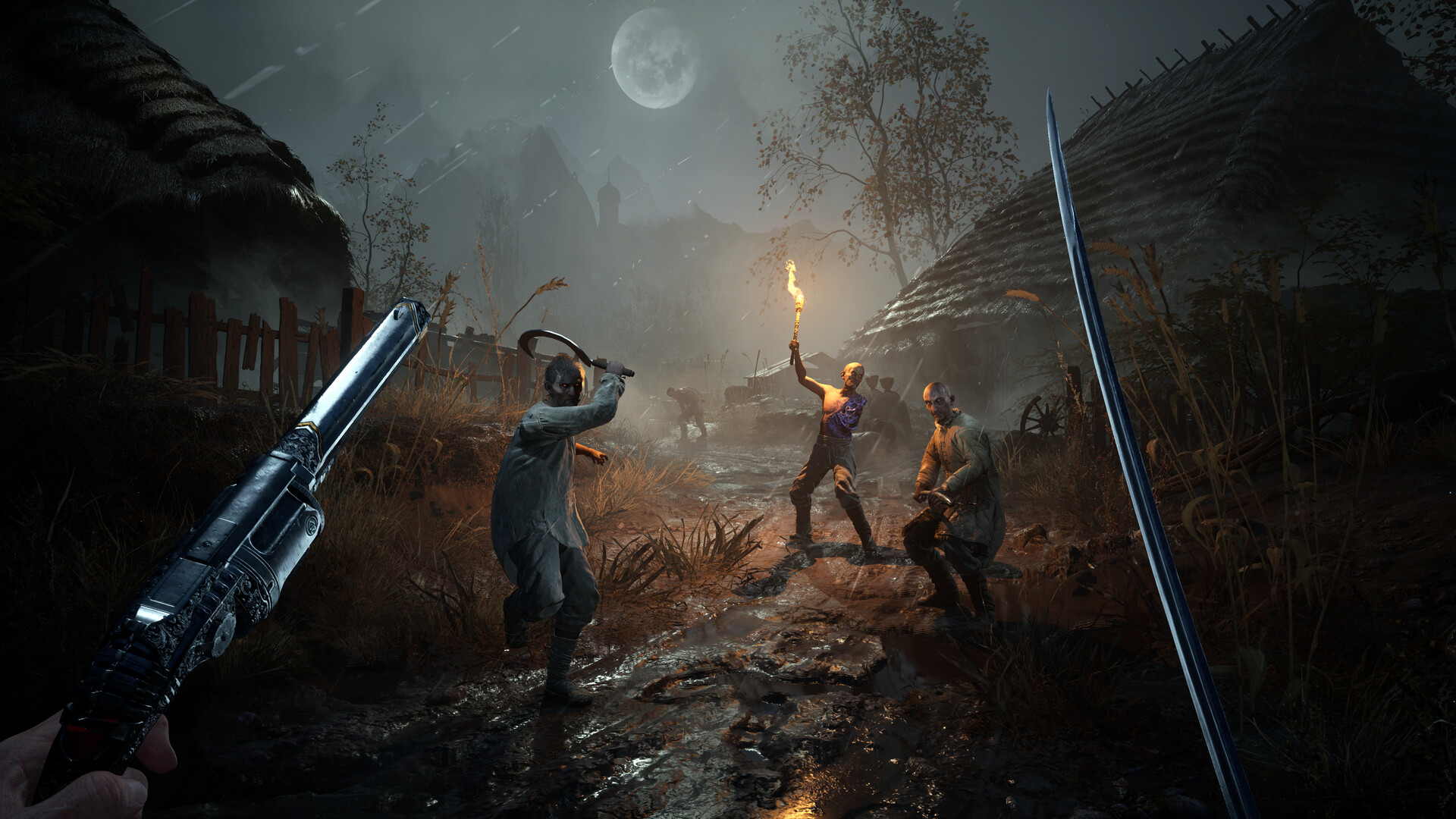
First-person combat works, especially when you're fighting one enemy at a time
In Valor Mortis, you need to watch your enemies, decide when to attack, when to dodge, and, most importantly, when to parry. A well-timed parry damages an enemy's posture and eventually creates an opportunity to deal serious damage. You can also use pistols, muskets, and supernatural powers, but you can't attack endlessly without thinking about your stamina. The system has a lot in common with Sekiro, with one major difference: here, the enemy is practically right in front of your face.
That first-person perspective makes duels particularly intense. You see the enemy's weapon coming towards you, have to recognise their movement, and respond almost immediately. Several reviews consider this the best part of the game. Even though the number of available tools is relatively small, the combat maintains a good pace thanks to the constant switching between attacks, parries, firearms, and magic.
ACG is especially enthusiastic about how these mechanics work together. In his review, he explains how you can parry a weaker enemy to activate a temporary damage bonus, then immediately use it against a stronger opponent. Or you can fire a pistol to damage an enemy's posture and follow up with a melee attack. What matters isn't simply having several weapons. It's discovering combinations that work during the same encounter.
Fextralife also enjoys the combat, particularly its emphasis on parrying and the satisfaction of overcoming difficult opponents. Its criticisms focus more on what happens around that system. One-on-one fights work well, but such a close perspective can become a problem when enemies approach from different directions.
And that's the most common limitation. TechRadar notes that fighting multiple enemies, especially in tight spaces, can become frustrating because you can't see what's happening beside or behind you. Sometimes you simply don't have enough information to understand where the next attack is coming from. Certain ambushes take advantage of that limitation rather than genuinely testing your abilities.
Combat is still the most convincing part of Valor Mortis. Weapons have a satisfying sense of weight, parrying feels rewarding, and your offensive options let you approach encounters in different ways. First-person isn't just a visual change: it genuinely affects how you fight. The problem appears when encounters require you to keep track of too many threats at once, because that's when the game asks you to react to things the camera cannot show you.
Critical breakdown
First-person combatACG · Fextralife · Game Informer · Destructoid · GameHope · GamePro · Everyeye · GRY-Online · CD-Action · Gamekult
GamesRadar+ · TechRadar · GameSurf · OtakuPT
Upgrades work well together, but character builds lack variety
Valor Mortis doesn't offer the enormous collection of weapons and character builds found in many Soulslikes. William has a relatively small arsenal of melee weapons, firearms, and supernatural powers called transmutations. You can upgrade them and choose passive abilities, but you can't create dozens of completely different characters. It's a decision that simplifies the game, and reviewers have very different opinions about the result.
According to ACG, that simplicity is exactly what allows the abilities to work so well together. A special bullet can interrupt an enemy's attack, while another ability lets you recover ammunition or take advantage of elemental effects. Some upgrades improve parries, while others increase damage after a dodge. You don't need to keep changing equipment. Once you understand the combinations, you can turn a small collection of tools into a very effective combat system.
Fextralife identifies a significant limitation, though. The main weapons and spells are few, and everyone obtains them through normal progression, so players end up with essentially the same arsenal. The skill tree also focuses mainly on passive upgrades, such as increased health, stamina, or damage. Some abilities are clearly more useful than others, making it likely that many players will end up with very similar builds.
The same applies to ambers, accessories that work much like rings or talismans in Dark Souls. An item that restores health after a critical attack, for example, can be so useful that several alternatives become less appealing. Other reviews also point out that character progression doesn't offer the same depth as more complicated games in the genre.
These observations aren't really contradictory. A system can offer excellent combinations during combat while still providing limited variety when building a character. Its strength is how effectively you can use the tools you have. Its weakness is that the most effective choices may almost always be the same. That compromise can work in an adventure focused on combat, but anyone looking for an RPG with lots of different builds will find progression fairly restrictive.
Critical breakdown
Progression and ability combinationsACG · GamePro · Destructoid
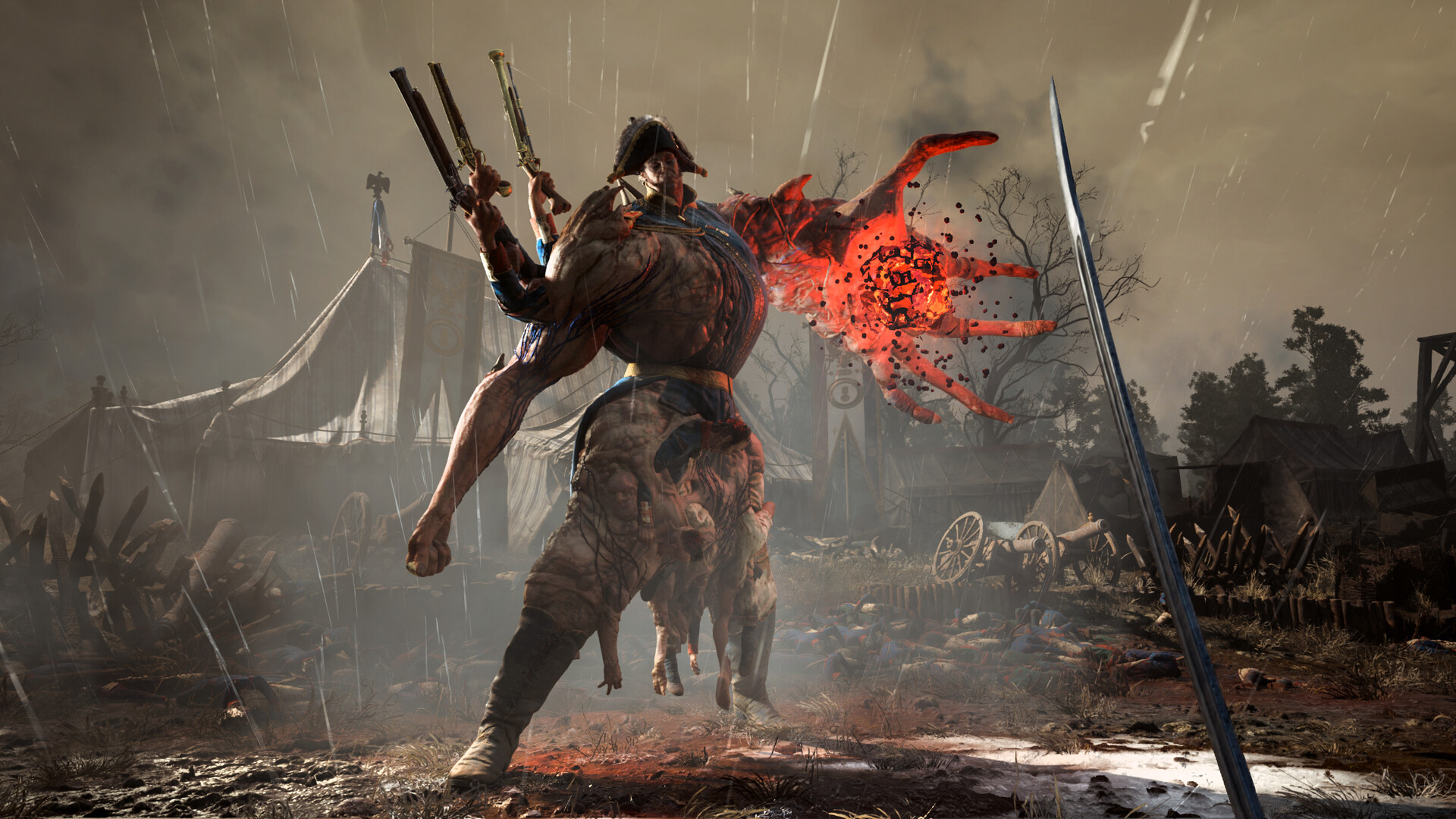
Exploration is enjoyable, but the routes and rewards don't always convince
Valor Mortis isn't an open-world game. The adventure is divided into areas you explore one after another, finding shortcuts, hidden passages, and locations that become accessible only after unlocking certain abilities. There isn't a traditional map, so you have to remember where you've been and pay attention to landmarks. The structure combines Soulslike and Metroidvania elements, with parkour mechanics inherited from Ghostrunner.
You can run along certain walls, use a grappling hook, swing across gaps, and reach high platforms. These abilities help you overcome mandatory obstacles, but also let you search for optional routes. ACG particularly appreciates the vertical environments and how shortcuts connect different areas. He also likes the absence of a map because the environments provide enough landmarks to understand where you're going, although he acknowledges that some players may struggle to find their way.
Fextralife is less enthusiastic about the overall structure. Areas contain diversions and secrets, but the main routes remain fairly linear. There's also a problem with the rewards. Exploration often provides upgrade materials or passive accessories. Since weapons and spells are obtained through normal progression, you lose some of the excitement of finding an entirely new piece of equipment hidden somewhere in the world.
Platforming divides critics even further. Some reviews appreciate being able to use acrobatic abilities in a Soulslike, while others find the movement imprecise. GamesRadar+ describes frustrating moments, especially when a mistake forces you to repeat a sequence. Fextralife, on the other hand, finds ledge-grabbing and wall-running generally forgiving. ACG also acknowledges occasional awkward jumps, but believes the system improves as you unlock more abilities.
Side quests add something more interesting. Some involve helping spirits trapped in this devastated world, uncovering small stories through the environment and the characters you encounter. ACG finds several of these episodes more engaging than the main plot. They give you another reason to search for alternative paths beyond simply collecting upgrade materials.
Exploration is therefore most successful in the way its environments are constructed and how they encourage you to look for hidden routes. Parkour adds variety, although it doesn't always provide the precision required by its more demanding sequences. The bigger limitation is the reward system: when you expect to find more upgrade materials behind almost every hidden passage, curiosity starts to fade. The game encourages exploration, but could have done more to make the discoveries themselves exciting.
Critical breakdown
Exploration and parkourACG · GamePro · Destructoid · GRY-Online · GameHope · Everyeye
Fextralife · Game Informer · OtakuPT · TechRadar
Difficulty changes considerably throughout the adventure
Valor Mortis asks you to learn enemy attack patterns and punishes mistakes, but reviewers describe very different experiences. Some consider the opening hours particularly difficult, when you have few abilities and are still learning how to parry. Others find the adventure relatively accessible once they understand how the combat system works.
Game Informer describes an overly punishing opening, with situations where difficulty seems to come more from the balance of encounters than from the player's abilities. GameStar also reports a disappointing start, followed by a clear improvement. Its review becomes considerably more positive because, once you get past those early sections, the game provides better tools and more interesting encounters.
CD-Action, on the other hand, considers Valor Mortis relatively easy by the genre's standards. That doesn't mean enemies are harmless, but rather that the options available to the player can make the experience much more manageable. Fextralife generally enjoys the bosses too, describing them as varied and entertaining, while acknowledging that first-person removes some of the spectacle associated with third-person boss fights.
Criticism of the bosses mainly concerns balance and specific situations. ACG reports problems with arena geometry, where enemies and the player can become stuck in awkward positions. Other reviews point out that the actual range of certain attacks isn't always easy to judge, while some encounters demand more precision than the controls seem able to provide.
These differences make it difficult to describe Valor Mortis as simply easy or hard. Its combat system strongly rewards learning parry timing and discovering effective ability combinations. As a result, difficulty can change considerably as you understand the mechanics and unlock new tools. The best bosses take advantage of that progression, but weaker encounters can end up feeling either unfair or surprisingly easy.
Balance is therefore less convincing than the combat system itself. The foundation is strong enough to support satisfying challenges, but not every encounter uses it equally well. The difficulty of the opening hours and occasional problems with boss arenas matter because they interrupt a system that otherwise gives the player a rewarding sense of control.
Critical breakdown
Bosses and difficulty balanceFextralife · Destructoid · GameHope · CD-Action
ACG · GRY-Online · GamePro · GamesRadar+ · TechRadar · OtakuPT
The setting is more convincing than the story, while technical issues cause problems
Valor Mortis' alternative version of Europe is one of its most distinctive features. Devastated battlefields, abandoned villages, military fortifications, and ruined cities tell the story of a war that has turned into something much worse. The plague has deformed the soldiers and transformed familiar environments into threatening, unsettling places. The art direction receives considerable praise, particularly for combining historical references with supernatural horror.
The world has a strong identity, but the main story is less convincing. William is trying to understand why he has returned to life and what caused the plague. The story unfolds through conversations, documents, and memories, with historical figures reimagined through a horror setting. Fextralife finds the setting interesting but considers several plot developments predictable. ACG reaches a similar conclusion: the main story provides enough motivation to continue, but some side quests are more engaging.
The sound design receives much stronger praise. Vincent Cassel plays Napoleon, Jennifer English voices Shrike, and James Alexander plays William. ACG particularly emphasises the importance of positional audio: hearing an enemy's footsteps behind you or recognising the timing of an attack through sound can be essential in a first-person game. Fextralife also praises the voice acting and sound effects, although it finds the soundtrack rather forgettable.
The technical side is more problematic. Several reviews report stuttering, inconsistent loading, or crashes, but their experiences aren't the same. ACG reports generally good performance on a PC equipped with an RTX 4090, despite occasional slowdowns. Fextralife, using another powerful PC, describes difficulty maintaining a stable frame rate at the highest settings. These are different experiences, and they aren't enough to identify a single cause for the problems.
GamePro is particularly critical of the base PS5 version, which suffers from technical issues that affect its overall assessment. Gamekult also describes a less satisfying experience in the later stages, criticising repetition and execution. Other publications, however, consider the middle and final portions better than the opening. That makes it difficult to identify a decline in quality consistently reported across all reviews.
Valor Mortis ultimately succeeds in building an interesting world, supported by a strong atmosphere and convincing voice acting. The narrative doesn't fully realise the setting's potential, but it provides enough context for the adventure. Technical problems deserve more attention: several publications have reported them across different platforms, even if their frequency and severity vary considerably. This is one area where the game doesn't appear as consistently accomplished as its combat.
Critical breakdown
Presentation and technical performanceACG · Destructoid
Fextralife · GameHope · Everyeye · GameStar · GamesRadar+