July 2026 brings together major returns, new entries connected to established series, and more unusual projects built around distinct ideas. Assassin’s Creed Black Flag Resynced sends Edward Kenway back into the Caribbean with a remake that updates combat, stealth, and sailing, while Sword Art Online: Echoes of Aincrad gives players room to create their own protagonist. Nintendo is expanding the Splatoon universe with Raiders, and Halo: Campaign Evolved faces the challenge of reworking Combat Evolved without moving too far away from its identity. The end of the month also brings the dark fantasy action RPG The Relic: First Guardian and pirate management game Corsair Cove.
Assassin's Creed Black Flag Resynced
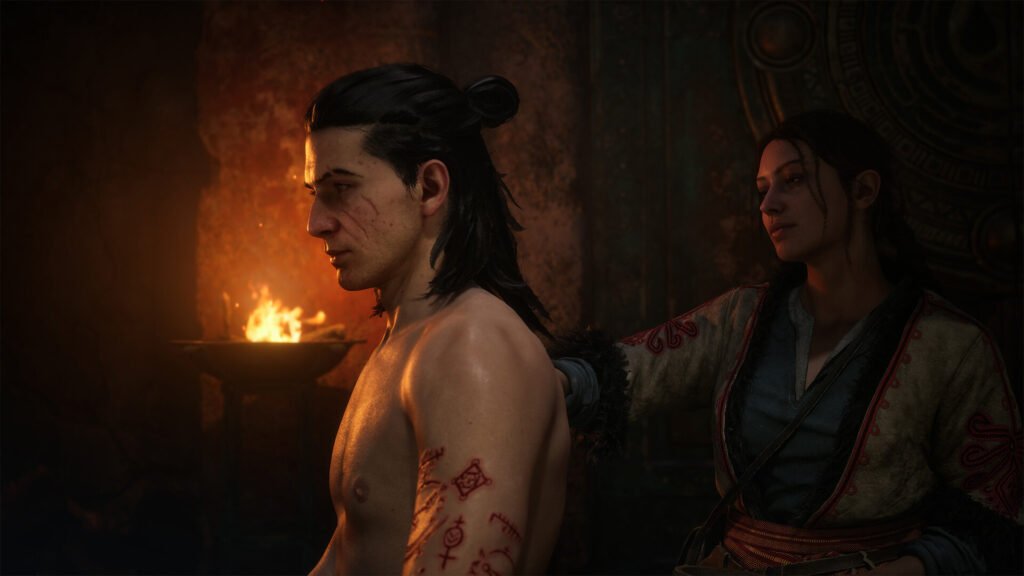
Assassin’s Creed Black Flag Resynced is one of July’s biggest returning games, putting Edward Kenway back at the center of a pirate adventure for PlayStation 5, Xbox Series X|S, and PC. The remake starts from the original game’s structure, retaining its Caribbean world, islands, colonial cities, and balance between land-based activities and naval travel. The project has been rebuilt in Ubisoft’s latest Anvil engine, with refreshed character models, denser environments, modern lighting, and dynamic weather systems. The aim does not appear to be turning Black Flag into a modern role-playing game, but making an action-focused adventure feel more current while retaining the freedom of movement that made the original stand out.
Edward’s story remains the center of the experience, but the remake adds three new contacts with side missions and more content connected to Blackbeard and Stede Bonnet. Naval combat gains new options, including secondary firing functions for Jackdaw weapons, while some mission rewards change how players approach open-sea encounters. Melee combat becomes more technical through expanded combos, dual-sword parries, and quicker use of tools such as the rope dart. Stealth finally benefits from free crouching, while tailing missions have been reduced and made less punishing: getting spotted no longer ends an activity immediately, but leads into direct conflict. The release date is set for July 9.
Echoes of Aincrad
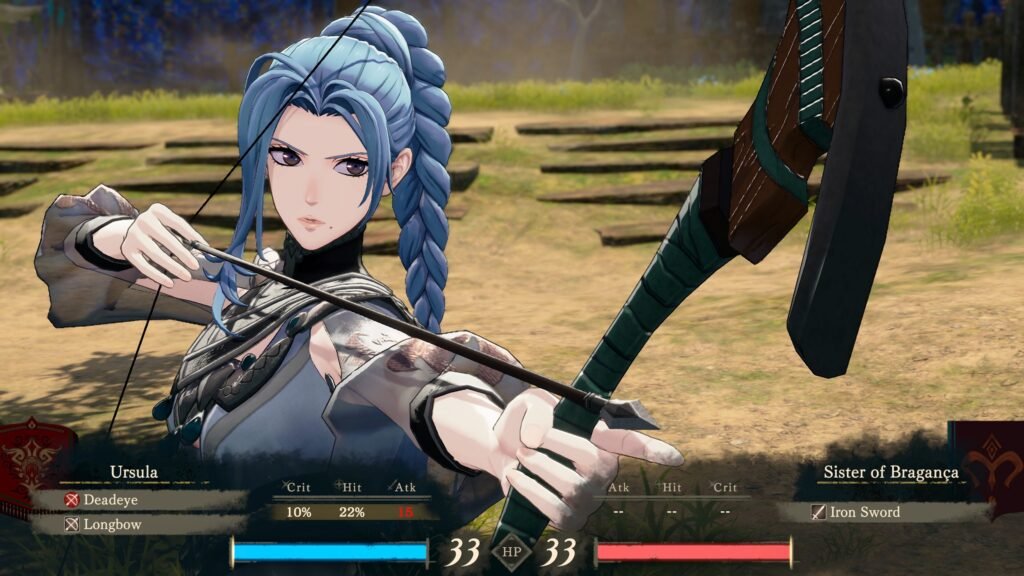
Sword Art Online: Echoes of Aincrad returns to the franchise’s first arc, but it does not place Kirito or the anime’s other famous leads directly under the player’s control. Instead, the adventure follows a new player-created character trapped inside the Sword Art Online world alongside everyone else. The core pressure of Aincrad remains intact: dying in the game means dying in real life. That choice gives the game a different perspective from earlier adaptations, allowing players to experience missions and relationships with recognizable characters in a more personal way instead of simply retracing the original protagonists’ route.
Quests begin at the town’s Main Terminal and can be taken on with a partner selected from the characters met during the journey. That partner is more than decoration. Players can order them to attack, act independently, or focus on defence, changing the flow of combat in meaningful ways. Quest areas are structured as small open spaces with enemies of different levels, map points of interest, chests, and rare equipment that can improve a build. Combat revolves around combos, dodging, responding to heavier attacks, and activating duo moves when specific meters are full. Echoes of Aincrad is therefore aiming for a balance of action RPG combat, exploration, and cooperation with an AI-controlled ally.
Splatoon Raiders
Splatoon Raiders is the series’ first dedicated spin-off for Nintendo Switch 2. It takes the action to the Spirhalite Islands, a new archipelago reached by Deep Cut during an expedition that begins with a lead worth following and quickly turns into disaster. The announcement trailer shows Shiver, Frye, and Big Man flying with the mechanic, the playable character, when a beam of light rises from the center of a vortex. The resulting cyclone brings down their helicopter, leaving the group to deal with a situation far removed from everyday life in Splatsville.
Gameplay details remain limited, but the material available establishes several parts of the setting. The mechanic travels alongside Deep Cut, uses a makeshift weapon, and retains the ability to swim through ink, while the archipelago appears to mix tropical islands, wreckage, industrial structures, and unnatural phenomena. The protagonist’s base is a ship-like structure suspended above a coral reef, suggesting a stable hub between expeditions. Nintendo has not yet shown an extended gameplay session or explained the game’s core modes, but Raiders already stands out because it moves Splatoon’s world away from its familiar competitive focus. The journey through the Spirhalite Islands and Deep Cut’s involvement make it one of the more intriguing releases for players curious to see how the series’ colour, movement, and identity can work inside a new structure.
Halo: Campaign Evolved
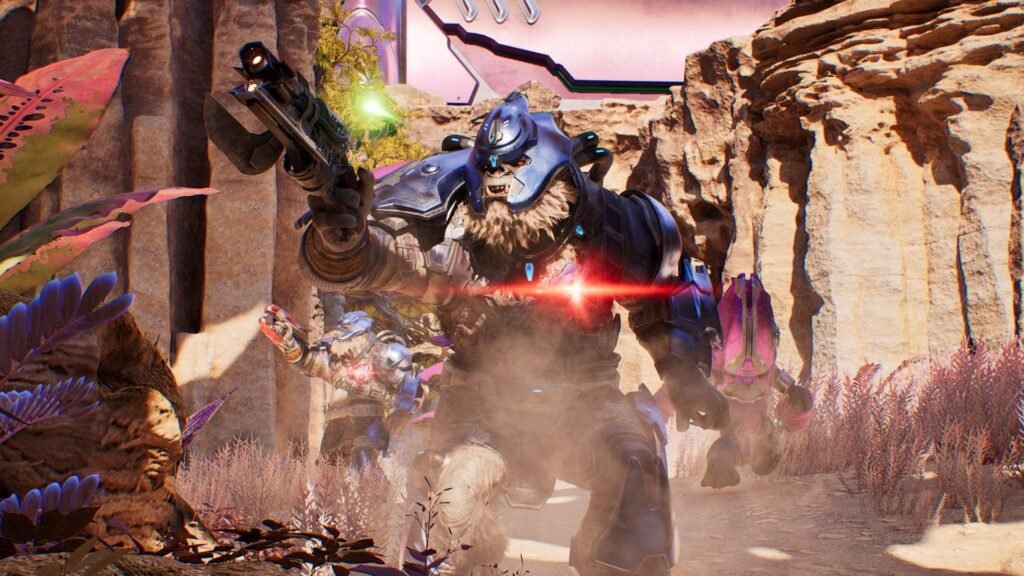
Halo: Campaign Evolved faces a difficult task: revisiting Halo: Combat Evolved with a contemporary presentation without losing the clarity and physical feel that made the first game a landmark first-person shooter. The campaign brings back Master Chief, the Covenant, and some of the original’s most memorable missions, with The Silent Cartographer shown as a very faithful recreation in terms of structure. Its island, beaches, cliffs, and Forerunner architecture receive a new visual treatment built in Unreal Engine 5, while keeping a colder and more minimal look than some of the more elaborate reinterpretations seen in the past.
The control changes are restrained. Master Chief can sprint and use the weapon zoom introduced in Halo Infinite, but does not have slides, clambering, or abilities such as a grappling hook. That decision keeps the pace close to the original instead of turning every arena into a space built for extreme mobility. The project also adds weapons, vehicles, and brand-new prequel missions, expanding the package beyond a visual upgrade. Cutscenes are presented through pre-rendered cinematics, creating a more film-like approach that differs from Combat Evolved’s real-time direction. Halo: Campaign Evolved will launch for Xbox Series X|S, PC, and PlayStation 5, bringing the main Halo series to Sony’s platform for the first time. Its success will depend on whether it can preserve the original sense of discovery while adapting it for a modern audience.
The Relic: First Guardian
The Relic: First Guardian launches on July 31 for PC as an Asian-inspired fantasy action RPG set in Arsiltus, a world transformed into an apocalyptic land after the destruction of the Great Relic. Players become the last Guardian, tasked with collecting the relics left behind and restoring hope to a realm filled with corrupted creatures, broken memories, and bosses shaped by tragic stories. These relics are not simple collectibles. They represent emotions, wishes, and fragments of the people who lived before the catastrophe, giving progression a direct connection to Arsiltus’ past.
Character growth is built around Runes, relics with more than 70 passive effects capable of changing skills, combat pace, and weapon behavior. The system avoids the usual stamina cost for attacking: stamina is reserved for defence and dodging, while skills operate through cooldowns. This design is intended to keep combat flowing while letting players build around their own preferences through five weapon types and twelve exclusive skill trees. Equipment follows an unusual structure as well, since every weapon and piece of armor appears only once in the game world and carries its own history. The journey includes up to 80 bosses, each linked to a personal tragedy and designed to test builds, movement reading, and resource management.
Corsair Cove
Corsair Cove closes July on the 31st for PC with a pirate management game built around turning a small refuge into a fortress capable of standing against the Crown. Developed by Limbic Entertainment and published by Hooded Horse, the game starts on a deserted island with a shipwreck and a small crew of survivors. From there, players build housing, taverns, piers, cannon foundries, and defences, while making use of cliffs, hills, and vertical spaces. Its most interesting idea is the building freedom: the island is not limited to flat plots, and every settlement requires careful thinking about height, connections, and efficient routes.
Management revolves around large production chains, with more than 50 goods to manufacture and distribute, from food and weapons to clothing and supplies required to equip ships. The crew has different needs based on role, meaning sailors, craftspeople, specialists, and experienced pirates all require resources, comfort, and the right tools to remain loyal. Bridges, ziplines, and other contraptions move goods across ravines and cliffs, while expansion forces players to seek distant resources and defend against the Crown’s forces. At sea, players build fleets, hire captains, explore islands, tackle events, and fight turn-based naval battles. Four development paths — Notoriety, Empire, Seafaring, and Wealth — unlock buildings, production systems, and stronger ships, leaving every captain free to decide what kind of pirate kingdom to build.