


Resonance: A Plague Tale Legacy: What Critics and Players Think
18 professional reviews cross-referenced with 4,866 Steam user reviews from the full extracted corpus, ranked by helpfulness · Steam data through 16 September 2026
Resonance changes A Plague Tale more than the previous games did. Critics and Steam players mostly agree on what works: Crete looks beautiful, the music is excellent, the Minoan setting is memorable, and the later horror sections are among the strongest parts of the game. They disagree most on the new melee combat. Some find it fast and satisfying; others think it becomes repetitive and never grows deep enough. The puzzles create a similar, smaller split.
Consensus map
Where press and players meet
| Aspect | Press | Players | Relationship |
|---|---|---|---|
| Art direction and music | One of the game’s strongest areas | Praised very often | Strong agreement |
| Melee combat | Fun for some critics, too simple for others | Often enjoyed, but repetition and targeting are common complaints | Mixed views |
| Puzzles | Clear and well themed, but sometimes repetitive | Some enjoy the variety; others get tired of them | Players divided |
| Sophia and supporting cast | Sophia works better than some of the relationships around her | Many like Sophia; Leni and Faro get more mixed reactions | Broad agreement |
| Myth, Minotaur and later horror | Often among the best parts of the game | Frequently highlighted as a strength | Strong agreement |
| Series identity | Some like the change; others miss the older stealth focus | Many accept the change, while some miss the old formula | Mixed views |
| PC performance | Reviews report very different results | Many report smooth play; others report stutter or crashes | Users divided |
The player column is based on the full extracted corpus of 4,866 public Steam reviews, ordered by helpfulness. The percentages shown later use Steam’s complete current totals by review language.
A beautiful island built from familiar ideas
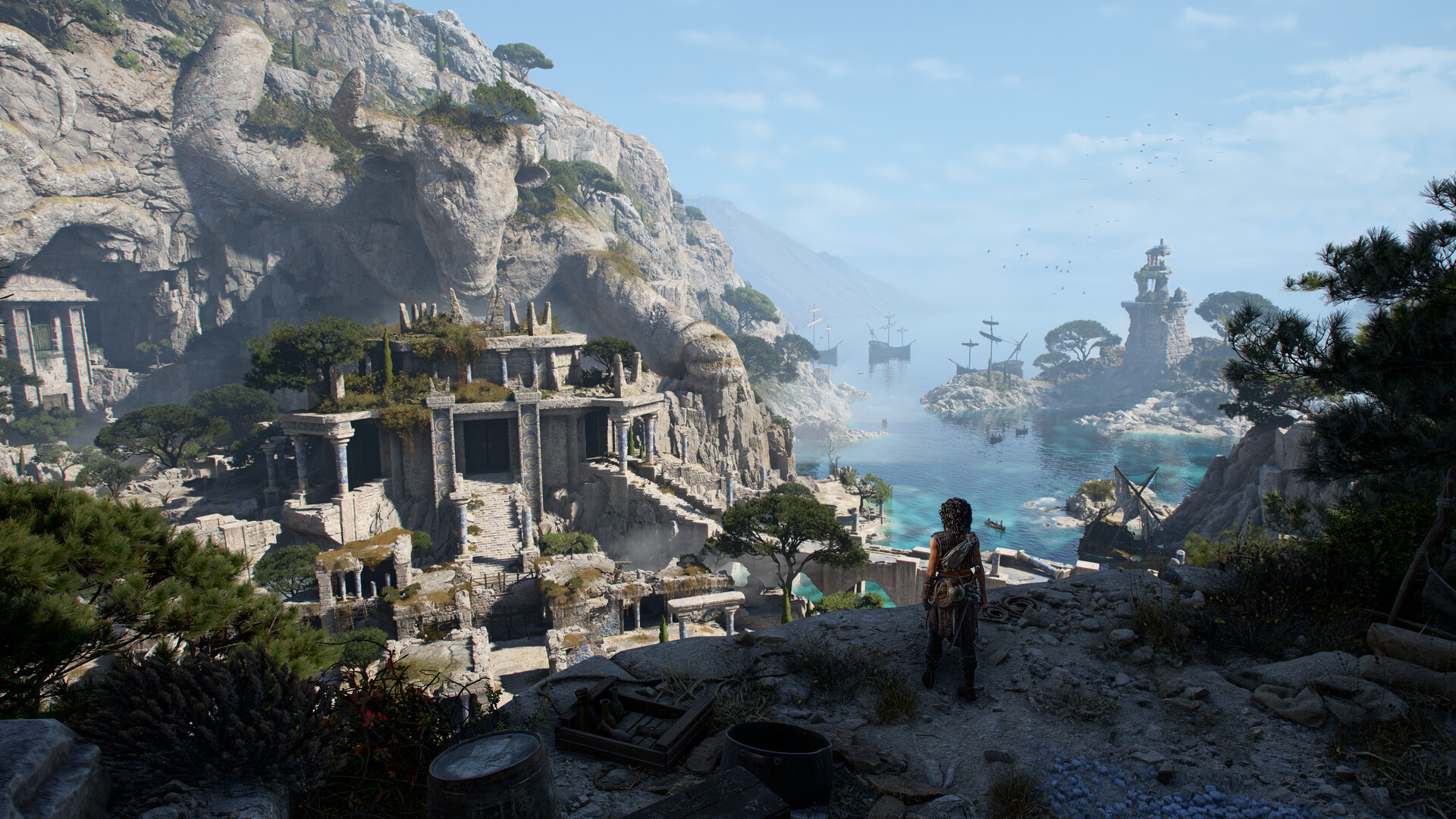
The clearest agreement is about presentation. PC Gamer praises the visuals even while finding the structure predictable. Multiplayer.it also treats the art direction as one of the game’s main strengths, while GamerSky highlights the same mix of scenery, lighting and atmosphere. Steam reviews say much the same thing. Even players who criticise the story or combat often praise the environments and music.
Resonance also wears its influences openly. Tomb Raider, Uncharted and Indiana Jones appear often in both professional reviews and Steam comments. The ruins, notebooks, climbing, light puzzles and treasure hunt all feel familiar. Skill Up makes this point clearly: many ideas have been seen before, but Asobo’s presentation and storytelling keep the adventure engaging. Several Steam reviews reach a similar conclusion.
The game stands out less because of one new mechanic and more because of its setting. Bright Mediterranean ruins, Minoan imagery and the later move underground give the journey a clear look and tone. This remains one of the strongest parts of Resonance even in reviews that are much less positive about the gameplay.
The mythology works better than some of the character drama
The story is well received overall, but not every part works equally well. Skill Up praises Sophia, the performances and the way the game rewrites the myth of Theseus for the A Plague Tale world. Inven also thinks the game keeps the emotional tone of the series even without its most famous elements.
IGN is less convinced by Sophia’s personal arc. It finds the ancient history and Theseus sections more interesting than the main character’s development, and it does not think the supporting cast fills the gap left by Amicia and Hugo. GameSpot likes the first half and the relationship between Sophia and Leni, but argues that this partnership matters more in cutscenes than in actual play. It also warns that the ending is much easier to understand if you already know the earlier games.
The full Steam corpus shows the same split. Many players say Sophia grew on them and praise the way the ending connects this prequel to the wider story. Others like the premise but think Leni, Faro and some of Sophia’s relationships needed more time. The mythology is widely praised; the character relationships are more uneven.
The new combat works, but it stays simple
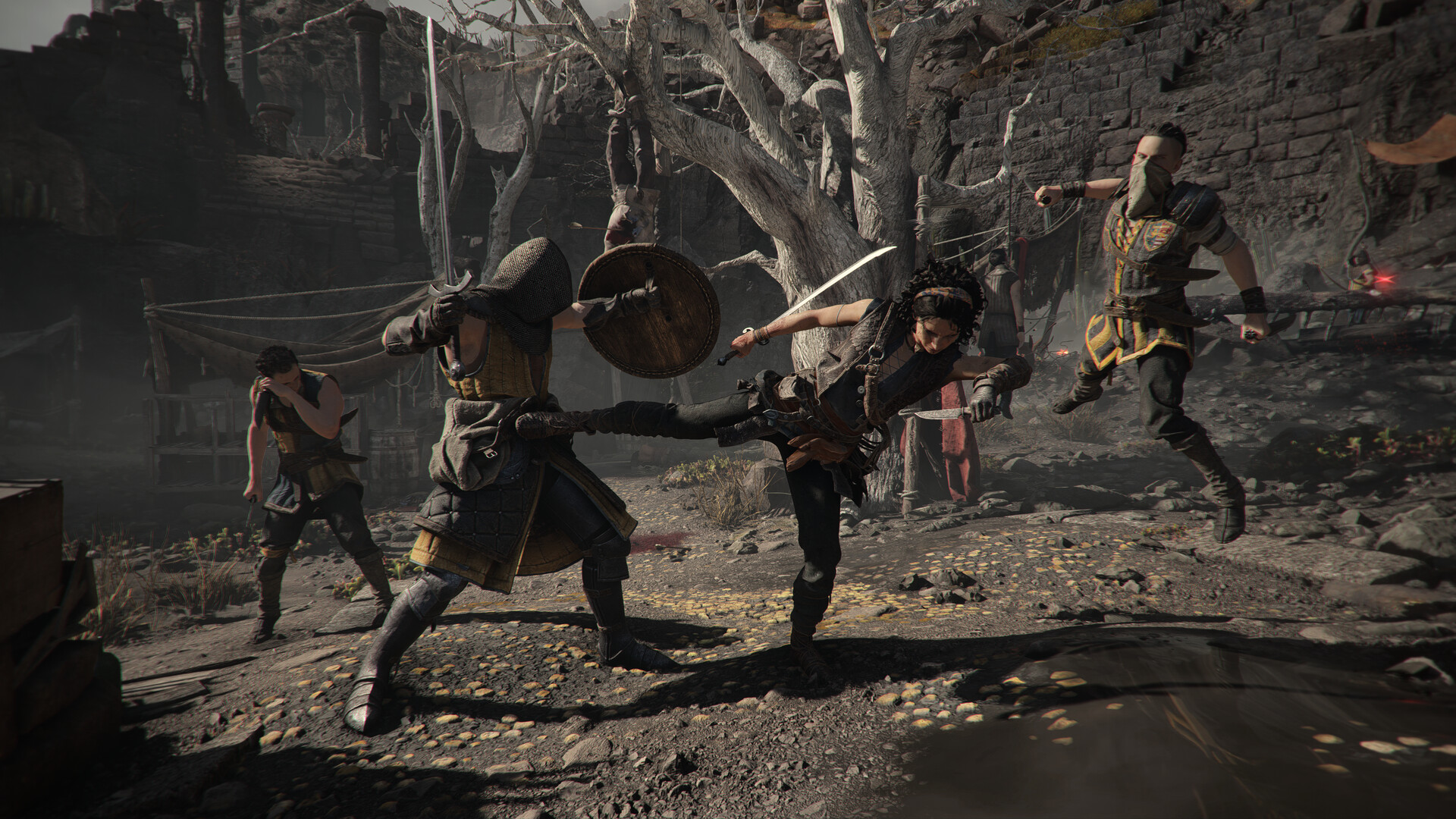
The biggest change is the move from avoiding enemies to fighting them directly. GamePro, Red Bull and Multiplayer.it think this change works. Parries, dodges, kicks and environmental kills make Sophia feel much more aggressive than the protagonists of the earlier games.
Other reviews see the same system very differently. IGN thinks the combat is too simple for the amount of time the game spends on it. GameSpot finds small fights enjoyable but says larger battles expose the lack of a hard lock-on. SpazioGames, Jeuxvideo.com and 3DM raise similar problems: limited enemy variety, simple tactics and controls that are not always precise enough.
The full Steam corpus is generally warmer on combat than the most negative professional reviews, but many positive players still mention the same problems: repeated encounters, a light skill tree and awkward targeting in groups. The disagreement is mostly about how much those limits matter.
The puzzles work for some players and tire others
The light puzzles create another clear split. Skill Up thinks the game changes their layout and use often enough to keep them fresh. GameSpot says they are rarely difficult, but they fit the idea of exploring and decoding an ancient civilisation. IGN is more critical and sees many of them as familiar mirror-and-light puzzles.
GRYOnline likes the environmental puzzles but finds the adventure increasingly narrow and linear. CD-Action also enjoys the general flow while noting repeated ideas. Steam reviews are just as divided. Some players like the pace and variety; others say there are simply too many puzzles, especially if they came to Resonance mainly for the new combat.
The upgrade systems do not change this much. Skills, swords, charms and collectibles give players reasons to look around, but both critics and Steam users often describe the choices as fairly light. Exploration is praised more for the scenery, lore and optional discoveries than for deep character building.
The darker second half feels closer to A Plague Tale
The game feels closest to the older A Plague Tale titles when Sophia meets a threat she cannot defeat with a sword. IGN finds these later stealth sections much more interesting than the regular combat arenas. GameSpot calls the creature one of the game’s most memorable ideas, while StopGame thinks the second half brings back more of the fear that defined the earlier games.
Steam reviews often say the same thing. Players mention the glowing tracks, the creature’s sound design and the darker underground areas as highlights. Some also think the chase and stealth sequences start to repeat, but these sections clearly change the mood: Sophia cannot simply fight her way through them and has to hide, move carefully and use light.
This helps explain why the lack of rats is not the biggest problem for most players. Some miss them, but many accept the new threat because it creates a similar sense of danger in a different way. The larger debate is whether the rest of the game still feels enough like A Plague Tale after making combat such a large part of the experience.
PC performance is often good, but stutter is still reported
PC performance varies a lot between reports. PCGamesN had serious performance problems, while Red Bull describes a stable playthrough. The full Steam corpus also contains both experiences. Many players report smooth performance and good optimisation, while others mention traversal stutter, crashes or shader-related hitches.
The issue should not be treated as solved. On 2 September, Asobo and Focus acknowledged reports about stuttering, shader compilation and other bugs and said they were investigating them. By 16 September, the official Steam feed did not show a later patch note confirming that those problems had been fully fixed. Performance is good for many players, but the remaining reports are still relevant.
Share of positive reviews. Only language groups with at least 100 reviews are shown, ordered by review count.
Steam total: 4,867 reviews through 16 September 2026, 92.9% positive. The qualitative analysis uses the full extracted corpus of 4,866 public reviews, ranked by helpfulness. Review language does not indicate a player’s nationality or location.