The week of September 21 to 27 brings together four releases with very different identities. Graveyard Keeper 2 returns to dark comedy, management, and automation in a medieval world facing a zombie apocalypse; CONTROL Resonant takes Remedy’s paranatural universe into a distorted Manhattan with Dylan Faden at its centre; SILENT HILL: Townfall turns the psychological horror series into a first-person journey across an isolated Scottish island; and Kalanoro closes the lineup with colorful action, music, platforming, and a world inspired by Madagascar’s folklore. Here are the four major releases worth watching over the next few days.
Graveyard Keeper 2
Graveyard Keeper 2 launches on September 22 for PC, PlayStation 5, Xbox Series X|S, Nintendo Switch, and Nintendo Switch 2. Lazy Bear Games is returning to its strange and macabre medieval world, but the graveyard keeper has moved up in life: the protagonist is now the Grand Inquisitor and has to deal with a full zombie apocalypse while still finding ways to turn every disaster into a profitable business opportunity.
Managing the graveyard remains one of the main pillars. Flora, fauna, and human remains can all become resources, while increasingly elaborate machinery helps expand operations and automate production. Zombies are not simply part of the setting either. Undead workers can handle much of the heavy lifting behind the scenes, keeping systems running while the player focuses on quests, expansion, and other problems around town.
The sequel also pushes beyond everyday management. The apocalypse forces the Grand Inquisitor to command an undead army, build towers and fortifications, craft weapons and armor, and train troops that may not always be especially intelligent. Management therefore feeds directly into combat and defense, with the survival of the town becoming another part of the wider production machine.
The town itself plays a bigger role as well. Residents need help rebuilding their homes and solving local problems, although Graveyard Keeper 2 keeps the series’ cynical sense of humor intact: helping people is also an opportunity to make money. Quests, reconstruction, and automation connect as undead workers turn local effort into something increasingly scalable and profitable.
The tone remains deliberately grotesque, mixing bizarre characters, questionable decisions, and twisted comedy with crafting and management systems. For players who enjoyed the original because it could turn even the most mundane medieval job into something unethical and absurd, the sequel looks designed to increase both the scale and chaos without losing the personality that made its cemetery business memorable.
CONTROL Resonant
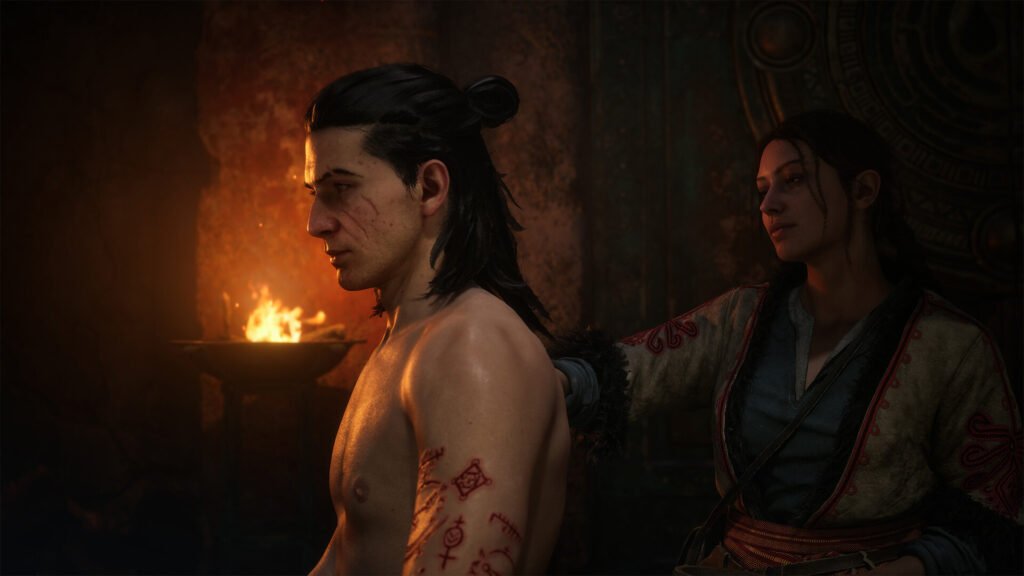
CONTROL Resonant launches on September 24 for PC, Mac, PlayStation 5, and Xbox Series X|S. Remedy Entertainment is moving the paranatural crisis beyond the enclosed Oldest House and into a distorted Manhattan, while Dylan Faden replaces Jesse as the central protagonist. This larger setting is not presented as a conventional open world: separate zones use verticality, gravity, and impossible architecture to make traversal and combat part of the same supernatural puzzle.
The biggest mechanical change is the move toward close-range action. Dylan uses the shape-changing Aberrant alongside telekinesis, shields, summons, supernatural projectiles, aerial movement, and other abilities. Weapon forms, powers, and builds gradually expand, giving players more ways to connect melee attacks, abilities, Falter states, and executions as the campaign develops.
The international reviews are already available, making Resonant unusual among next week’s releases. Playority’s analysis of the international press reviews compares 17 professional reviews without reducing them to an average score. The strongest agreement concerns Manhattan, art direction, vertical level design, and movement: even more cautious critics generally see the world as a successful expansion of Control rather than a larger but less distinctive version of it.
Combat is where opinions diverge. Some reviewers describe the combination of Aberrant forms, supernatural powers, movement, and buildcrafting as some of Remedy’s deepest action design. Others point to repeated encounters, limited enemy variety, uneven impact, and battles that can become exhausting despite the number of tools available to Dylan.
Progression helps explain that split. Several reviews become noticeably more positive after many hours, once movement options, upgrades, resources, and combat synergies begin to work together. That leaves CONTROL Resonant with one widely recognised strength before launch—its strange, ambitious Manhattan—and a more complicated question surrounding whether enemy and encounter design can sustain the depth of Dylan’s toolkit across the whole campaign.
SILENT HILL: Townfall
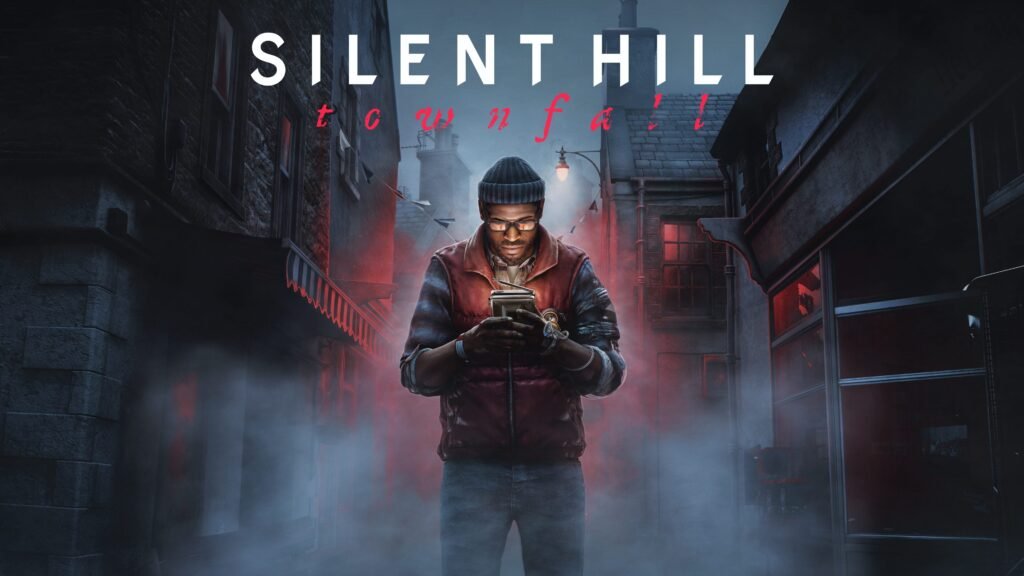
SILENT HILL: Townfall launches on September 24 for PC and PlayStation 5. Developed by Screen Burn and published by Konami, this new entry takes the series in a noticeably different direction: it is a full-length psychological horror game experienced entirely in first person and set on the isolated Scottish island of St. Amelia in 1996. Simon Ordell is called back to the island to “put things right,” only to find a town sitting silently beneath heavy fog, abandoned but clearly not at peace.
The mystery quickly becomes personal. Simon explores St. Amelia to understand his connection to the place and the people who once lived there, while fragments of buried history gradually rise back to the surface. Townfall focuses on introspection, loss, and consequences, allowing fear to grow from both supernatural threats and the unresolved weight of Simon’s past.
The first-person perspective also changes the relationship with danger. Weapons and tools are limited, and players can decide whether to engage directly, block and counter with melee weapons, use firearms from a safer distance, or avoid enemies altogether. Stealth provides another option, with threats tracked from cover and distractions used to pull creatures away from a chosen route.
One of Townfall’s defining tools is the CRTV, a portable television that reinterprets the traditional Silent Hill radio. Tuning into unstable analog signals can reveal nearby threats, fragments of story, and mysterious clues. Those signals feed into narrative puzzles that can expose past events and glimpses of everyday life in St. Amelia, making the device part of both survival and storytelling.
Player actions can also lead to multiple endings. Sound is equally central to the horror, with creaks, signals, and distant cries bringing threats closer before they are necessarily visible. Pilotpriest’s fully dynamic soundtrack reacts to exploration, stealth, and combat, helping Townfall use its first-person viewpoint to create a more intimate and immediate version of Silent Hill’s psychological horror.
Kalanoro
Kalanoro launches on September 24 for PC, PlayStation 5, Xbox Series X|S, and Nintendo Switch. Developed by Red Raketa Studio and published by New Tales, the action adventure takes inspiration from Madagascar’s folklore and uses that foundation for a colorful mixture of fast combat, platforming, music, and band management. Its world may look playful, but the journey begins with an island already trapped under the rule of a powerful witch.
Lemuria was once a paradise, but Raneny now controls its people. After years of exploitation, the witch decides to stage a huge concert featuring the island’s most famous band. Fighting back requires more than simply defeating her minions: the protagonist must rally legendary musicians, create a band, and build enough popularity among the population to challenge the system surrounding Raneny.
Combat is deliberately eccentric. Hair-based powers sit alongside improvised weapons—including slippers—while major confrontations lead into large, energetic boss battles. Exploration moves through several different biomes across Lemuria, with fights interrupted by platforming sequences and industrial traps that demand fast movement and careful timing.
Rescuing locals also supports the musical side of the adventure. Eccentric lemur artists can join the growing crew, gradually creating a band capable of performing on larger stages as its reputation increases. A tour bus connects the journey and comes with its own minigames, adding another activity between exploration, combat, and the search for new musicians.
Kalanoro therefore has one of the most unusual identities among the week’s larger releases. Its story of freeing an island is expressed through concerts, community building, fast action, and a playful approach to weaponry rather than conventional fantasy heroics. Madagascar-inspired folklore provides the visual and narrative foundation, while the search for performers gives progression a simple goal: assemble Lemuria’s number-one band, earn the support of its people, and eventually become strong and popular enough to confront Raneny herself.